
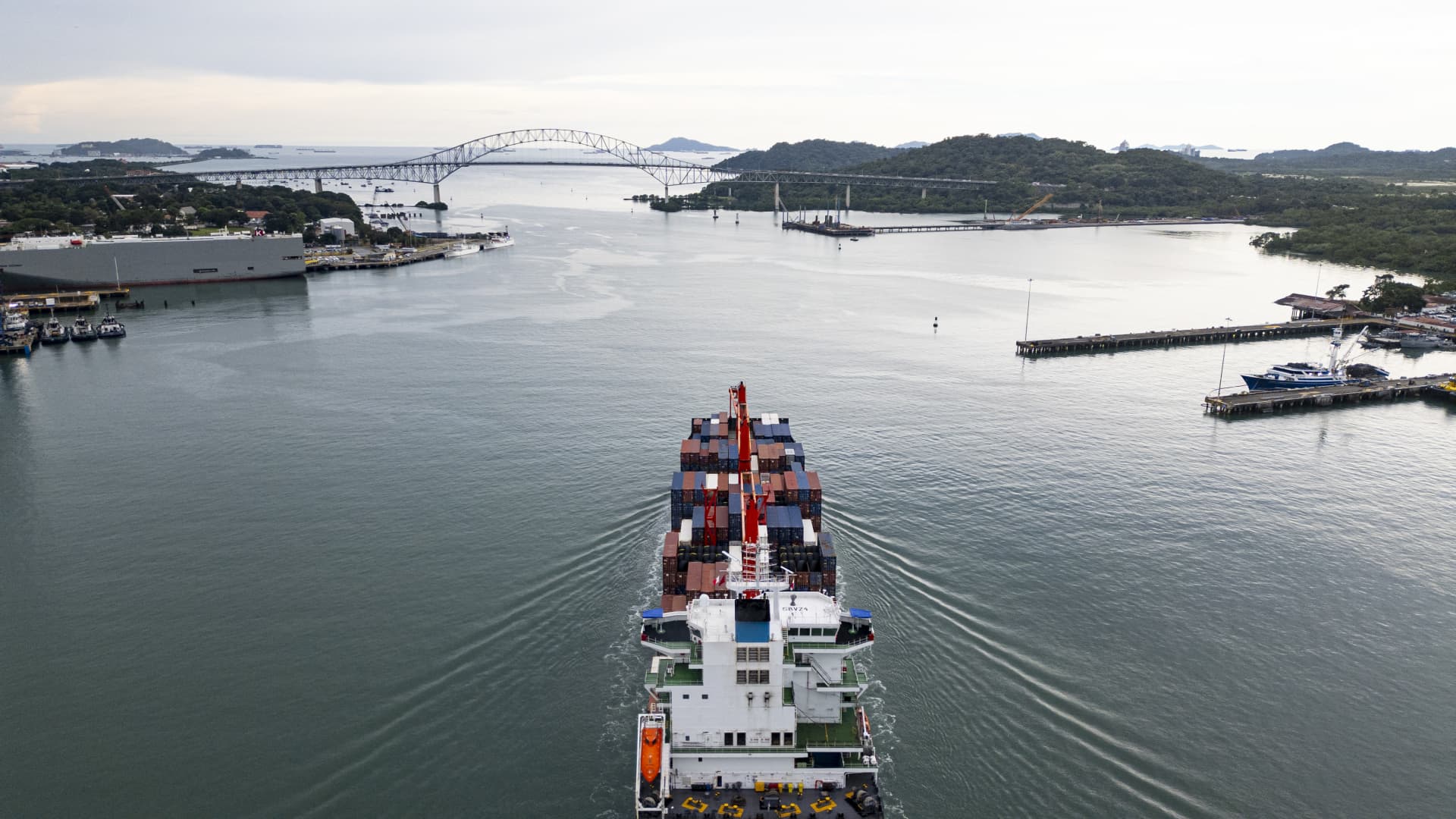
The Panamanian government has formalized the state takeover of two critical port concessions—Balboa (Pacific) and Cristobal (Atlantic)—located at the Panama Canal entrances. This decisive action follows the Supreme Court’s definitive ruling declaring the existing concessions granted to Panama Port Company (PPC), a subsidiary of Hong Kong-based CK Hutchison, unconstitutional.
Formalized via an official gazette decree, the action mandates an immediate operational transfer. Interim management of these vital infrastructure assets is assigned to global shipping leaders A.P. Moller-Maersk and Mediterranean Shipping Co. (MSC).
The decree authorizes the Panama Maritime Authority (AMP) to occupy all facilities, encompassing specialized physical assets (cranes, vehicle fleets) and proprietary digital infrastructure, including operational IT systems and software licenses.
Strategic Operational Recalibration at Global Chokepoint
The primary consequence is the immediate operational partition of the Canal’s gateway infrastructure between the world’s two largest container carriers. APM Terminals (Maersk’s unit) assumes interim control of Balboa, while MSC’s subsidiary, Terminal Investment, manages Cristobal.
This interim arrangement is time-bound, structured for an eighteen-month duration, during which a legally robust, new concession framework must be defined and awarded. This places intense administrative pressure on Panamanian bodies to execute a rapid, transparent procurement process.
Financial Fallout for CK Hutchison
For CK Hutchison, the loss of control over concessions held for over two decades signifies a major divestiture of strategic assets tied directly to global maritime trade flows. The market registered this impact immediately, evidenced by a 0.9% decline in its shares at Tuesday’s open.
The operator confirmed the cessation of activities following the government’s physical assumption of control, noting compliance was enforced under threat of criminal prosecution, underscoring the executive nature of the seizure.
This severance compels CK Hutchison to restructure its regional logistics portfolio, potentially leading to asset write-downs related to the uncompensated forced transfer of operational hardware and proprietary software.
Assertion of Sovereign Authority Amidst Geopolitical Context
The dispute occurs within a broader geopolitical framework referencing prior U.S. administration concerns regarding Chinese influence over critical infrastructure. Panama’s move repositions the nation centrally within the strategic rivalry between Washington and Beijing.
The decision to reclaim direct administrative control, even temporarily, serves as a definitive assertion of sovereign authority over infrastructure deemed critical to national security and international commerce, superseding incumbent contractual agreements.
The government invoked “reasons of urgent social interest,” a legal mechanism used to bypass standard contractual dispute resolution timelines, thereby accelerating the transfer of physical and digital assets via executive decree.
Impact on Shipping Alliances and Competitive Dynamics
The immediate management transfer to Maersk and MSC fundamentally alters competitive dynamics at both termini, favoring the integrated network efficiencies of the two dominant carriers. They gain enhanced, temporary operational influence over throughput scheduling and service integration at both access points.
Rival operators dependent on third-party access at these specific locations face immediate uncertainty regarding future tariff structures and service level agreements under the interim management.
Regulatory Precedent and Future Concession Strategy
The Supreme Court’s ruling sets a significant regulatory precedent regarding the constitutional validity of long-term infrastructure contracts awarded decades ago, potentially opening avenues for review of other existing Panamanian state asset concessions.
The administrative challenge pivots on designing a new concession framework that satisfies complex domestic constitutional requirements—addressing the precise legal flaws identified—while meeting international standards to attract top-tier bidders.
The aggressive eighteen-month timeline for re-awarding the concession signals the government’s priority: maintaining the efficiency of global supply chains dependent on the Canal by minimizing perceived operational uncertainty.
Complexity of Digital Asset Transfer
The specific inclusion of seized computer systems and software highlights the intricate nature of the transfer, moving beyond physical assets to encompass proprietary Operational Technology (OT) governing crane scheduling and yard management.
Ensuring seamless handover and integration of these digital assets without data corruption represents a high-risk administrative task for the AMP during the occupation phase. Operational success hinges on the capacity of Maersk/MSC teams to stabilize and optimize systems previously managed under the PPC structure.
Investment Climate and Stakeholder Obligations
Market reaction to CK Hutchison’s stock decline reflects investor apprehension regarding expropriation risk following a judicial declaration, even when presented as a constitutional remedy. This introduces a tangible risk premium for foreign direct investment in Panamanian infrastructure.
Conversely, the swift governmental assumption of control, paired with the immediate appointment of established global operators (Maersk/MSC), signals commitment to protecting the Canal’s core function, potentially stabilizing user confidence in transit operations.
The decree imposes an immediate legal constraint on PPC regarding the surrender of control, impacting its leverage in future asset valuation or compensation negotiations. The AMP’s transition to direct operational oversight requires rapid mobilization to manage complex labor relations and security protocols previously delegated to the concessionaire.
Future Concession Structuring Imperatives
The mandate for a new tender within eighteen months implies a fundamental legal and economic reassessment of future port operations, likely incorporating stricter performance metrics and potentially shorter terms to mitigate future constitutional vulnerability.
The specific grounds for invalidating the prior deal will dictate the drafting of new tender documents, necessitating meticulous legal structuring to ensure long-term enforceability against future domestic challenges.
This episode powerfully illustrates the tension between managing globally critical infrastructure and evolving domestic constitutional interpretations. The operational handover prioritizes immediate commerce flow over protracted negotiation with the terminated operator, setting the stage for complex compensation litigation.
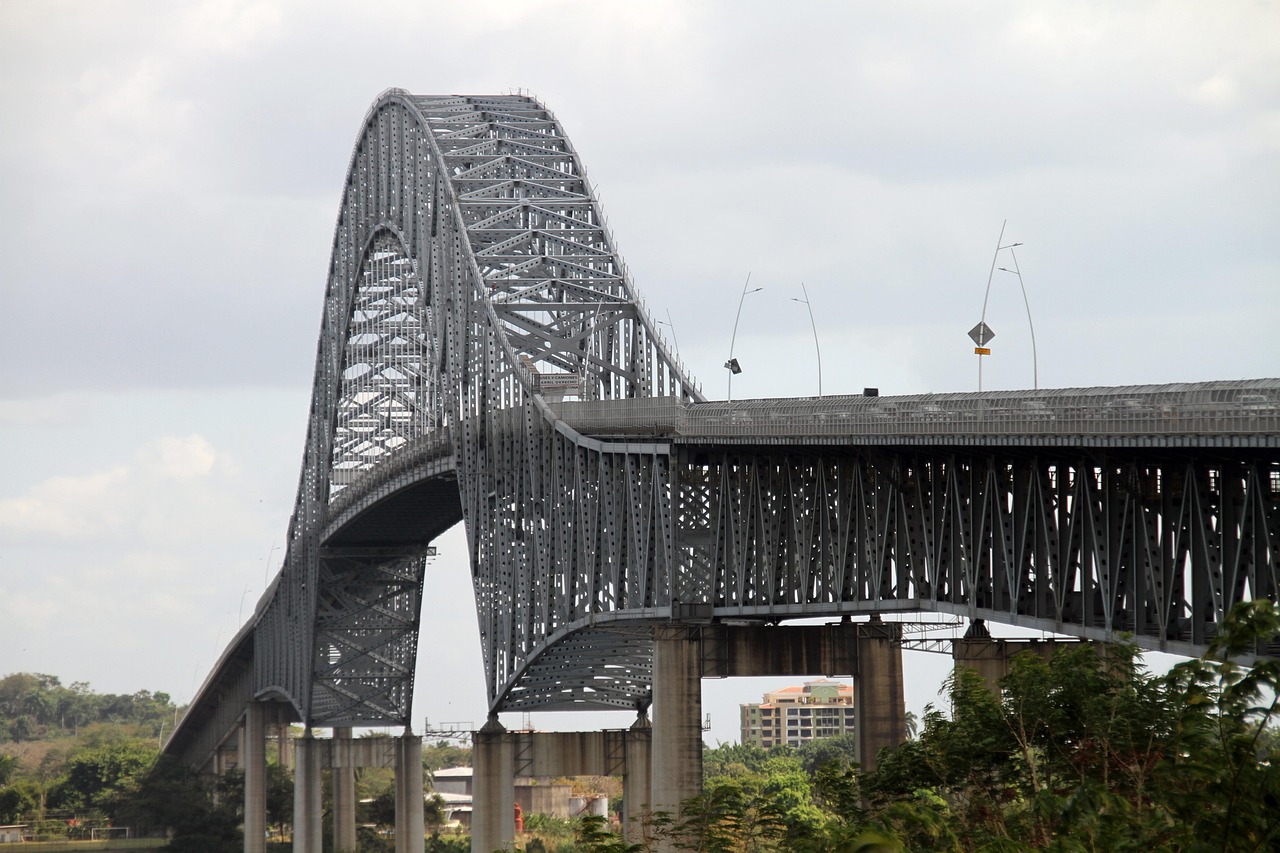
Photo by MonicaVolpin on Pixabay.