
The formalization of dress codes across high-tier restaurant portfolios represents a strategic pivot toward safeguarding atmospheric equity. As the broader hospitality market experiences increasing casualization, institutional operators like Darden Restaurants and Ruth’s Chris Steak House are codifying attire requirements to maintain a structural distinction between premium and casual assets. This maneuver is not merely aesthetic; it is a defensive mechanism designed to justify the higher price points intrinsic to the upscale dining experience.
Strategic Brand Segmentation and Environmental Control
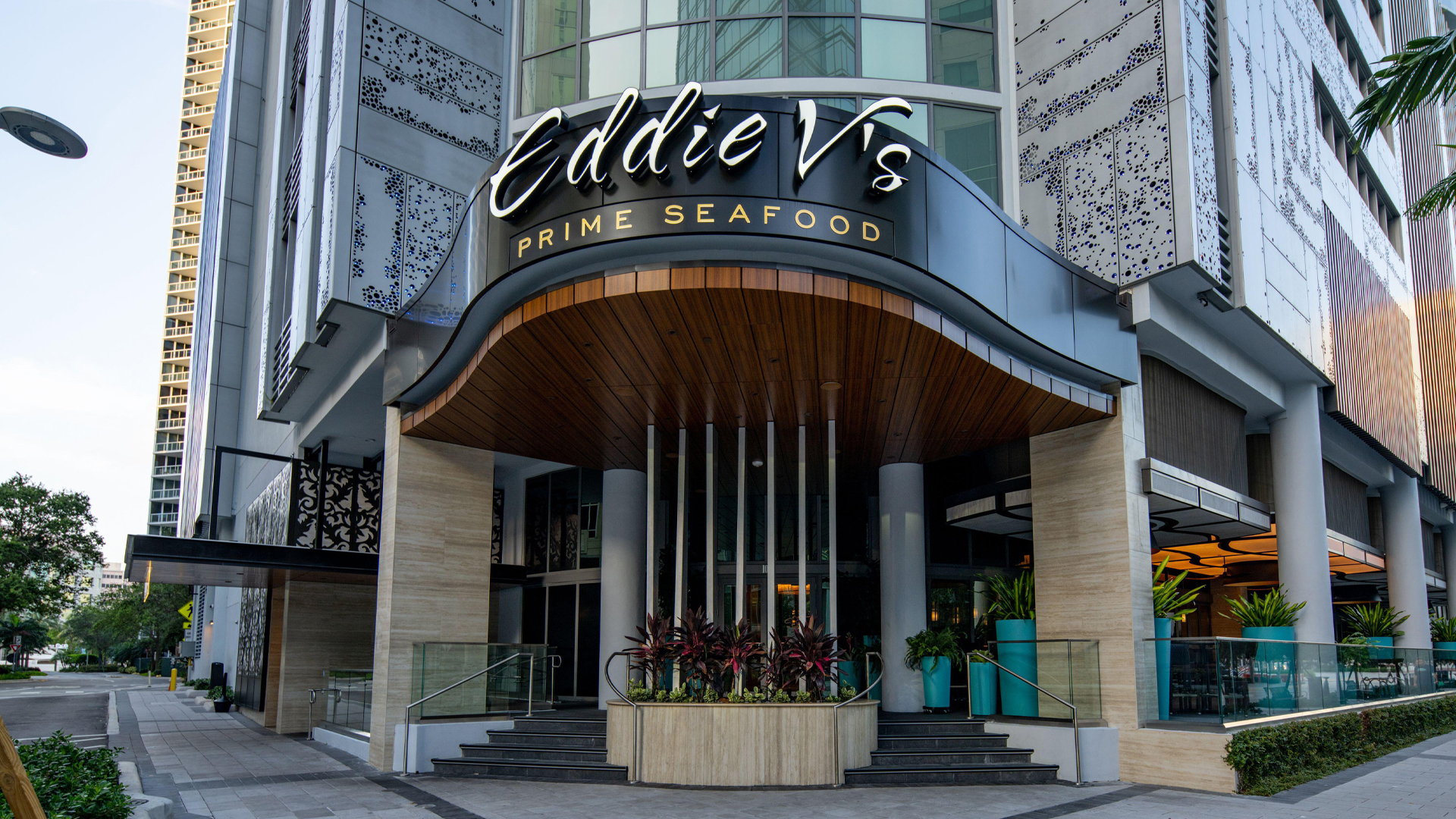
Darden Restaurants leverages its Eddie V’s Prime Seafood brand to capture high-margin segments, where the environment is as much a product as the cuisine. The enforcement of strict attire standards at Eddie V’s 31 locations is a calculated effort to preserve an ‘elegant atmosphere’—a non-monetary barrier to entry that differentiates the brand from more accessible sister chains. By mandating ‘business casual’ or ‘resort evening wear,’ the organization establishes a socioeconomic benchmark, ensuring the sensory environment remains consistent with its premium market positioning.
This level of environmental management is essential for maintaining ‘destination’ status. When a brand explicitly prohibits athletic shorts or exposed undergarments, it exercises control over the visual and sensory landscape. For high-net-worth and corporate clientele, this consistency mitigates the risk of brand dilution and ensures the establishment remains a viable venue for high-stakes professional and social engagements.
The Reservation Clause: Prioritizing Equity Over Liquidity
A critical operational shift is the stipulation that dress codes apply regardless of reservation status. This clause empowers management to deny service based on attire, prioritizing long-term brand integrity over immediate transactional revenue. In high-stakes hospitality, this represents a strategic trade-off: the preservation of the restaurant’s reputation for exclusivity outweighs the short-term loss of a single party’s check. To minimize staff friction and subjective enforcement, corporate offices have provided frameworks targeting specific items such as athletic wear and ‘excessively revealing’ clothing.
Sensory Economics and Risk Mitigation
The inclusion of ‘offensive odors’ and ‘offensive imagery’ in updated policies highlights a trend toward comprehensive sensory management. In fine dining, the olfactory environment is paramount; disruptive scents can directly degrade the perceived quality of the product. By codifying these prohibitions, institutions acknowledge that the physical presence of one guest can negatively impact the value proposition for others. Similarly, banning controversial language serves as a risk-mitigation strategy, positioning these restaurants as neutral sanctuaries from external social or political friction.
Economic Implications of the Experiential Premium
The financial viability of upscale chains is inextricably linked to their ability to command a premium. Dress codes act as a psychological anchor, elevating guest expectations of service and quality. This alignment attracts a demographic prone to high-margin behaviors, such as premium wine consumption and multi-course ordering. By filtering for consumer intent through ‘business casual’ requirements, brands like Ruth’s Chris effectively optimize their guest mix for maximum yield management.
Sector-Wide Continuity and Future Trends
The broader trend—seen in policy updates from high-volume groups like The Cheesecake Factory—suggests a sector-wide recognition of the need for clearer environmental boundaries. While the severity of requirements varies, the underlying logic is uniform: the management of physical space is a primary operational priority. As guests are increasingly viewed as participants in a brand’s atmospheric production, the success of these policies will depend on the balance between rigorous enforcement and the high-touch hospitality expected at these price points.
Conclusion
The enforcement of dress codes at Ruth’s Chris and Eddie V’s is a sophisticated response to the evolving hospitality landscape. By formalizing these standards, restaurant groups are protecting their brand equity and ensuring that the ‘fine dining’ category remains a distinct, high-value asset in the modern economy.

Photo by MatteoPhotoPro2020 on Pixabay.