Strategic Deployment of Marvel IP in the Competitive Sector
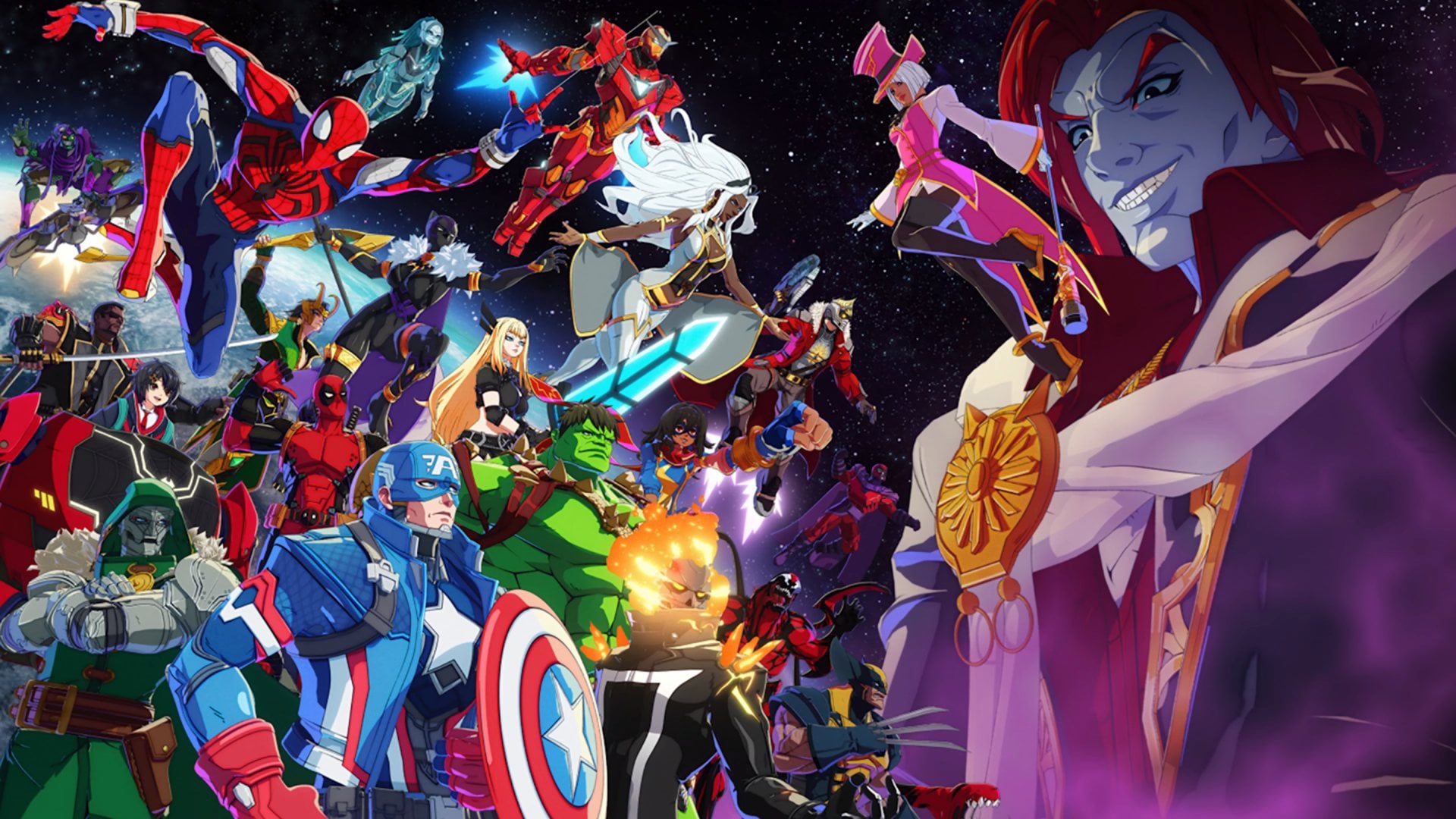
The San Diego Comic-Con unveiling of Marvel Tōkon: Fighting Souls signals a paradigm shift for Marvel intellectual property within the fighting game community (FGC). Producer Takeshi Yamanaka’s roadmap, extending through 2026, transitions away from cinematic uniformity toward a specialized, long-term live-service model developed by Arc System Works and Sony Interactive Entertainment.
Mechanical Disruption: The Phoenix Cyclops DLC
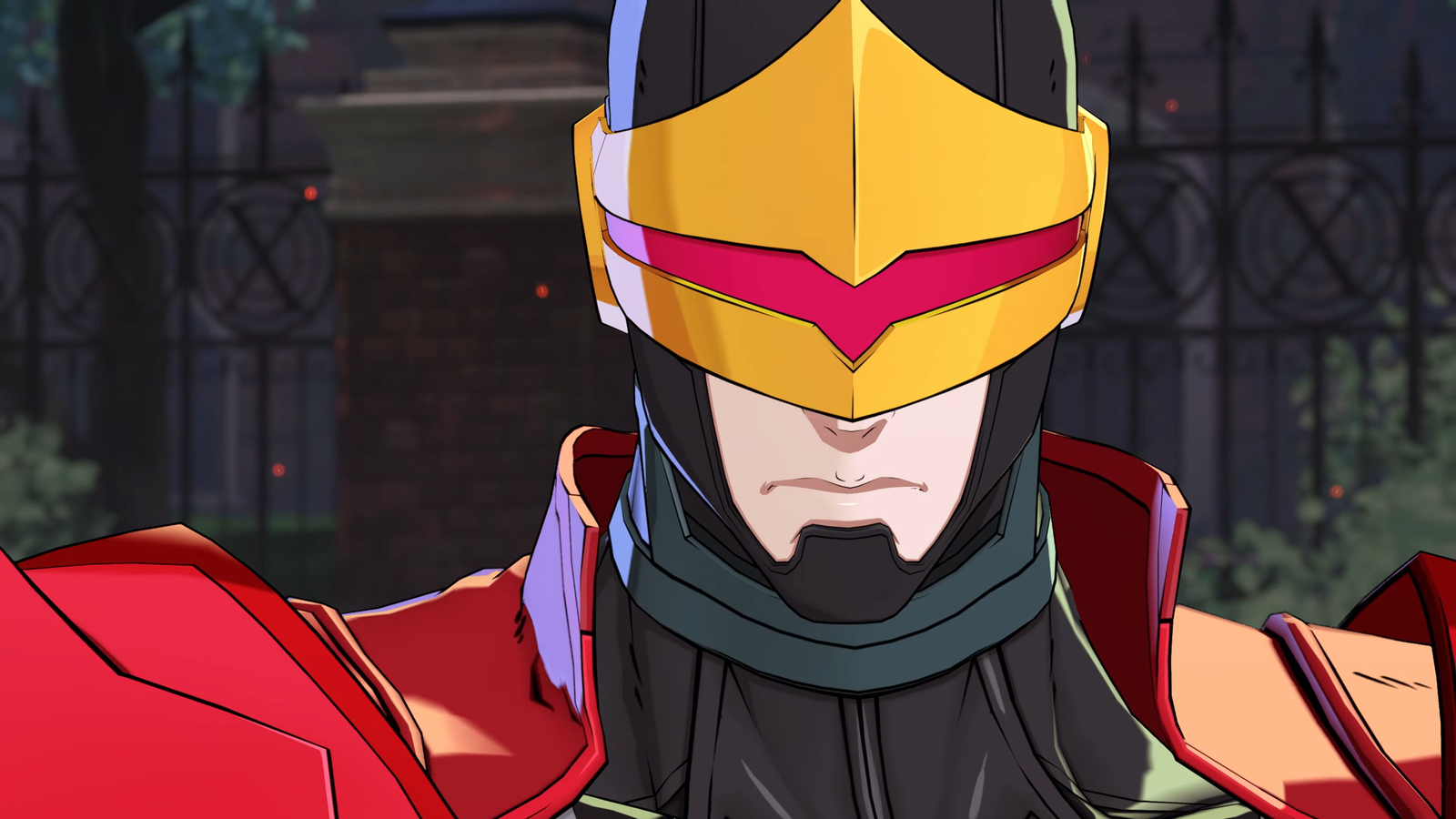
Positioning Phoenix Cyclops as the inaugural Year 1 DLC character represents a calculated decision to prioritize comic-accurate deep lore over Marvel Cinematic Universe (MCU) aesthetics. Utilizing the Avengers vs. X-Men narrative framework, this iteration of Scott Summers introduces high-heat mechanics that disrupt traditional projectile-based archetypes. By merging optic-blast zoning with aggressive Phoenix Force-driven rushdown capabilities, the developers are forcing an early evolution in the competitive meta.
Aesthetic Engineering: Sanzigen’s 3D Cel-Shading
The stylistic pivot toward a shonen-inspired aesthetic, executed by Sanzigen Studio, addresses growing market fatigue regarding photorealistic superhero visuals. Leveraging the technical expertise seen in Guilty Gear -Strive-, Sanzigen utilizes advanced 3D cel-shading to achieve kinetic fluidity. This visual identity, paired with the rock anthem ‘Stronger As One,’ optimizes the title for the digital marketplace by offering a high-contrast alternative to contemporary hero shooters.
Operational Integrity and Ecosystem Sustainability
The upcoming public beta on PC and PlayStation 5 serves as the critical technical validation for the game’s infrastructure. To secure institutional credibility within the FGC, the title must maintain a 60-frames-per-second baseline despite the complex visual effects associated with cosmic-tier abilities. This technical rigor is essential for fostering a professional tournament ecosystem. Furthermore, centering the narrative on the Champion of the Universe provides a thematic bridge between martial supremacy and gameplay mechanics, ensuring narrative cohesion without relying on overexposed plot devices like the Infinity Stones.
Market Competitiveness and Stakeholder Impact
Marvel Tōkon distinguishes itself from titles like Marvel Rivals by doubling down on the 2.5D technical fighter format. The strategic alliance between Sony and Arc System Works provides a significant competitive advantage in visibility and platform integration. For stakeholders, the multi-year content plan is a KPI-driven strategy designed to maximize player retention and monetization through seasonal updates, ensuring the title remains a cornerstone of the genre through its 2026 lifecycle.