The Structural Crisis of the Mariners Offense
The Seattle Mariners have opened the season facing an acute operational bottleneck, recording a 4-9 start that places them at the bottom of the American League. This performance defies organizational projections, particularly as the roster retains the core framework that competed for a postseason berth in previous cycles.
The primary driver of this stagnation is a systemic collapse in offensive efficiency, marked by a league-worst .581 OPS. This metric, trailing the next least productive offense by 25 points, signals a fundamental misalignment in plate approach, manifesting as a collective regression that threatens the team’s entire competitive trajectory.
Individual Performance Volatility and Lineup Anchors
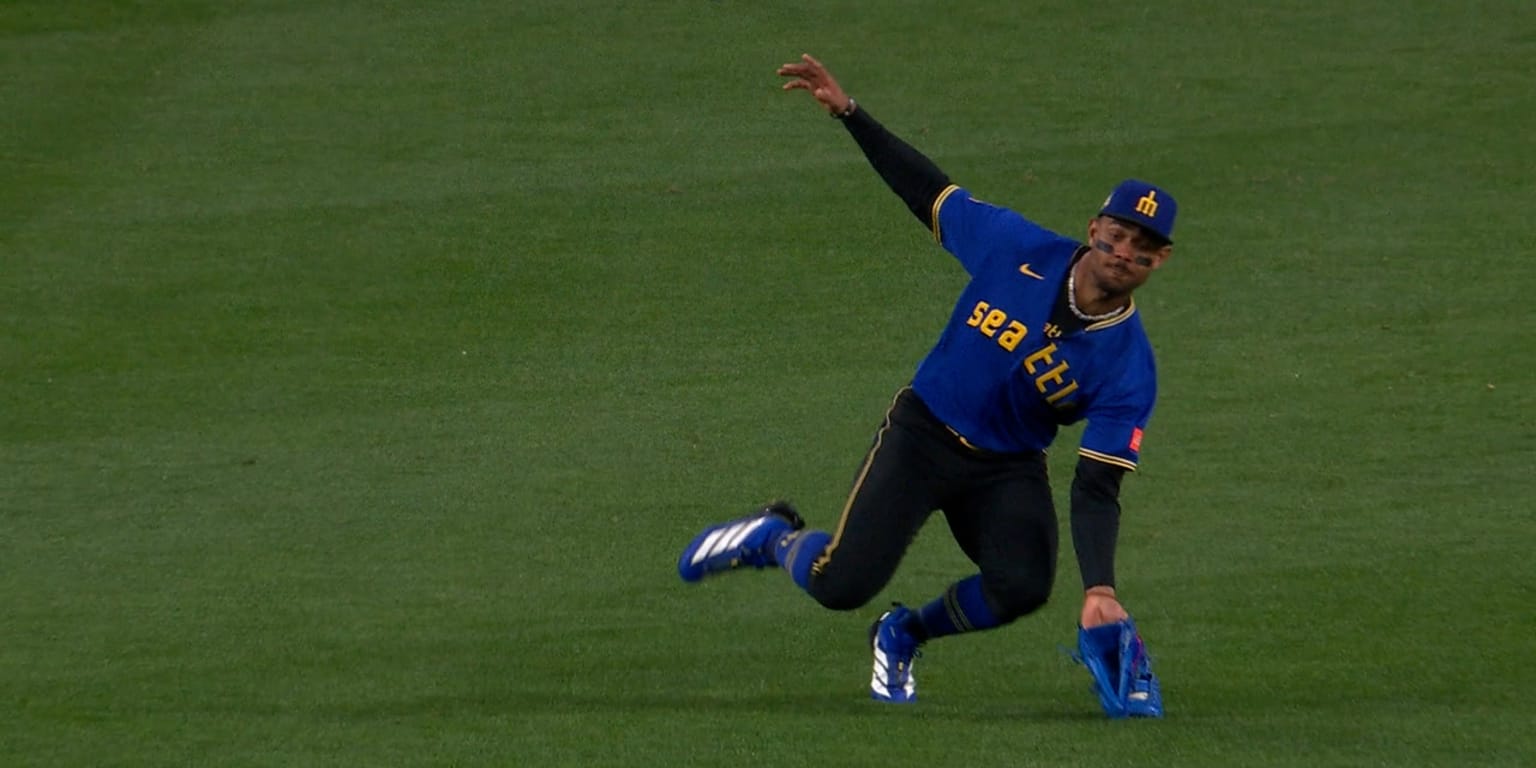
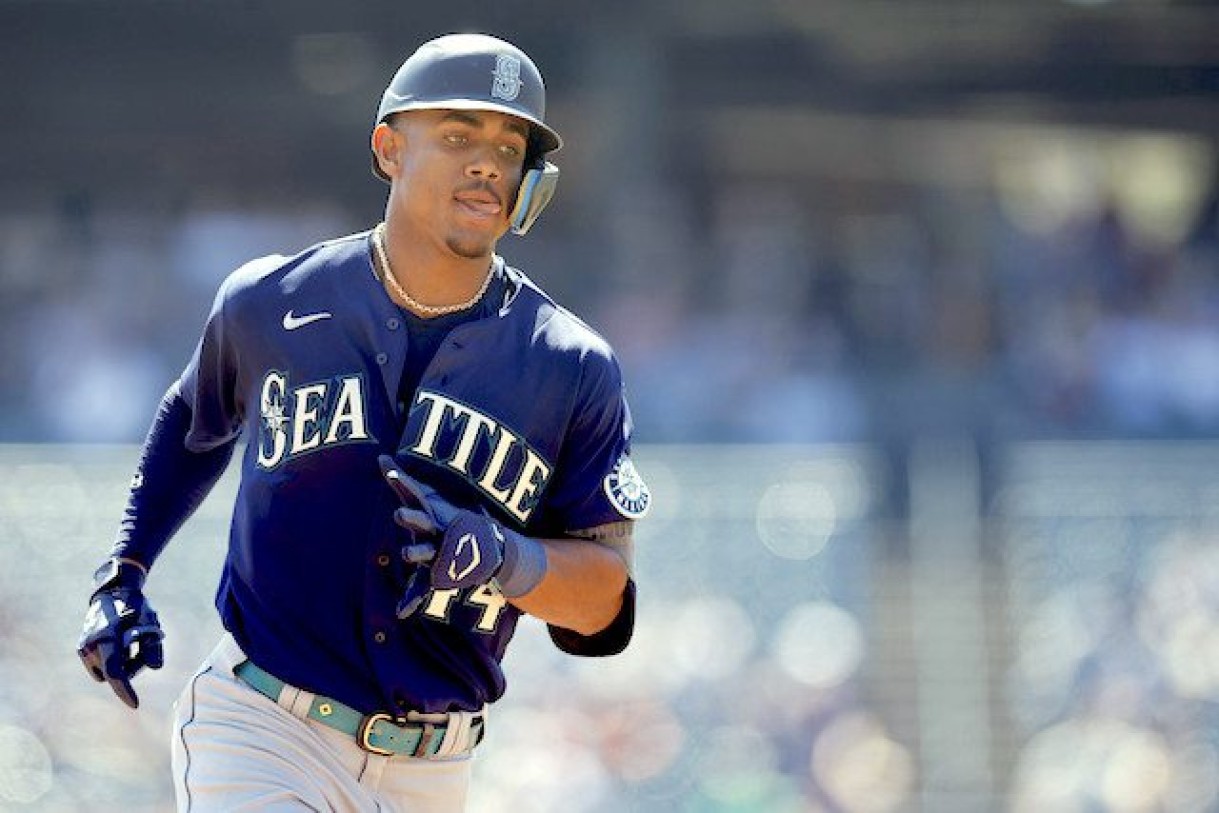
Julio Rodríguez remains the focal point of this slump. His role as the team’s primary offensive catalyst makes his current lack of extra-base production a critical vulnerability. With seven singles and 16 strikeouts in 49 at-bats, Rodríguez’s inability to drive the ball mirrors the struggles of other lineup anchors, including Cal Raleigh.
Statistical evaluation reveals these players currently rank among the 30 least valuable hitters in Major League Baseball by batting run value. This widespread negative run production correlates directly with the team’s inability to manufacture consistent scoring opportunities, placing unsustainable pressure on the starting rotation and bullpen.
Operational Constraints and Data-Driven Risks
A team-wide .184 batting average coupled with a 27.6 percent strikeout rate suggests a structural failure beyond individual fatigue. For stakeholders and analysts, this data represents a complex environment: while historical trends show Rodríguez frequently elevates his production in the second half of the season, the immediate competitive deficit leaves little room for a protracted adjustment period.
Historical Context and Performance Baselines
Analysis of Rodríguez’s career since his 2022 debut highlights a cyclical pattern of first-half volatility. For example, in 2023, his slash line transitioned from .252/.313/.417 in the first half to .290/.341/.560 in the second. While these figures suggest the current downturn could be an outlier, the team’s current win-loss record precludes a reliance on long-term statistical correction as a sufficient strategy.
Organizational Outlook
The Mariners’ position in the American League standings necessitates an immediate re-evaluation of offensive philosophy and personnel utilization. The fragility of relying on a concentrated core becomes evident when simultaneous performance drops occur; the entire organizational strategy—predicated on elite production from these specific assets—risks becoming compromised.
Ultimately, the Mariners must stabilize their offensive output to prevent the current statistical anomaly from evolving into a season-defining setback. The focus remains on whether these hitters can revert to their established performance baselines before the competitive gap renders the season’s objectives unattainable.