FC Juárez’s Apertura 2026 Crisis: Lema’s Debut Amidst Record Losing Streak
FC Juárez, affectionately known as Bravos, confronts an existential challenge in the Liga MX Apertura 2026 tournament. Mired in an unprecedented six-match losing streak, the club languishes at the bottom of the league standings, necessitating immediate and decisive strategic intervention. This operational downturn is starkly illustrated by their defensive frailties, having conceded a league-worst 19 goals across their initial six fixtures. Such a metric underscores systemic issues within the team’s tactical structure and player cohesion, exerting immense pressure on both the coaching staff and management to instigate an urgent competitive recovery.
Strategic Leadership Transition: Gustavo Lema’s Urgent Mandate
In a direct response to the escalating performance crisis, FC Juárez has enacted a significant leadership transition, appointing Gustavo Lema as its new head coach. Lema’s debut on the bench against Pachuca marks a pivotal strategic pivot, aiming not only to revitalize team morale but also to instigate a fundamental shift in on-field dynamics. The timing of this mid-season coaching change, amidst a profound losing streak, underscores the perceived urgency by club ownership to safeguard competitive viability—a common institutional response in professional football to leverage a new voice for immediate tactical and motivational impact.
Beyond the technical staff, operational adjustments extend to fan engagement. The club has implemented a ticket rebate strategy for the upcoming match, a financial maneuver designed to stimulate attendance and maintain crucial supporter engagement. This initiative balances the short-term revenue implications with the long-term imperative of cultivating a loyal fan base, acknowledging the need to incentivize presence amidst disappointing results.
Pachuca’s Mixed Fortunes: Rondón’s Lone Brilliance
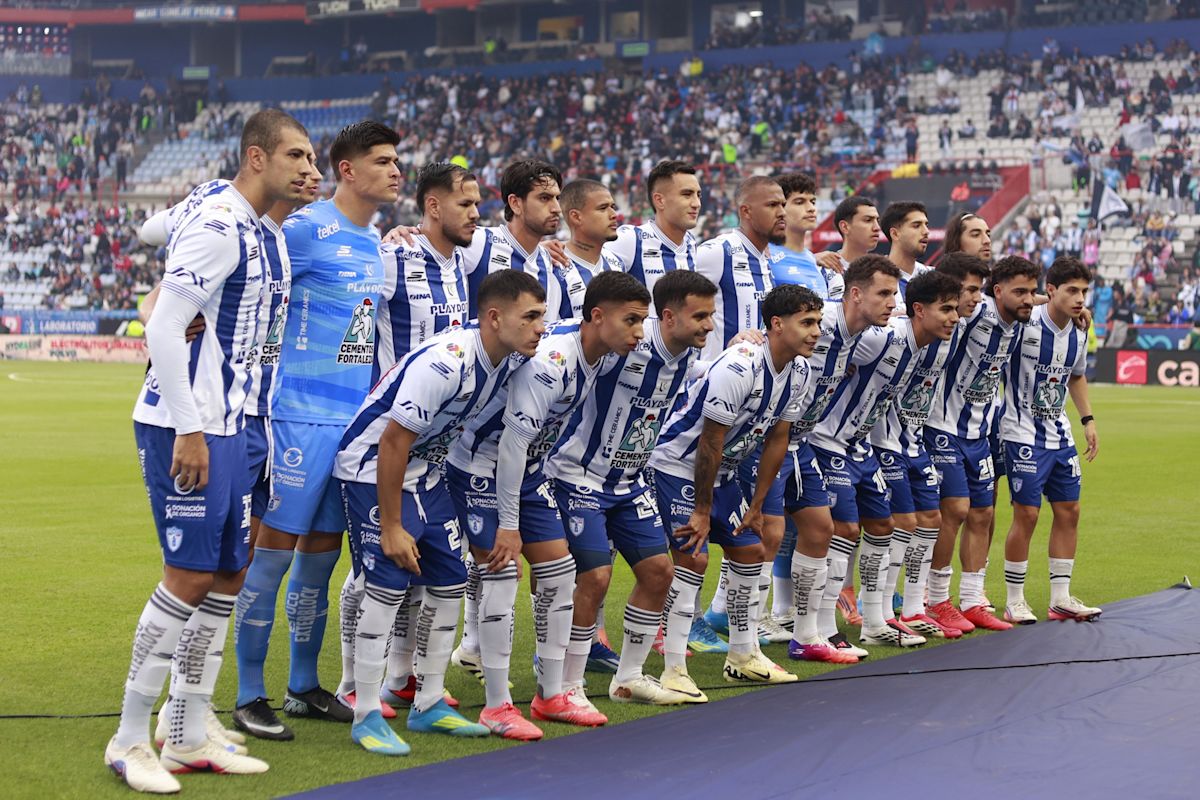
Pachuca, known as Tuzos, approaches this fixture also under considerable pressure, having secured a modest five points from six matches, placing them 15th in the general table. While not as dire as Juárez’s predicament, this performance trajectory falls short of competitive expectations for a club typically contending for higher league positions. However, a critical competitive advantage for Pachuca lies in the exceptional individual performance of Venezuelan striker Salomón Rondón. At nearly 37, Rondón remarkably leads the championship’s scoring charts with six goals in as many appearances, showcasing extraordinary athletic longevity and offensive prowess.
Rondón’s consistent goal-scoring effectively mitigates some of Pachuca’s broader operational challenges, providing a vital strategic leverage point. His ability to consistently convert opportunities allows the team to remain competitive in matches even when other aspects of their collective play are faltering, making him a central figure in their tactical approach.
High Stakes: Tactical Battle and Stakeholder Implications
The encounter between FC Juárez and Pachuca is fundamentally framed as a high-stakes tactical battle, driven by both teams’ urgent need for points to improve their precarious league standings. For Juárez, securing a victory is paramount, offering the potential to break their debilitating losing streak and initiate a desperately needed recovery process that could alleviate mounting pressure from fans and media. Conversely, Pachuca, despite possessing Rondón’s potent offensive weapon, faces the strategic challenge of maintaining defensive order to prevent concessions against a Juárez side eager to capitalize on home advantage and featuring quality players like Colombian Óscar Estupiñán. This tactical equilibrium between attack and defense will be decisive in determining the match’s outcome.
The repercussions extend beyond the pitch, directly impacting stakeholders including club owners, sponsors, and supporters. For Juárez, continued poor performance risks further erosion of brand value, fan loyalty, and potential long-term financial stability, jeopardizing future commercial agreements. For Pachuca, a win could provide critical momentum, enabling them to ascend the table and re-enter contention for playoff positions, thereby reinforcing their competitive standing and investment appeal.
Broader Liga MX Context and Administrative Challenges
This match gains additional significance as one of only five scheduled for Jornada 7, with other fixtures, notably Pumas UNAM-León, having been postponed. Such scheduling adjustments introduce operational complexities for Liga MX, affecting broadcast schedules, team preparation, and potentially the competitive rhythm and perceived fairness of the tournament. The reduced fixture list for this specific matchday highlights the inherent administrative challenges in managing a dynamic professional sports league, necessitating careful oversight by league authorities to ensure equitable conditions for all participating clubs.
The strategic imperative for both Juárez and Pachuca thus transcends this single match, influencing their long-term positioning within Mexican football. For Juárez, the immediate goal is to avoid deeper relegation threats and begin a multi-season endeavor of rebuilding a competitive squad. Pachuca, meanwhile, aims to solidify its status as a perennial contender, demonstrating the broader systemic pressures and demands for consistent performance within the league.
Financial Health and Operational Imperatives for Club Management
The financial health of FC Juárez is intrinsically linked to its on-field performance; prolonged losing streaks directly impact gate receipts, merchandise sales, and sponsor interest. The implemented ticket rebate, while a tactical measure to boost attendance, simultaneously signals management’s recognition of the need to actively incentivize fan presence amidst disappointing results, balancing immediate financial impact with long-term engagement goals. Club management faces the complex dual challenge of addressing immediate performance deficits while simultaneously planning for sustainable long-term growth. The significant operational expenditures—investment in a new coaching staff and continued reliance on key players like Estupiñán—demand a commensurate return in competitive success.
For Pachuca, the strategic value of Salomón Rondón extends beyond his immediate goal-scoring contributions. As both a top scorer and an experienced leader, his presence can attract talent, enhance team marketability, and establish a high performance benchmark for younger players, thereby contributing significantly to the club’s overall brand equity and competitive appeal, offering a shield against broader team inconsistencies.
Media Scrutiny and Public Perception
The media framing of this match, particularly the emphasis on Juárez’s “racha de derrotas” and Lema’s coaching debut, profoundly shapes public perception and intensifies scrutiny on the club. Outlets like El Diario and EFE are pivotal in amplifying the narrative of crisis and potential redemption, directly influencing fan sentiment and stakeholder expectations. The contrasting storylines—Juárez’s desperate struggle versus Rondón’s individual brilliance for Pachuca—create a compelling narrative that captivates public interest and underscores the high stakes inherent in professional football, where every match carries significant implications for club reputation and competitive standing.
All operational decisions, from coaching changes to ticket pricing, are subject to immediate public and media analysis. This constant scrutiny necessitates transparent communication and strategic justification from club leadership, particularly when navigating periods of underperformance or significant transition, as missteps can quickly erode trust and support.
Long-Term Trajectories: Investment and League Stability
The outcome of this match, and indeed the broader Apertura 2026 campaign, will significantly influence the long-term competitive trajectories and investment outlooks for both FC Juárez and Pachuca. For Juárez, a sustained period of poor performance risks a perilous downward spiral, impacting player recruitment, diminishing investment appeal, and ultimately jeopardizing its long-term viability within Liga MX. Conversely, Pachuca’s ability to effectively leverage its key assets and improve its league position could attract further investment, enhance its capacity to compete for top honors in subsequent seasons, and solidify its institutional future.
As a prominent professional football league, Liga MX relies heavily on the competitive health and financial stability of its member clubs. The challenges faced by Juárez and Pachuca, while specific to their current performance, reflect broader systemic pressures within the sport: the relentless demand for results, the necessity of effective talent management, and the imperative for robust financial governance to ensure sustained competitive integrity and commercial success across the league.