
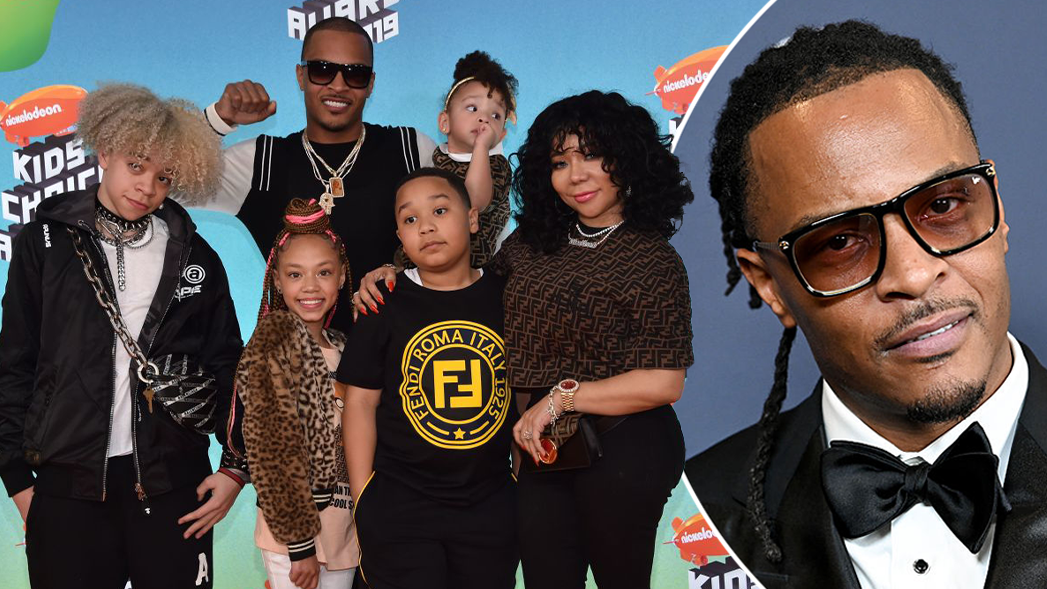
The escalating friction between Clifford “T.I.” Harris and Curtis “50 Cent” Jackson serves as a critical inflection point for legacy management within the hip-hop ecosystem. What originated as a professional debate regarding competitive catalogs on the Verzuz platform has morphed into a complex display of asymmetric reputational warfare, involving direct hits on immediate family members and domestic stability.
For T.I., the “King of the South” brand is inextricably linked to patriarchal leadership and domestic endurance. Conversely, 50 Cent utilizes social media as a tool for disruptive engagement, leveraging personal friction to maintain market visibility. This clash highlights the fragility of “elder statesman” archetypes when confronted with the high-velocity, high-conflict nature of modern digital discourse.
The Strategic Weaponization of Domestic Brands
By targeting Tameka “Tiny” Harris—an R&B icon and T.I.’s partner of over two decades—50 Cent moved the conflict from lyrical prowess to the deconstruction of domestic brand equity. This tactic targets the specific foundation of T.I.’s post-chart-peak identity: the image of a stabilized, high-profile family unit. Such attacks underscore the vulnerability of artists who have successfully pivoted toward lifestyle and legacy branding.
This targeting also exposes the persistent architecture of misogynoir within hip-hop. The systemic degradation of Black women as a proxy for male dominance remains a potent, if regressive, competitive tactic. The public discourse surrounding this feud suggests that the genre’s internal culture continues to struggle with its foundational principles of respect versus the commercial and ego-driven utility of marginalizing women.
Transgenerational Escalation: The King Harris Factor
The entry of King Harris into the dispute signals a significant shift in the “rules of engagement.” Traditionally, industry boundaries protected the descendants of veteran artists from active participation in professional feuds. King’s aggressive defense of his mother, involving inflammatory rhetoric directed at 50 Cent’s late mother, Sabrina Jackson, represents a collapse of these generational firewalls. This cycle of retaliation suggests that hip-hop dynasties are now viewed as holistic units, where children are both targets and active combatants.
This escalation is further fueled by digital platforms that incentivize high-conflict interactions. The resulting feedback loop prioritizes immediate viral engagement over long-term reputational safety, potentially locking legacy brands into a state of perpetual volatility that transcends professional boundaries.
Institutional Risk and Market Viability
From a commercial perspective, the devolution of Verzuz negotiations into a public melee represents a significant loss of structured revenue. While the Verzuz platform was designed to commoditize nostalgia and mutual respect, this conflict demonstrates that personal animosity can effectively override the financial incentives of legacy collaborations. This volatility may signal a higher risk profile to institutional investors and corporate sponsors who prioritize brand safety.
The polarization of the industry—manifested by figures like Tina Knowles publicly supporting Tiny Harris—indicates that digital disputes are reshaping social and professional hierarchies. These shifts can disrupt long-standing networks, affecting future ventures and the perceived stability of elite entertainment circles.
Conclusion: The Future of Legacy Maintenance
The trajectory of this conflict suggests that for veteran artists, the resolution will likely be decided in the court of public opinion rather than through creative output. As long as digital ecosystems reward spectacle over substance, the intersection of personal honor and public provocation will remain a primary challenge for those managing legacy brands. The outcome serves as a 2026 case study for the high cost of maintaining a traditional public persona in an era of decentralized, aggressive media engagement.