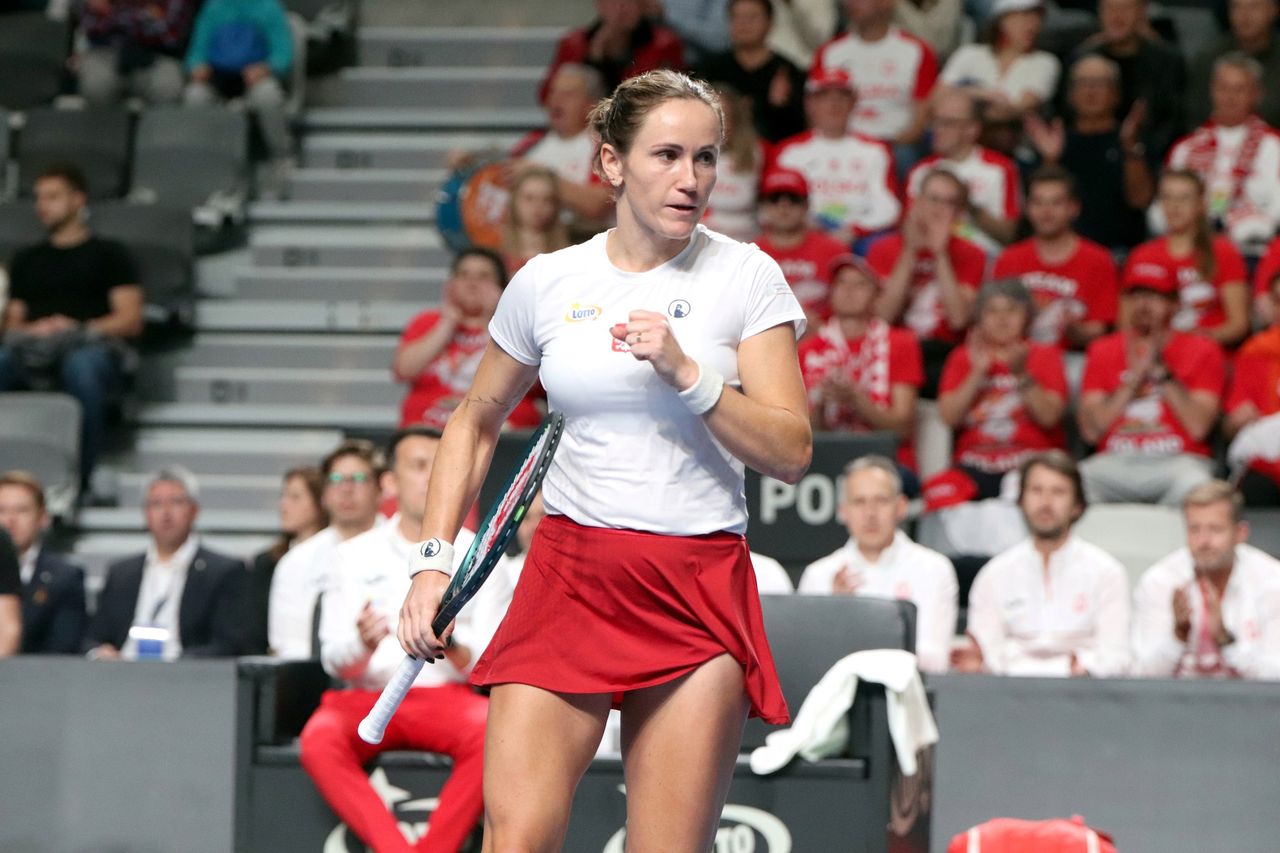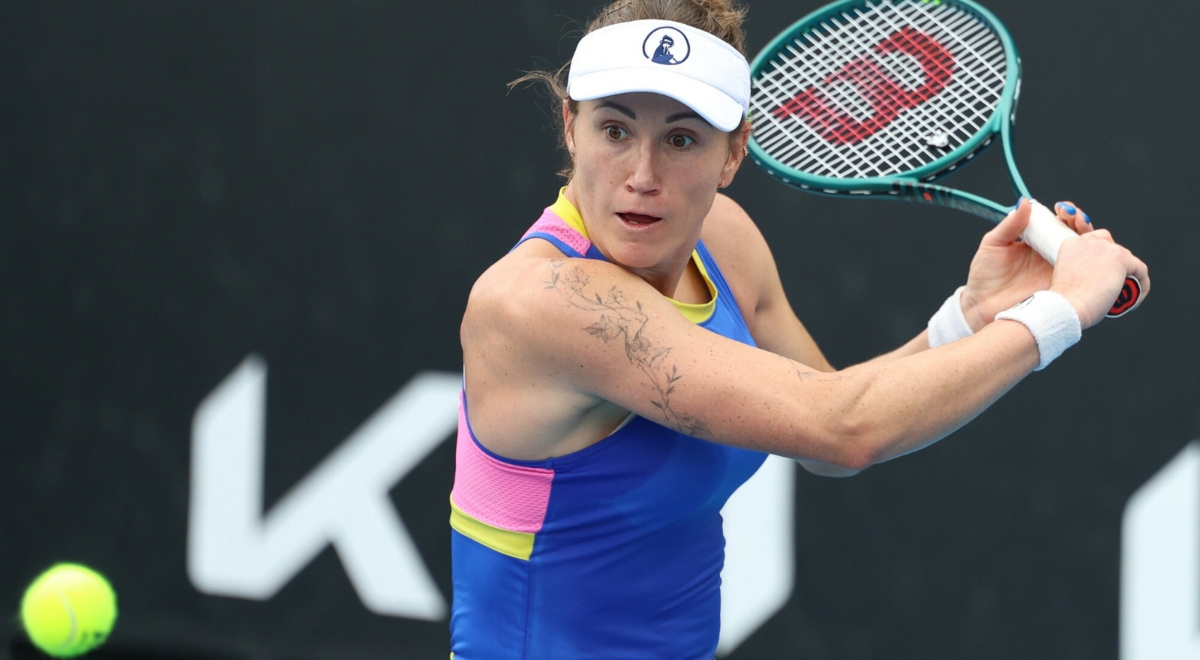
The opening round of the WTA 125 in Antalya marked a strategic pivot for the Polish contingent, defined by Katarzyna Kawa’s high-stakes victory over fifth-seeded Mayar Sherif. By securing a 6:3, 1:6, 6:2 win, Kawa dismantled a seven-match singles losing streak dating back to October, reclaiming critical competitive momentum on the Turkish clay. This result represents her first professional singles triumph of the current calendar year, providing a necessary correction to her ranking trajectory.
Tactical Volatility and Service Dynamics
The encounter between Kawa and Sherif was a study in clay-court attrition. Kawa’s initial 6:3 success was anchored by four service breaks, capitalizing on aggressive return positioning to neutralize Sherif’s defensive baseline game. However, a 1:6 regression in the second set exposed the inherent volatility of Kawa’s current form, as her service efficiency dipped under pressure. The deciding frame underscored a breakdown in traditional service holds, shifting the match into a contest of mental fortitude where Kawa’s ability to navigate high-leverage deuce games ultimately secured the upset.
Ranking Liquidity and Institutional Stability
Prior to Antalya, Kawa’s performance disparity—finding success in team formats like the Billie Jean King Cup while struggling on the individual tour—posed a threat to her ranking stability. For a 33-year-old veteran, WTA 125 events serve as essential liquidity providers for ranking capital. Defeating a surface specialist like Sherif not only validates Kawa’s technical adaptability but also ensures her eligibility for higher-tier qualifiers as the European clay season intensifies.
Chwalińska’s Clinical Efficiency
In contrast to Kawa’s three-set struggle, seventh seed Maja Chwalińska demonstrated the professional gap between established circuit players and wildcard entrants. Her 6:1, 6:3 victory over Adelina Lachinova was completed in a lean 87 minutes. By maintaining a high percentage of points won on second serves and dictating the tempo from the baseline, Chwalińska minimized physical expenditure—a strategic advantage for the subsequent rounds against opponents like Despina Papamichail.
Strategic Outlook for the Turkish Clay Swing
The Antalya tournament functions as a vital transition node for players recalibrating for slower surfaces. The success of both Kawa and Chwalińska reflects an effective institutional preparation by the Polish coaching staff for the specific aerobic and tactical demands of Turkish clay. As Kawa prepares to face either Ipek Oz or Katarina Zawacka, the focus shifts from merely halting a decline to establishing a sustainable winning pattern within the WTA 125 ecosystem.