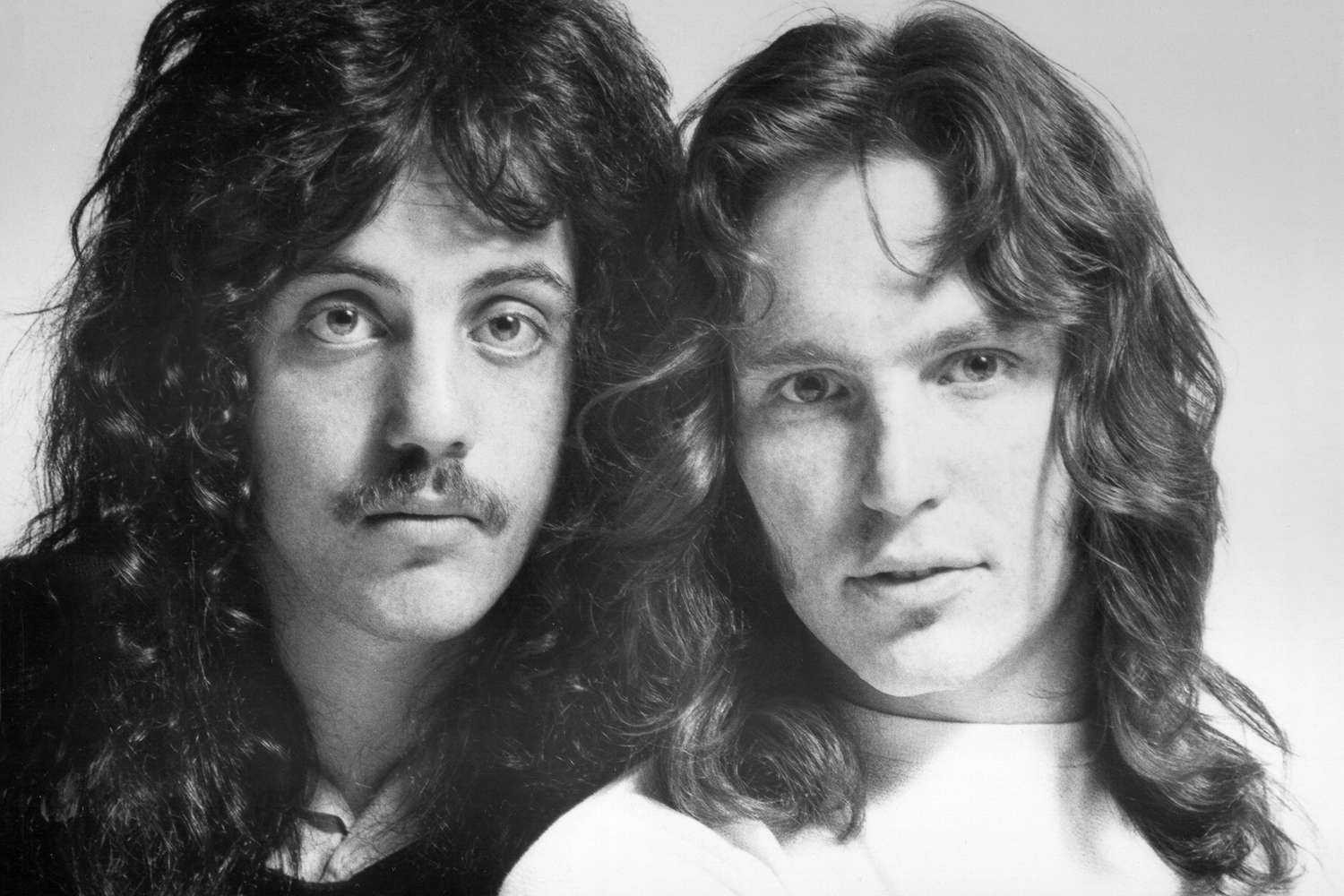
The passing of Jon Small at age 77 concludes one of the most complex narrative arcs in modern music history. Primarily known as the rhythmic half of the proto-metal duo Attila and a foundational member of The Hassles, Small’s career represents a masterclass in professional pivot, evolving from a performance-based artist into a high-leverage producer of visual media. His death, confirmed in September 2024, prompts a reassessment of the interpersonal and economic structures that defined the Long Island music scene’s transition into global commercial dominance.
The Attila Experiment: Rhythmic Innovation and Market Defiance
Before Billy Joel became the ‘Piano Man,’ Small was his primary creative strategist. Their collaboration in The Hassles provided a technical foundation in blue-eyed soul, but the subsequent formation of Attila signaled a radical departure from the era’s quartet-based ensemble models. By stripping the rock arrangement down to a high-intensity drum-and-organ duo, Small and Joel anticipated the power-duo trends of later decades. While the project was a commercial outlier at the time, Small’s percussive technicality allowed Joel the sonic space to experiment with the aggressive keyboard distortion that would later characterize his more rock-oriented solo hits.
The Weber Crisis: Navigating Personal and Professional Rupture
The dissolution of Attila is inextricably linked to one of rock’s most scrutinized personal crises: Joel’s romantic involvement with Elizabeth Weber, Small’s then-wife. This breach of social and professional contracts led to a decade of estrangement, effectively terminating their early performance partnership. Analytically, this period serves as a case study in how personal volatility can force a strategic realignment of creative assets. While Joel transitioned into a solo career defined by the emotional resonance of that fallout, Small effectively leveraged the crisis to exit the performance sphere and enter the burgeoning market of music production and direction.
The Production Pivot: Translating Rhythm into Visual Capital
In the 1980s, Small successfully repositioned himself as a key player in the MTV era. His transition to music video production was not merely a career change but a strategic utilization of his musical timing in the editing suite. This technical advantage culminated in a Grammy-nominated career, where he directed and produced content for industry titans, including a reconciled Billy Joel. By producing iconic videos like ‘The Longest Time’ and ‘Keeping the Faith,’ Small demonstrated a rare ability to transform former interpersonal grievances into a highly profitable professional alliance, proving that shared history is a potent form of industrial currency.
Institutional Legacy and the Resilience of Professional Bonds
The reconciliation between Small and Joel remains an anomaly in an industry often defined by permanent fractures. Their multi-decade partnership, which survived both a literal and metaphorical domestic collapse, underscores the pragmatism required for long-term success in entertainment. Small’s legacy is defined by this resilience—the ability to maintain institutional memory and creative continuity despite extreme personal friction. His impact extends from the raw, unpolished energy of the late-60s club scene to the polished, high-budget visual storytelling that defined the 1980s and 90s, solidifying his role as a pivotal architect of the Billy Joel brand.