
Strategic Escalation and Diplomatic Repositioning in the Iran-Israel Conflict
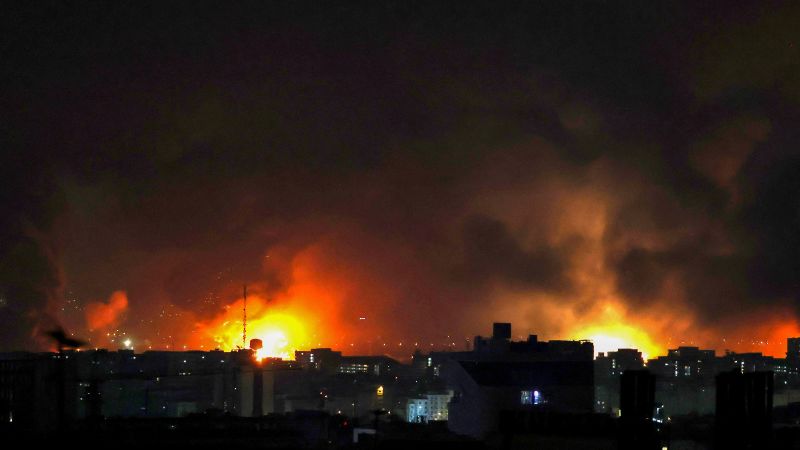
The conflict between Israel and Iran has entered a phase characterized by both significant military escalation and a notable shift in Tehran’s diplomatic strategy. Israeli forces launched a broad-scale wave of strikes involving over 80 fighter jets against targets within Iran, marking a new level of operational engagement. Crucially, eyewitness accounts confirm explosions at Tehran’s Mehrabad Airport, a key dual-use facility for both commercial aviation and military logistics. This targeting of vital civilian infrastructure, rather than purely military or nuclear sites, represents a calculated increase in operational pressure on the Iranian regime.
Pezeshkian’s Strategic Maneuver and Gulf States’ Dilemma
Amidst the military escalation, Iranian President Masoud Pezeshkian delivered a televised address signaling a strategic repositioning toward neighboring Gulf states. While reinforcing a hardline stance for domestic consumption—vowing Iran would “never surrender”—Pezeshkian simultaneously offered a conditional de-escalation pathway. He issued an apology to Gulf states, including Saudi Arabia and the UAE, for previous strikes and pledged to halt further attacks on neighboring countries, provided those nations do not serve as launchpads for Israeli operations against Iran.
This apology constitutes a calculated attempt by Tehran to decouple the conflict from broader regional dynamics. By offering a conditional ceasefire to its neighbors, Iran seeks to prevent the formation of a unified regional front that could provide strategic depth or logistical support to Israel. The move aims to isolate Israel diplomatically and operationally, forcing the confrontation to remain primarily bilateral. The Gulf states, however, face a precarious dilemma. While continuing to repel retaliatory strikes, they must weigh the immediate security risks of engagement against the long-term potential benefits of accepting Pezeshkian’s offer, which could allow them to prioritize domestic economic diversification initiatives over regional security concerns.
Operational Impact of Infrastructure Targeting and Domestic Pressure
The strike on Mehrabad Airport carries significant operational and psychological weight. The disruption of a major commercial hub affects both military supply chains and civilian air travel, increasing pressure on the Iranian government and potentially affecting public sentiment. Residents described the strikes as “the worst night” since the conflict began, indicating a shift in the conflict’s impact from remote military sites to urban centers. This domestic political pressure forces Pezeshkian to balance hardline rhetoric with strategic necessity, potentially eroding public support for the government’s handling of the conflict.
US Policy and Diplomatic Deadlock
The US response to the conflict is defined by high-level political engagement and a firm stance that limits diplomatic resolution pathways. President Donald Trump’s statement that there would be “no deal” with Iran “except unconditional surrender” sets an exceptionally high bar for de-escalation. This zero-sum framing potentially hardens positions on both sides and reduces the incentives for Iran to engage in good-faith negotiations. The direct involvement of US forces, highlighted by the loss of six service members, adds a layer of domestic political pressure. The dignified transfer ceremony at Dover Air Force Base underscores the human cost, influencing public discourse and potentially shaping future decisions regarding military support and engagement in-region engagement.
Long-Term Implications for Regional Stability and Capital Movement
The escalation of strikes on critical infrastructure, combined with Pezeshkian’s strategic shift, creates long-term implications for regional stability. The targeting of Mehrabad signals a rising escalation threshold, increasing the risk profile for foreign investors throughout the region. The resulting uncertainty may lead to capital flight and a slowdown in investment across key sectors where regional stability is paramount. Pezeshkian’s apology offers a potential pathway for Gulf states to distance themselves from the conflict, but the success of this strategy hinges on Iran’s adherence to its promise and the Gulf states’ willingness to trust Tehran’s intentions, altering the regional power balance in the process.

Photo by rudolf_langer on Pixabay.