The structural unpredictability of high-altitude baseball was exemplified at Coors Field as the Colorado Rockies leveraged a five-run ninth-inning rally to secure an 8-6 victory over the San Francisco Giants. This outcome highlights the systemic challenges of bullpen management in Denver, where traditional lead protections are frequently compromised by unique aerodynamic conditions and offensive variance.
The Mechanics of Late-Game Volatility
Entering the ninth with a three-run cushion, the Giants’ relief corps faced a catastrophic failure in execution. Caleb Kilian’s entry was designed to stabilize the game after San Francisco secured insurance runs, but a lead-off single by Jake McCarthy—aided by an unpredictable bounce—signaled the onset of defensive erosion. This sequence forced high-leverage confrontations that the Giants were unable to navigate.
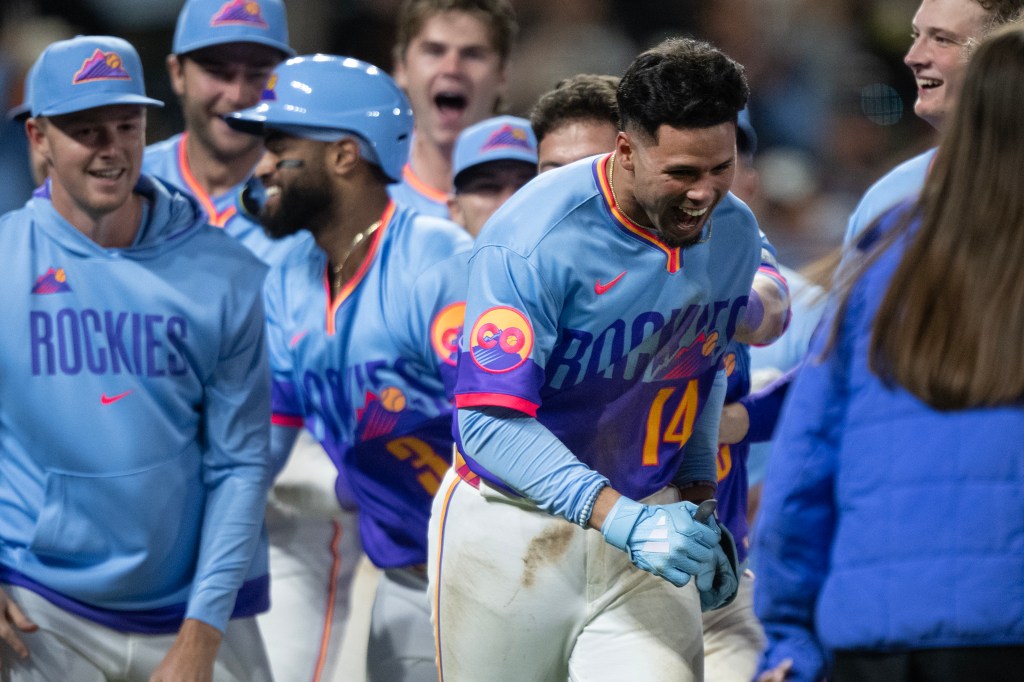
Hunter Goodman, previously mired in a collective 0-for-13 drought with runners in scoring position (RISP), provided the statistical correction the Rockies required. His three-run, game-tying home run served as a psychological pivot, ending weeks of offensive stagnation. The emotional release of Goodman’s bat flip underscored a shift in competitive gravity, forcing the Giants into a defensive posture they could not sustain.
Tovar’s Performance Leverage and Strategic Impact
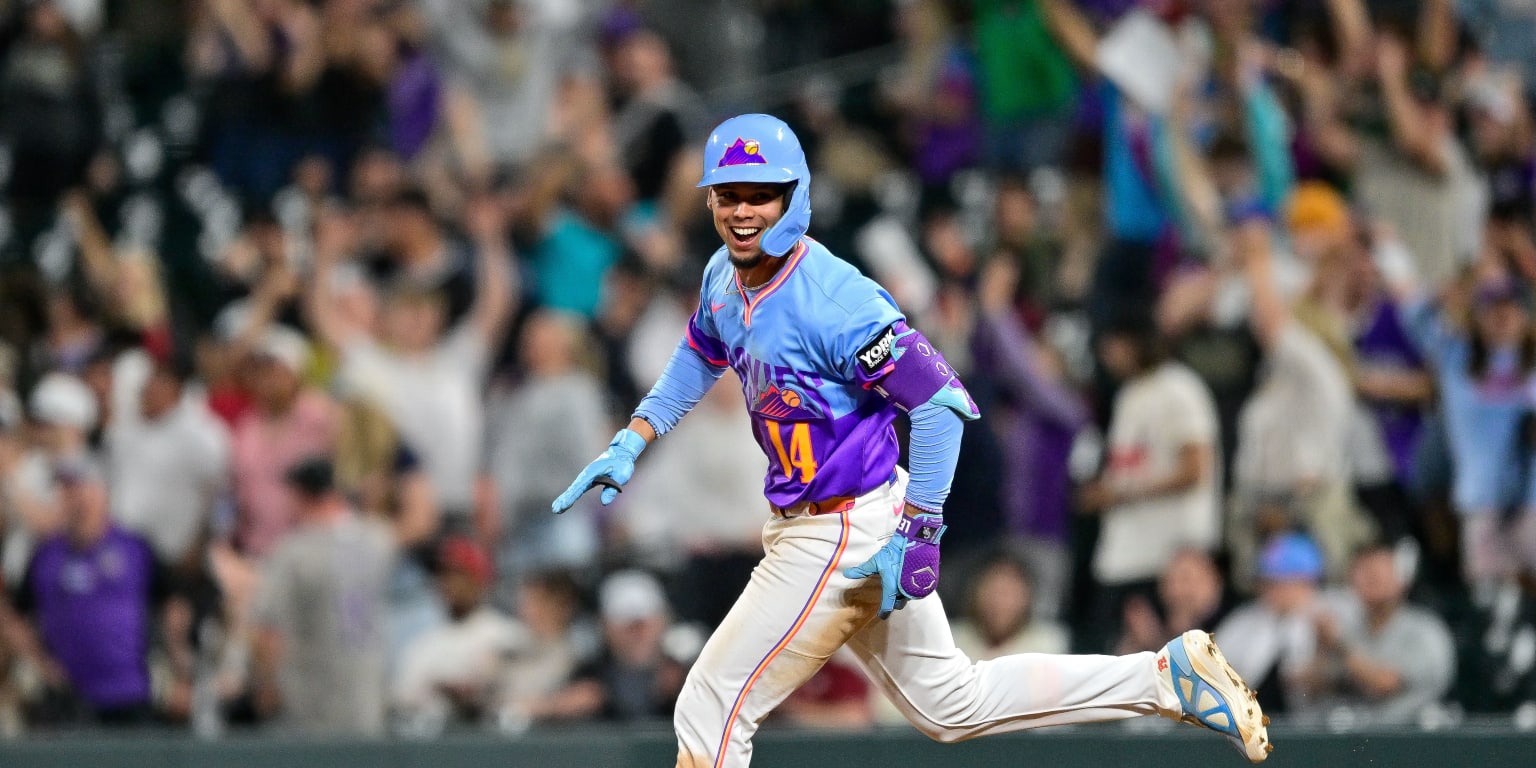
Ezequiel Tovar demonstrated franchise-level impact, accounting for the majority of Colorado’s production via two pivotal home runs. His initial 441-foot blast in the eighth inning reduced the deficit to 4-3, acting as the catalyst for the eventual surge. Tovar’s walk-off two-run homer in the ninth—the first of his career—exposed the limitations of Kilian’s secondary offerings under extreme stress.
Tovar’s ability to generate elite exit velocity provides a necessary performance bridge for a roster that had struggled through a grueling 16-day stretch. By recording two outs before the final plate appearance, Kilian had a mathematical window to force extra innings; however, a two-out single by Willi Castro extended the exposure, allowing Tovar to finalize the 8-6 scoreline.
Institutional Implications and Managerial Strategy
Giants management characterized the result as a “bitter pill,” reflecting broader frustrations regarding the team’s 22-35 record. While the environmental factors of Coors Field are a known variable, the fundamental issue remains the quality of contact allowed by the San Francisco relief staff. The inability to miss bats in high-leverage situations highlights a vulnerability in roster construction that often leads to season-defining losses.
Furthermore, the failure to capitalize on defensive highlights—such as Jung Hoo Lee’s sliding catch in the fifth—indicates a lack of synergy between pitching and fielding units. For the Rockies, the victory suggests that a recent day of rest provided the cognitive recovery necessary to execute in high-pressure moments, effectively resetting the narrative for a team searching for consistency.
Conclusion: The Coors Field Variable
The 8-6 final score is a case study in how quickly competitive advantages evaporate when tactical decisions meet the unforgiving reality of an offensive-friendly environment. While the Rockies have identified a reliable high-leverage threat in Tovar, the Giants must address the bullpen volatility that continues to undermine their market positioning and postseason aspirations.