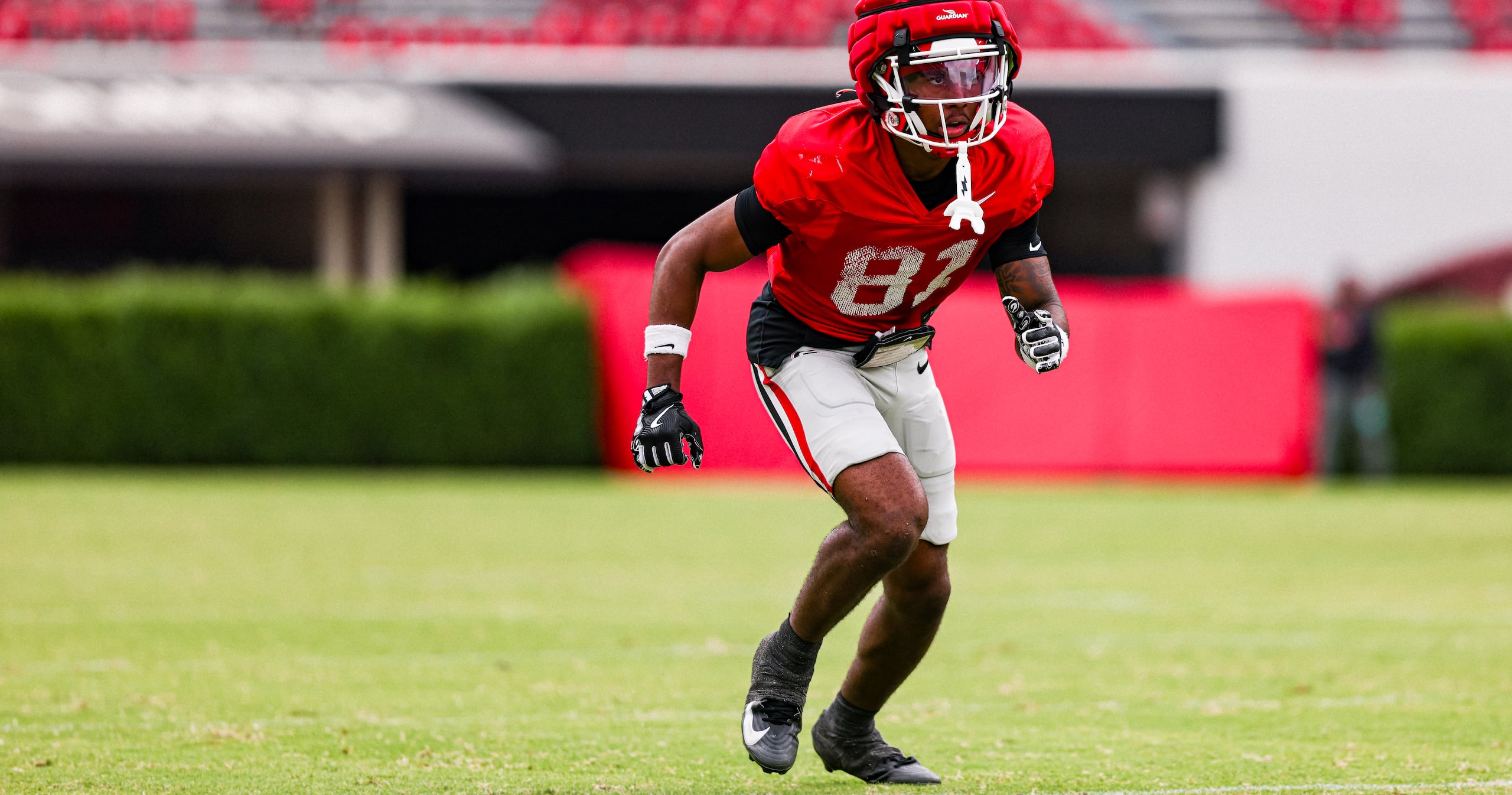
Georgia Spring Game: A Strategic Asset in Modern College Football
The Georgia football program’s annual spring game, historically a simple exhibition, has evolved into a high-leverage strategic event within the modern college football ecosystem. The event marks the culmination of spring practices and provides the first public assessment of the team’s structural changes and new personnel. Its significance extends beyond on-field performance, encompassing media distribution, high-stakes recruiting, and complex roster management challenges inherent in the current landscape of NIL (Name, Image, and Likeness) and the transfer portal.
Media Monetization and Strategic Distribution
The distribution strategy for the spring game highlights the ongoing shift in college sports media rights, moving from traditional cable models to subscription-based streaming platforms. The decision to broadcast the game exclusively on SEC Network+ and ESPN+ reflects a calculated move to monetize non-traditional content and drive subscription growth for the media partner. This strategy aligns with the broader financial objectives of the Southeastern Conference (SEC) to maximize revenue through exclusive digital content, leveraging high demand for marquee programs like Georgia.
By placing content behind a streaming paywall, the SEC and ESPN generate new revenue streams separate from traditional linear television contracts. This approach allows for greater control over content distribution and provides valuable data on audience engagement, which can be leveraged in future rights negotiations. The spring game, once a low-value broadcast asset, now functions as a strategic tool to reinforce the value proposition of the streaming service to a dedicated fan base. This transition prioritizes revenue maximization over universal access, balancing financial strategy with audience reach to maximize value from all program assets.
Recruiting Dynamics and Competitive Differentiation
The spring game serves as a critical high-leverage event in the annual recruiting cycle, particularly for a program that consistently competes for elite talent. The documented attendance of high-value prospects, including 5-star running back Kemon Spell and 5-star cornerback Donte’ Wright, underscores the strategic importance of the event in solidifying existing commitments and attracting uncommitted talent. The presence of these top-tier recruits transforms the exhibition into a key component of the program’s long-term competitive strategy.
For committed prospects like Spell, who has not visited other schools since his commitment, the spring game visit serves a distinct purpose. The primary objective is to reinforce the existing commitment, build deeper relationships with the coaching staff, and allow the recruit to visualize their future role within the program’s system. This proactive engagement strategy is essential in mitigating the risk of a “flip,” where a committed player changes their decision in favor of a rival program—a common occurrence in the highly competitive recruiting landscape. The spring game allows the program to showcase stability and culture as a counter-narrative to external recruitment efforts.
For uncommitted prospects, such as 5-star defensive linemen Hall and Kellan, the spring game provides a unique opportunity to observe the program’s culture, facilities, and fan support in a live setting. The program leverages the atmosphere and operational efficiency of the event to differentiate itself from competitors. The strategic focus on specific positions, like the defensive line, indicates a targeted effort to address future roster needs and maintain competitive dominance at key positions. The intense competitive pressure from rival institutions underscores the importance of utilizing non-competitive events to solidify program appeal.
Operational Challenges of Roster Integration
The influx of over 40 new players to the roster during the offseason presents significant operational and logistical challenges for the program. This high turnover rate is indicative of the current transfer portal dynamics in college football, where programs must constantly manage roster changes and integrate new personnel at an unprecedented pace. The spring game serves as the first major test for these new players to demonstrate their readiness for the system and their ability to assimilate into the team culture.
Integrating a large number of newcomers requires intensive coaching resources and a structured approach to cultural assimilation. The spring game provides a controlled environment for coaches to evaluate how new players interact with existing personnel and adapt to the program’s operational standards. The high turnover rate necessitates a continuous focus on team chemistry and leadership development. The performance metrics of the spring game are critical for determining the immediate contributions of these newcomers and identifying potential areas of weakness in the depth chart. The successful integration of these newcomers is essential for maintaining the program’s competitive edge in the upcoming season.
Strategic Synthesis and Program Outlook
The spring game’s role within the broader institutional strategy of the program highlights the intersection of athletics, finance, and public relations. It functions as a carefully managed platform to project stability and strength, essential for attracting top talent and maintaining a high level of performance. The strategic decisions surrounding media distribution and recruiting demonstrate a comprehensive approach to program management. The shift to streaming services reflects an understanding of changing media consumption habits and financial opportunities, while the focus on high-value recruits underscores a long-term commitment to competitive success. The spring game is not merely an exhibition; it is a carefully orchestrated event designed to maximize operational efficiency, financial leverage, and strategic positioning in an era defined by constant change.