Atmospheric Dynamics and Institutional Risk Recalibration
The National Oceanic and Atmospheric Administration (NOAA) and the Weather Prediction Center (WPC) have verified a strengthening El Niño–Southern Oscillation (ENSO) pattern, projecting a 90% probability of ‘very strong’ intensity levels persisting into early 2027. This transition represents a systemic perturbation in global atmospheric dynamics rather than a transient weather variation. For institutional stakeholders, the forecast signals a fundamental shift in the risk profile for capital assets, necessitating a move from reactive emergency response to aggressive structural mitigation.
Macro-Economic Exposure in Coastal Growth Corridors
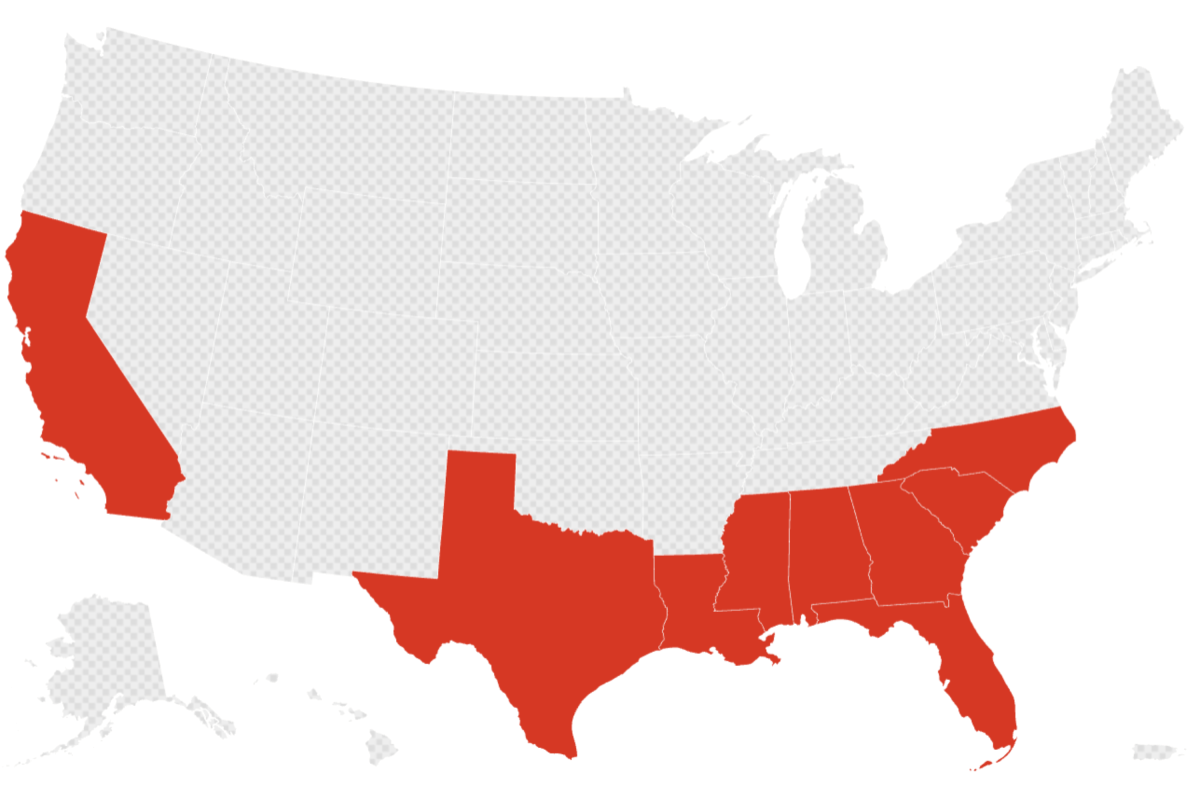
California and the Southeast United States represent the primary geographic sectors of exposure. These regions contain a high density of critical infrastructure and high-value real estate that currently face an ‘unprecedented’ threat from synchronized storm surges and high-tide inundations. The economic delta between historical infrastructure design specifications and projected hydrological extremes creates a critical point of failure. As sea-surface temperatures in the Pacific disrupt the jet stream, the resulting surge in Atlantic moisture channels exacerbates the frequency and severity of flooding events, threatening regional supply chains and municipal functionality.
Micro-Level Resilience: Architectural Elevation as a Strategic Asset
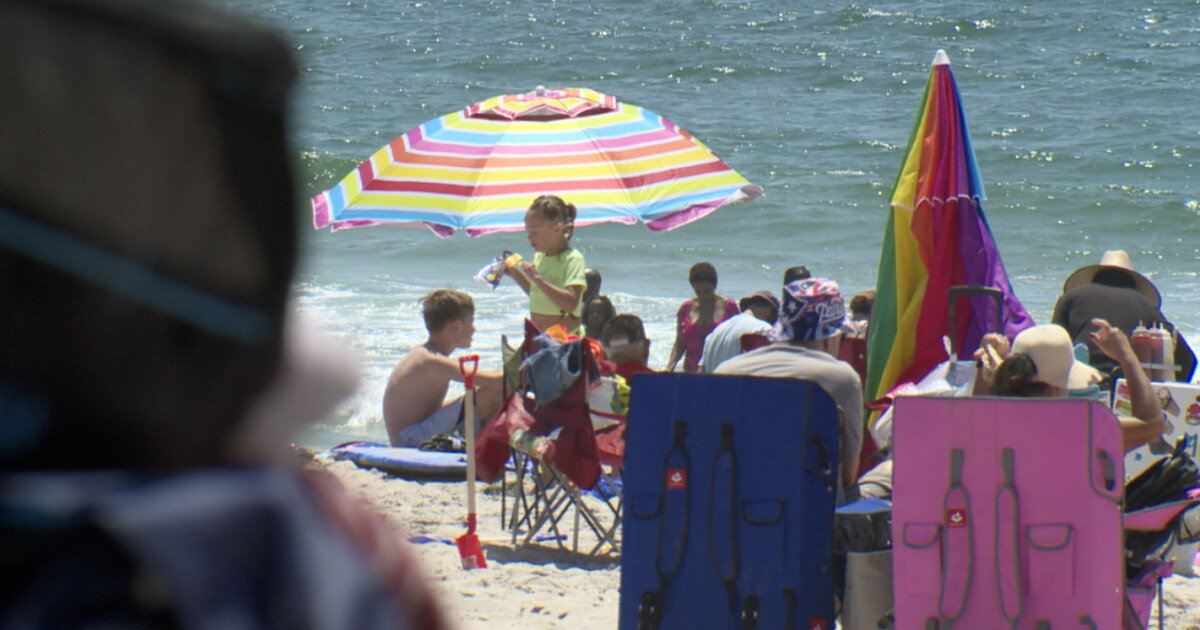
Granular data from coastal San Diego, specifically Mission Beach and Nantasket Court, illustrates the disparity in structural survival during high-swell events. Observations confirm that properties utilizing architectural elevation—specifically those raised by a minimum of 1.5 feet—consistently withstand ocean surges that breach lower-lying boardwalks. This fragmented landscape of resilience demonstrates that minimal architectural adjustments are now the primary determinants of property integrity. Consequently, elevation has transitioned from a design preference to a critical strategic asset in coastal real estate management.
Sub-Grade Vulnerability and the Failure of Subterranean Density
A recurring failure point in urban coastal planning is the flooding of subterranean structures. Underground garages, designed to maximize density in high-value zones, act as catchments for storm surges, leading to catastrophic capital loss. This architectural vulnerability necessitates a reevaluation of sub-grade construction; the recurring costs of remediation and recovery during intensifying ENSO cycles are beginning to outweigh the utility of underground storage. Stakeholders must now account for the actuarial reality that legacy drainage systems are increasingly insufficient for modern surge volumes.
Policy Shifts and Actuarial Recalibration
The high confidence of the NOAA forecast serves as a catalyst for shifts in insurance underwriting and regulatory frameworks. As ‘unprecedented’ floods become the new operational baseline, the cost of insuring coastal assets in high-risk zones will inevitably undergo upward adjustment. We anticipate a transition toward mandated elevation standards for new developments and significant budgetary reallocations for municipal flood control. The 2024–2027 El Niño cycle acts as a live stress test for the American coastal economy, where the survival of infrastructure is tied directly to proactive structural adaptation and inland strategic positioning.