States Unite to Block $6.2 Billion Nexstar-Tegna Media Merger
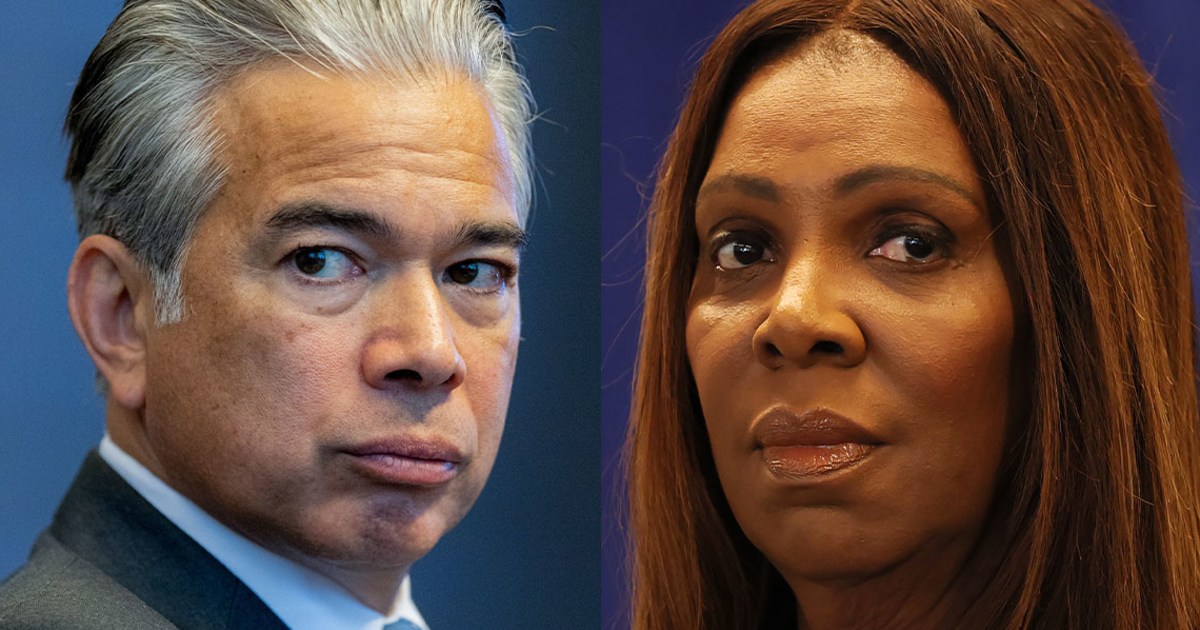
A significant legal challenge has emerged against the proposed $6.2 billion merger of television station owners Nexstar Media Group and Tegna Inc. Eight states, spearheaded by California and New York, have filed a joint lawsuit asserting that the consolidation would violate federal antitrust laws. Their core contention is that the creation of a larger media entity would grant it substantial power to inflate prices for consumers and diminish the quality and scope of broadcast content, particularly local news and sports.
The lawsuit details concerns that the transaction would forge a “broadcast behemoth” with “substantial power to raise prices for television consumers and to control and degrade the quality and quantity of broadcast content.” This highlights the states’ argument that the merger would shift the market from one driven by competition and diverse offerings to one characterized by concentrated ownership and potentially exploitative pricing and content strategies.
Antitrust Lawsuit Targets Market Consolidation and Consumer Harm
California Attorney General Rob Bonta articulated the broader implications, stating, “When broadcast media is owned by a handful of companies, we get fewer voices, less competition, and communities lose the critical check on power that local journalism delivers.” This statement frames the issue as one of public interest, emphasizing local journalism’s role in democratic accountability and community information, beyond its commercial value.
The coalition includes attorneys general from Colorado, Illinois, Oregon, North Carolina, Connecticut, and Virginia. This broad, multi-state opposition amplifies concerns about the merger’s potential adverse effects on constituents across diverse jurisdictions and underscores a shared apprehension regarding the future of the media landscape.
Regulatory Hurdles and the FCC’s Role
The merger’s completion is contingent on approval from the Federal Communications Commission (FCC). A major regulatory obstacle is the FCC’s national ownership cap, which limits a single company’s reach to 39% of U.S. television households. The combined Nexstar-Tegna entity would exceed this limit, reaching approximately 60% of U.S. households, necessitating either a waiver or amendment of the existing rule.
FCC Chair Brendan Carr has publicly supported the deal, stating, “Let’s get it done.” This endorsement suggests a potential regulatory divide, with some FCC members prioritizing industry consolidation and scale, while state officials emphasize consumer and journalistic impacts.
State-Specific Concerns Highlight Local Impact
North Carolina Attorney General Jeff Jackson specifically raised concerns about potential widespread layoffs and newsroom staff reductions. This focus on local impact addresses the direct threat to community-specific news coverage, which often suffers from cost-saving measures following media consolidation.
Jackson’s statement echoed the lawsuit’s central theme: the merged entity’s “increased and substantial power to raise prices for television consumers and to control and degrade the quality and quantity of broadcast content such as local news and sports.” The lawsuit’s detailed examination of potential impacts across various regions within North Carolina highlights a granular understanding of how such a merger could disproportionately affect diverse communities.
Strategic Implications for Broadcast Industry Structure
If successful, the Nexstar-Tegna merger would significantly consolidate the U.S. broadcast television sector. Nexstar, already the largest U.S. operator of local TV stations, would further cement its dominant position by acquiring Tegna’s 64 stations in 51 markets. This expansion would concentrate ownership of local news outlets in numerous key markets.
The strategic rationale for such mergers typically involves achieving economies of scale, reducing operational redundancies, and enhancing bargaining power. However, the states’ lawsuit contends these efficiencies would come at the cost of consumer choice and journalistic independence, raising questions about the future of local news as a public service versus a profit-driven venture.
Competitive Landscape and Consumer Leverage
The lawsuit’s core argument is that reduced competition would diminish consumer leverage. Broadcasters negotiate retransmission consent fees with cable and satellite providers; a consolidated Nexstar-Tegna would hold greater power, potentially leading to increased costs passed on to consumers via higher subscription bills.
Furthermore, reduced competition among station owners could lead to diminished investment in local news programming, fewer unique reporting initiatives, and content homogenization across markets, limiting diverse perspectives and weakening the role of local broadcasters as independent information sources.
FCC Rule Change as a Potential Catalyst
The FCC’s 39% national ownership rule is a critical barrier. The proposed merger requires the FCC to waive or amend this rule, a process involving public comment and a commission vote. Chair Carr’s public support suggests a potential willingness to consider rule changes, possibly signaling a broader shift toward greater media consolidation.
However, strong opposition from eight state attorneys general and potential public outcry could exert significant political pressure on the FCC. The commission’s decision will have far-reaching implications for broadcast ownership structure and market dynamics, balancing industry growth arguments against public interest mandates.
Implications for Journalism and Local Communities
Concerns over the “quality and quantity of broadcast content such as local news and sports” are central to the lawsuit. Local journalism is a primary source for community information. Mergers leading to cost-cutting can reduce reporters, investigative capacity, and comprehensive local coverage, directly impacting civic engagement and informed decision-making.
The lawsuit implicitly argues that the pursuit of shareholder value should not compromise the essential public service of local news. The erosion of local news coverage weakens the media’s watchdog function and compromises the public’s ability to hold local officials accountable.
Future of Broadcast Ownership and Regulatory Scrutiny
The legal challenge highlights a broader tension between the drive for media scale and efficiency and the public interest in diverse, competitive markets. The outcome will set precedents for future media consolidation efforts.
A successful merger could encourage further consolidation. Conversely, a legal challenge victory could reinforce antitrust protections and signal a more robust regulatory stance against large-scale media mergers, influencing industry strategy and regulatory approaches for years.
Stakeholder Impact and Market Recalibration
Immediate stakeholders include Nexstar, Tegna, their shareholders, and consumers. A blocked merger represents a significant setback for Nexstar and Tegna’s strategic plans. Shareholders will monitor proceedings for valuation impacts.
Consumers may benefit from a successful lawsuit, preventing price hikes and maintaining news quality. The broader media ecosystem will also be affected by this market recalibration, potentially influencing capital allocation and strategic planning across the industry.
The Role of State Attorneys General in Antitrust Enforcement
The coordinated action by eight state attorneys general emphasizes their critical role in antitrust enforcement, particularly concerning consumer welfare and market competition within their states. Their ability to file lawsuits under state and federal antitrust laws provides additional scrutiny beyond federal agencies.
This multi-state approach leverages collective resources, amplifies pressure, and ensures that diverse community concerns influence the regulatory and judicial review process, potentially leading to outcomes more sensitive to local impacts.
Broader Implications for Media Regulation
This challenge exemplifies a larger debate on media consolidation in the digital age. Proponents cite the need for scale against digital giants, while critics highlight risks to media diversity and local focus.
The FCC’s stance, including Chair Carr’s support and potential rule adjustments, will be pivotal. The commission’s decision will signal its approach to media regulation, balancing industry interests with public concerns and potentially shaping the regulatory environment for broadcast mergers.
Potential for Layoffs and Newsroom Impact
North Carolina’s specific concern about layoffs and newsroom impact stems from the operational efficiencies sought in large mergers. Consolidating operations often leads to reduced redundant positions, especially in overlapping markets.
Such reductions can significantly affect local news coverage depth and breadth. Fewer journalists mean less capacity for investigative reporting and a potential for more superficial news gathering, impacting public information quality and the media’s watchdog role.
The FCC’s National Ownership Rule: A Historical Context
The FCC’s 39% national ownership rule was established to promote media diversity and prevent undue concentration. The Nexstar-Tegna merger’s proposed reach of 60% necessitates significant FCC intervention, either via waiver or rule change.
The FCC’s historical approach to such rules reflects prevailing regulatory philosophies. Altering the rule would signal a shift towards industry consolidation, while upholding it would reinforce measures for a diverse broadcast landscape.
The “Broadcast Behemoth” Argument and Market Power
The lawsuit’s “broadcast behemoth” characterization underscores the market power the merged entity would wield. This power, states argue, extends to increased retransmission fees for consumers and potentially influencing advertisers and programming choices.
This concentrated power could lead to a less responsive media market, where community needs are secondary to corporate financial objectives. This raises questions about broadcast licensees’ public service obligations and the effectiveness of current regulatory oversight.
Federal Antitrust Laws and Judicial Review
The lawsuit invokes federal antitrust laws, seeking judicial intervention against what is deemed an anti-competitive merger. These laws aim to prevent monopolies and promote fair competition.
Judicial review will involve rigorous examination of potential competitive effects. Courts will weigh states’ arguments of consumer harm against Nexstar and Tegna’s claims of efficiencies and market evolution, based on antitrust principles applied to the broadcast industry.
The Role of Local Journalism as a “Check on Power”
California AG Rob Bonta’s emphasis on local journalism as a “critical check on power” highlights its civic function. Local news is seen as essential for democratic governance, holding local officials accountable.
Mergers that reduce newsroom capacity or homogenize reporting can weaken this watchdog function. The lawsuit argues that consolidated media ownership diminishes diverse voices, reducing the media’s effectiveness as a check on power and potentially leading to a less informed citizenry.