Strategic Roster Architecture and Organizational Depth
The Los Angeles Dodgers’ decision to designate Anthony Banda for assignment and claim Ben Rortvedt from waivers represents a calculated refinement of the team’s organizational depth. By prioritizing veteran insurance behind the plate, the front office has effectively signaled a shift toward high-floor reliability, an adjustment that has simultaneously intensified industry discourse regarding the future of top prospect Dalton Rushing. Within the context of modern front-office management, such peripheral roster churn often delineates the tension between long-term prospect integration and immediate competitive requirements.
Rushing’s status as a focal point for trade speculation highlights the Dodgers’ internal dilemma: balancing a robust farm system against the necessity of addressing mid-season deficiencies. The decision to favor Rortvedt suggests a strategic preference for proven defensive stability over the inherent volatility of untested assets. This institutional approach reinforces a commitment to sustained excellence, leveraging depth to mitigate risks that could otherwise compromise the club’s championship trajectory.
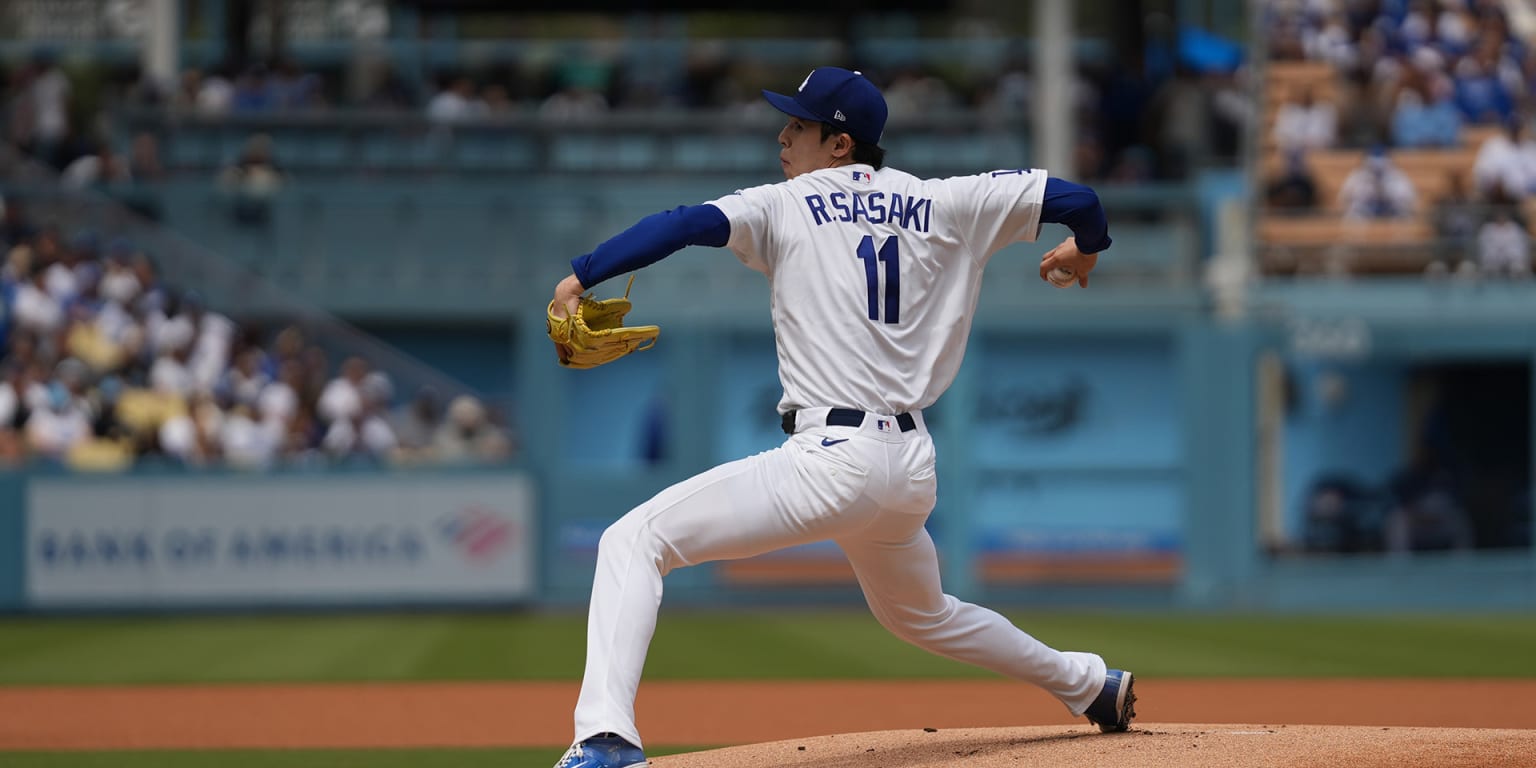
Roki Sasaki: Navigating Performance Duality
Roki Sasaki’s recent outing against the Texas Rangers serves as a critical case study in transitioning elite international profiles to MLB competition. His performance, characterized by six strikeouts countered by an equal number of walks, highlights a struggle with command efficiency that remains a primary bottleneck to his development. While his strikeout-generating capability is evident, his inability to consistently locate within the strike zone constitutes a significant variable for the Dodgers’ rotation.
Reports regarding potential pitch-tipping during the Rangers series prompted intense analytical scrutiny. However, technical analysis suggests that while external observers noted signal-stealing attempts by baserunners, these incidents did not translate into a tangible competitive disadvantage. Sasaki’s ability to navigate high-leverage situations despite these external variables underscores his psychological resilience, even as his mechanical execution requires further synchronization. The coaching staff is currently prioritizing the stabilization of his release points to harmonize his high-velocity offerings with better zone control.
Analytical Development and Media Noise
The media-driven narrative surrounding pitch-tipping often obscures the granular reality of Sasaki’s development curve. Analysts must distinguish between isolated, situational events and the underlying technical metrics—specifically walk rates and pitch sequencing—that dictate long-term effectiveness. For the Dodgers’ infrastructure, the goal remains the optimization of Sasaki’s delivery without sacrificing the elite spin and velocity profiles that necessitated his signing.
The organization’s willingness to endure current volatility indicates a strategic patience. By isolating performance variables and employing a data-centric approach to coaching, the Dodgers aim to convert Sasaki’s raw potential into sustained high-level production. As the season progresses, his ability to command the zone will serve as the definitive metric for evaluating both his individual trajectory and the efficacy of the team’s developmental systems.
Strategic Recalibration in a Parity-Driven League
The Dodgers are currently navigating a complex environment where roster moves, prospect management, and individual player performance must achieve total alignment to ensure competitive success. The trade speculation surrounding Rushing and the scrutiny of Sasaki reflect the high-stakes nature of a franchise consistently managing its assets to maximize a championship window. Moving forward, the organization’s success will be determined by its ability to synthesize these disparate inputs, maintaining structural discipline while adapting to the evolving demands of a grueling 162-game campaign.