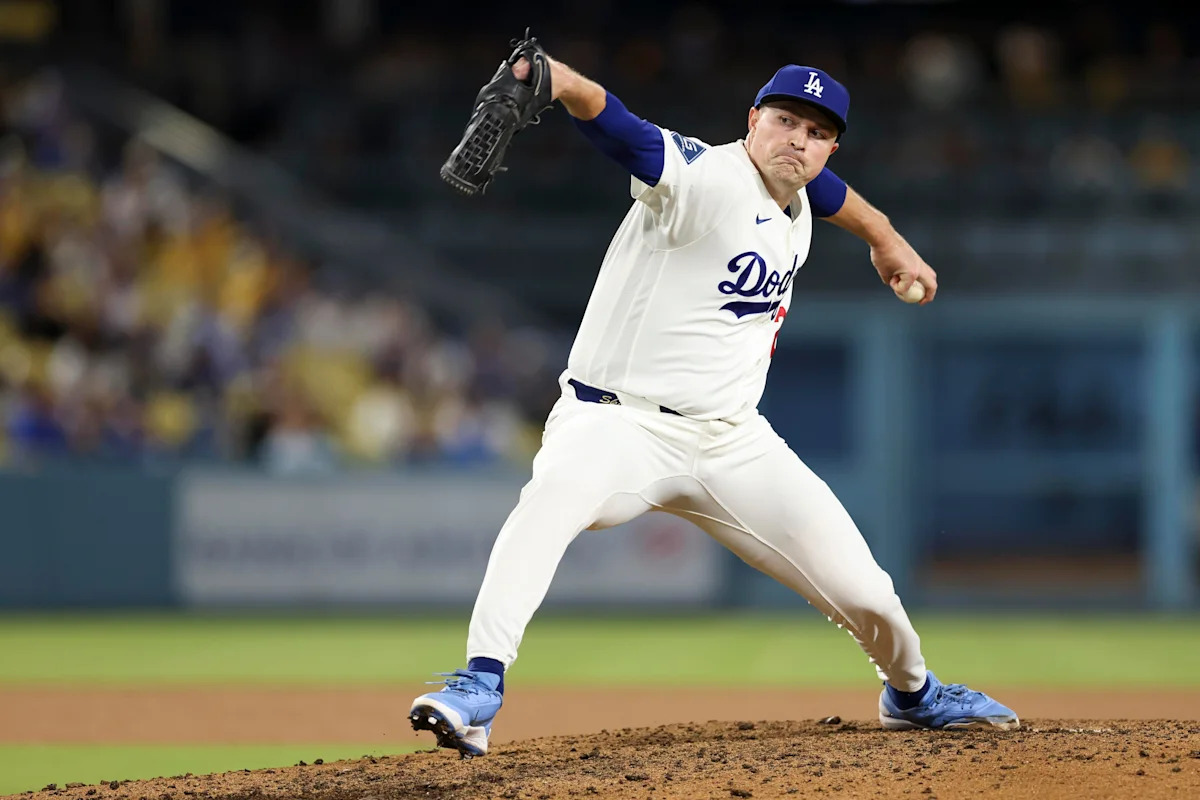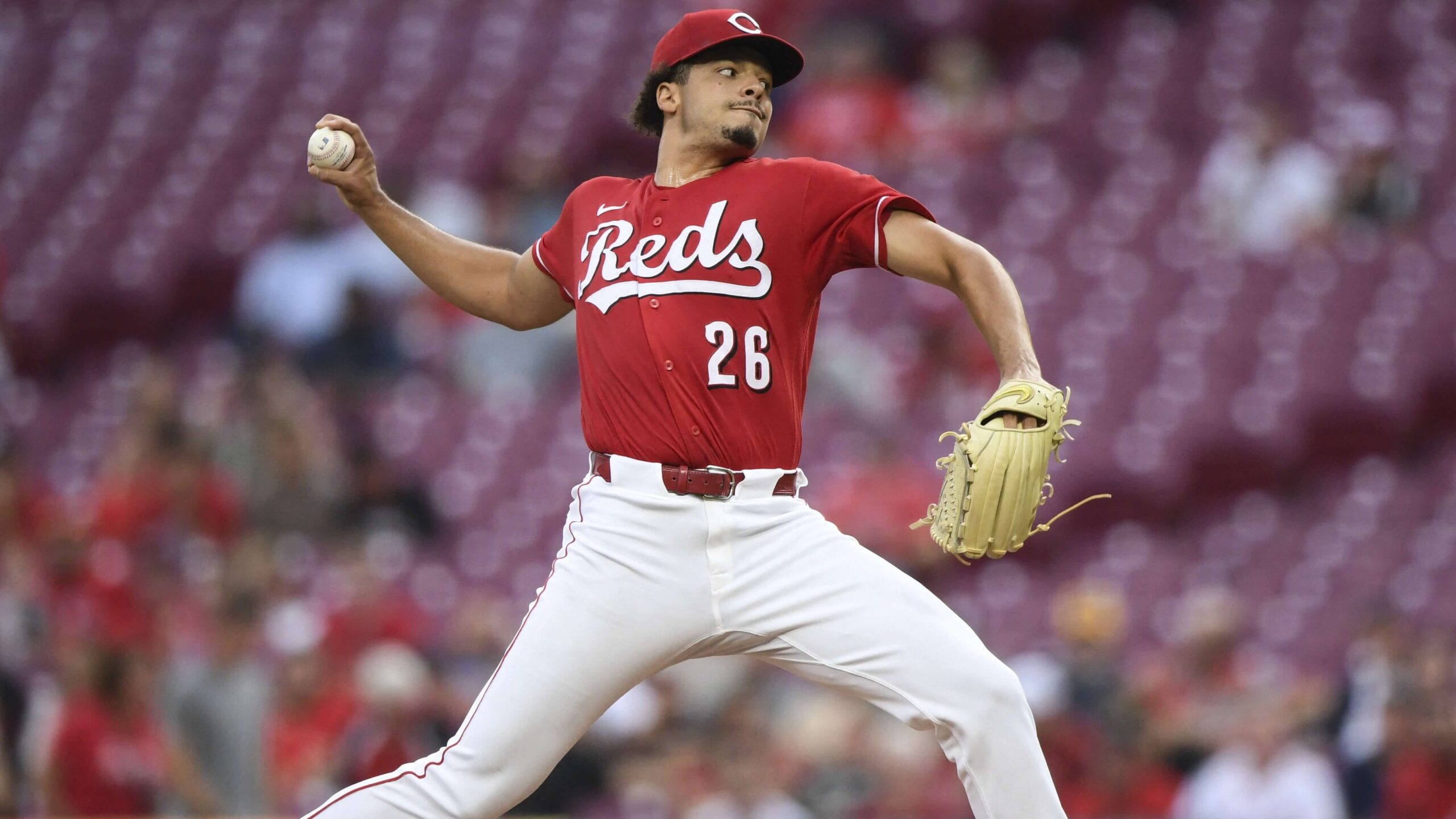
The upcoming interaction between the Los Angeles Dodgers and the Cincinnati Reds constitutes a significant scheduling anomaly: a seven-game saturation over an 11-day window. This high-frequency exposure functions as a mid-season stress test, requiring rapid tactical recalibration for a Dodgers organization currently navigating acute roster volatility and a 17-game divisional cushion.
Systemic Vulnerabilities: The Ohtani Variable
Central to the Dodgers’ operational stability is the physical status of Shohei Ohtani. His absence from four consecutive games—attributed to a multi-site injury profile involving the knee, biceps, and neck—has created a void in the lineup’s leverage. Analytical data suggests his .137 batting average over his last 13 appearances was a trailing indicator of these mechanical inefficiencies, likely exacerbated by lingering physical distress.
The loss of Ohtani’s production is compounded by the re-placement of catcher Dalton Rushing on the Injured List and the intermittent availability of Max Muncy. These personnel shifts exert systemic pressure on the bench, forcing the organization to rely on secondary depth during a period of maximum competitive density.
Pitching Mechanics: Bulk Models vs. Ace Dominance
To preserve bullpen integrity during this compressed cycle, the Dodgers have opted for a “bulk inning” model, recalling Emmet Sheehan to absorb high-stress frames. This strategic pivot acknowledges the exhaustion of the primary rotation and aims to bridge the gap to high-leverage relievers. However, Sheehan’s recent performance variance introduces significant risk when compared to Cincinnati’s counter-strategy.
The Reds enter the series with optimized momentum, starting All-Star Chase Burns (15-3, 2.79 ERA). Burns represents a stabilized asset capable of exploiting a depleted Dodgers lineup. Market assessments currently assign Cincinnati a 39% win probability for the opener, a figure that reflects the narrowing delta between the Dodgers’ talent ceiling and their current operational health.
Strategic Exposure and Familiarity Bias
A secondary consequence of the seven-game schedule quirk is the “familiarity bias” inherent in repeated matchups. For instance, the scheduled rotation of Tarik Skubal and Nick Lodolo forces the Dodgers to adjust platoon advantages on abbreviated cycles. The prospect of Skubal starting twice within this 11-day window increases the risk of hitter optimization, as Cincinnati’s lineup gains sophisticated data on his sequencing and release points.
Furthermore, the Labor Day scheduling—moving the first pitch to 6:10 p.m. at Dodger Stadium—is a calculated move to maximize broadcast reach across SportsNet LA and KTNQ 1020 AM. While this serves institutional revenue goals, it truncates the recovery window for a roster already struggling with physical durability.
Conclusion: Organizational Resilience
This series transcends standard regular-season play; it is an exercise in resource management. The outcome depends on whether the Dodgers can leverage their standings advantage to absorb Sheehan’s developmental starts and Ohtani’s convalescence, or if the Reds’ current three-series winning streak will transform this scheduling anomaly into a significant power shift in the National League.