Strategic Realignment in MLB Broadcast Rights
The transition of the ‘Sunday Night Baseball’ franchise from ESPN to NBC represents a pivotal shift in MLB’s media distribution strategy. This migration reflects an industry-wide trend toward integrating legacy sports properties into diversified network portfolios to maximize audience reach and cross-platform advertising efficiencies.
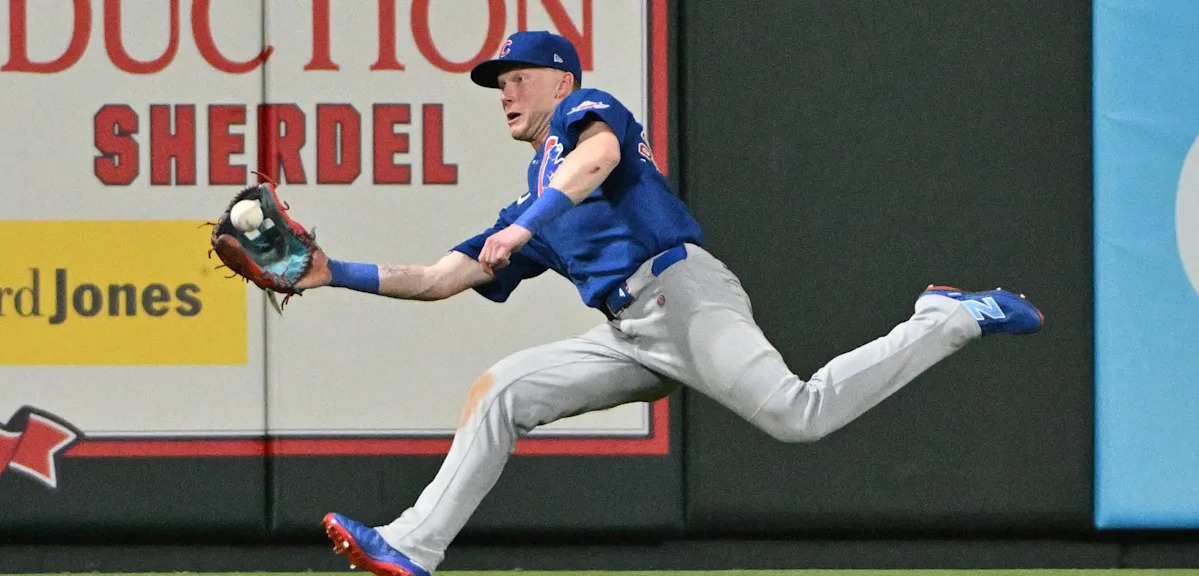
For the Chicago Cubs and St. Louis Cardinals, this broadcast change underscores the commercial value of a rivalry spanning three centuries. By moving to NBC, the league aims to modernize the presentation of marquee matchups, transitioning from cable-exclusive models toward broader network-tier exposure.
Operational Dynamics at Busch Stadium
The upcoming matchup features critical performance implications. The Cubs (32-27) face a Cardinals squad (30-26) characterized by early-season consistency. The pitching duel between Matthew Liberatore and Jordan Wicks highlights the volatility of mid-season roster management, as both organizations navigate rotation depth and injury recovery.
Statistical profiles reveal systemic challenges for both teams. The Cubs’ 1-4 road record on Sundays suggests potential fatigue or logistical hurdles, while their 12 come-from-behind wins highlight resilience in late-inning execution. Conversely, their inability to prevent opponents from scoring first in 21 losses indicates a lingering vulnerability in starting pitching stability.
Market Parity and Betting Analytics
With St. Louis entering as a -117 favorite, the betting market reflects the historical equilibrium of this rivalry. Given their 51% win rate over 2,500 meetings, the Cubs remain a competitive force, reinforcing the matchup’s status as a premier national asset. Data-driven tools, such as the SportsLine Projection Model, continue to influence institutional decision-making, providing granular win-probability metrics that guide both front-office strategy and fan engagement.
The Evolution of Media and Fan Retention
The shift to NBC signifies more than a channel change; it marks an evolution in how MLB manages high-value content. As the league pivots to new production environments, it must balance innovation with the cultural continuity expected by long-term fans. The enduring popularity of broadcast traditions—such as interactive games and community engagement—demonstrates that fan loyalty remains rooted in the shared experience, independent of the network platform.
Long-Term Institutional Outlook
As the 2026 season progresses, performance metrics will dictate each franchise’s leverage in future media rights negotiations. By ensuring that high-stakes rivalries receive premium placement, MLB is actively reinforcing brand equity in an increasingly fragmented digital media ecosystem. For the Cubs and Cardinals, success on the field is no longer just about division standings; it is fundamental to their stature within the league’s evolving commercial landscape.