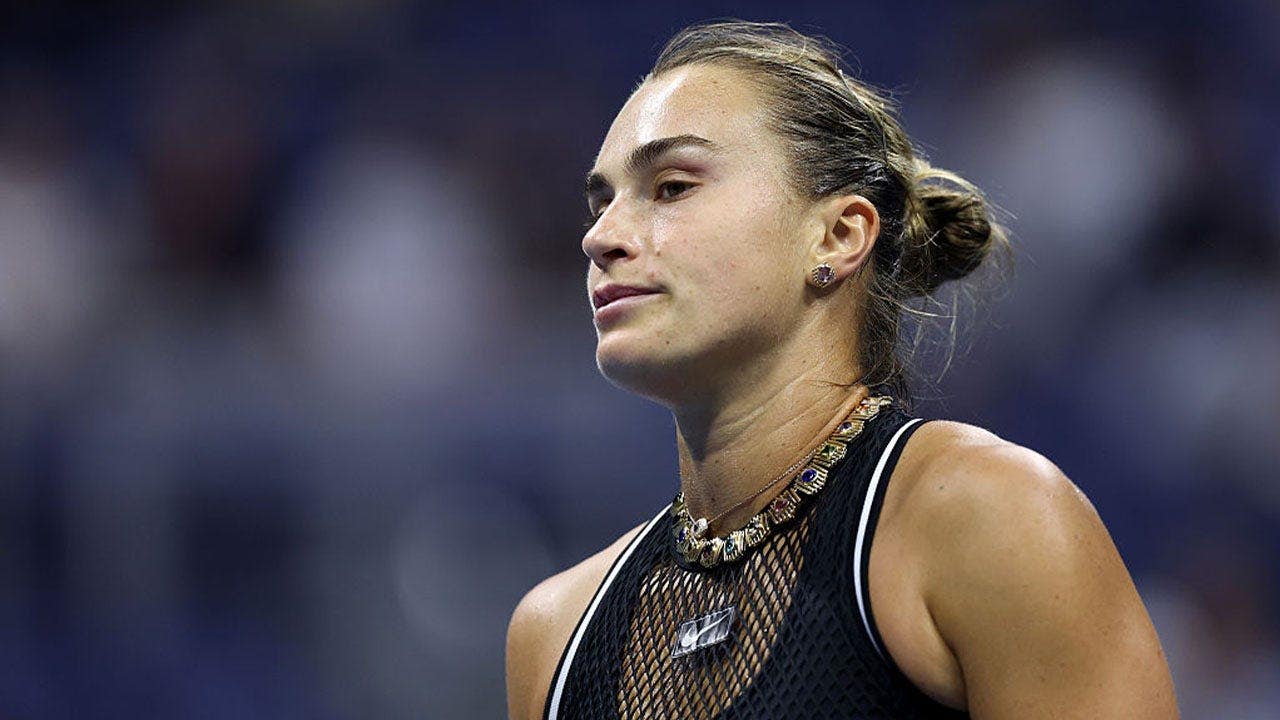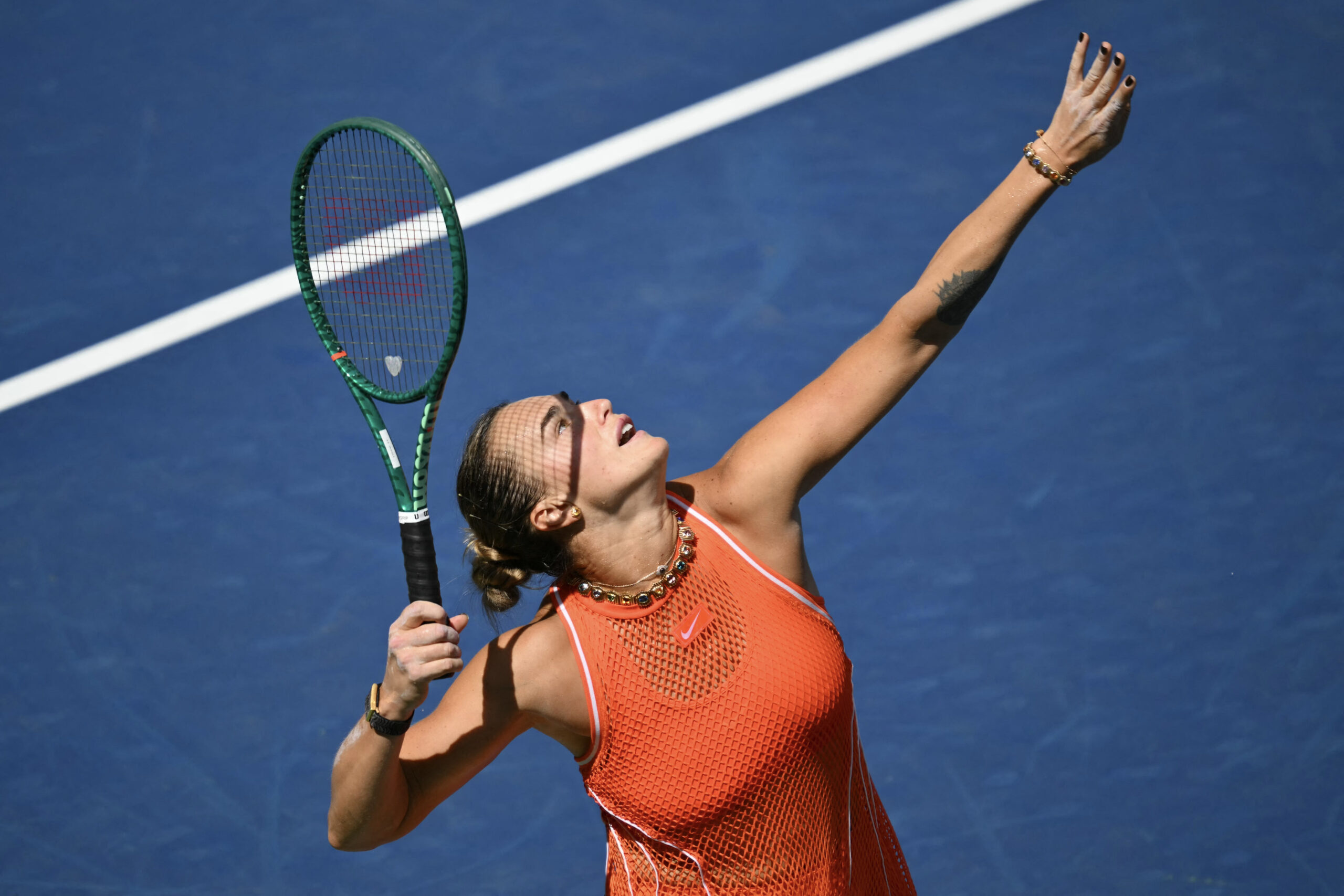
The intersection of elite athletic performance and modern media scrutiny crystallized at the 2026 US Open when World No. 1 Aryna Sabalenka addressed reporters following her straight-sets victory. The press conference quickly shifted from her on-court execution to inquiries regarding off-court commercial commitments and lifestyle choices. This exchange highlighted the complex operational environment professional tennis players navigate, where brand obligations and rigorous Grand Slam preparation continuously intersect.
Sabalenka directly challenged the premise of questions questioning her scheduling priorities. By emphasizing her structured training regimen, she rejected the implication that commercial appearances compromise her competitive readiness. The interaction underscores the persistent friction between media narratives fixated on external lifestyle factors and elite athletes prioritizing performance metrics and tournament execution.
The Psychological Evolution to Dominance
Reflecting on her ascent to the summit of professional tennis, Sabalenka analyzed the perceptual shift required for sustained success at the highest level. The four-time Grand Slam champion acknowledged that reaching the World No. 1 ranking once seemed unattainable during her early career. This retrospective assessment illustrates the psychological and technical maturation necessary for a player to transition from a promising contender into a dominant force.
Sustaining dominance across major tournaments requires continuous adaptation beyond raw athletic output. Sabalenka noted that defending elite titles demands disciplined decision-making, emotional composure, and tactical versatility to withstand the physical and mental attrition of deep Grand Slam runs.
Competitive Momentum at Flushing Meadows
Sabalenka advanced deeper into the 2026 US Open following a 6-3, 6-4 victory, extending her active winning streak at Flushing Meadows to 16 matches as she pursues a third consecutive title in Queens. This statistical consistency reinforces her apex position in the sport despite external distractions.
The broader professional tennis ecosystem continues to grapple with external variables, including audience disruptions and intense scheduling scrutiny during major events. Successfully neutralizing these operational and media-driven distractions remains a core competency for athletes operating under the intense spotlight of Grand Slam competition.