
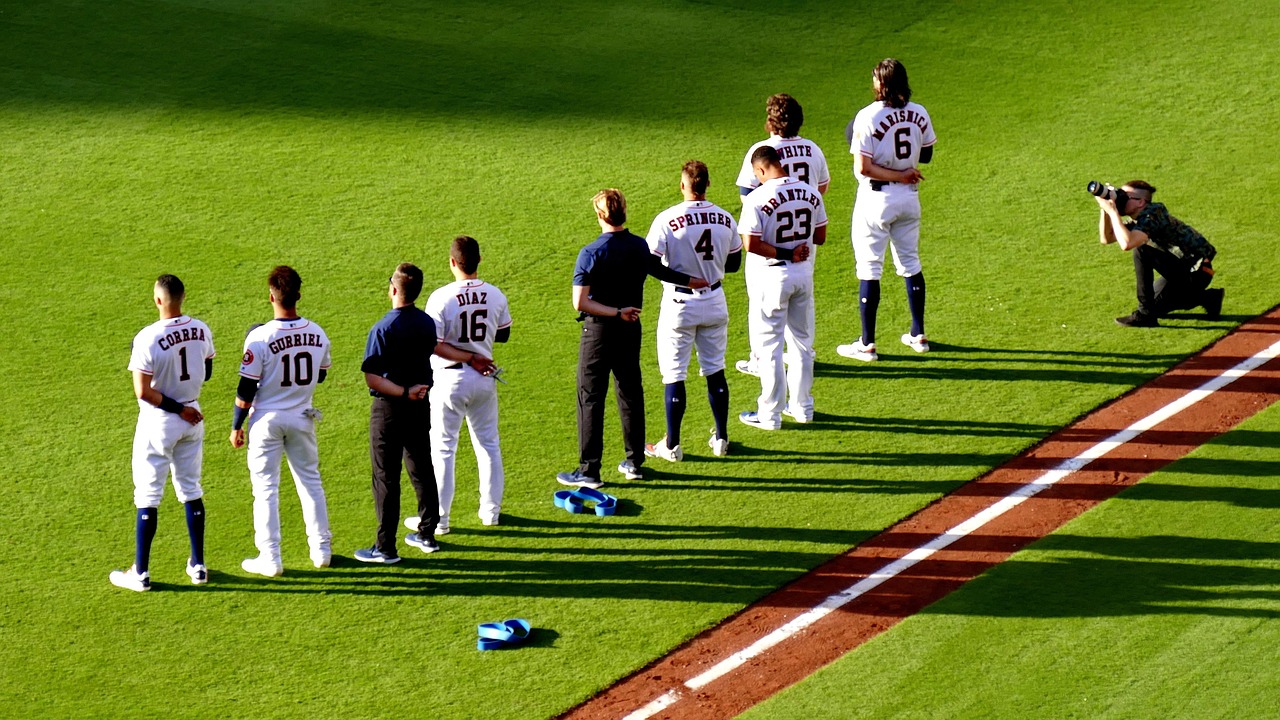
The Deconstruction of High-Leverage Redundancy
The Houston Astros’ bullpen architecture, traditionally characterized by high-velocity reliability, is currently enduring a structural crisis localized in the performance collapse of Bryan Abreu. Once the cornerstone of the organization’s ‘dual-closer’ strategy, Abreu’s inability to stabilize the late innings during Josh Hader’s absence has transitioned from a statistical anomaly into a systemic risk. This failure undermines the bullpen’s operational redundancy, designed to insulate the pitching staff against top-tier injuries.
The Velocity-Execution Paradox
Despite internal metrics indicating a recovery in Abreu’s average velocity, his 22.63 ERA over a high-leverage 2.67-inning sample highlights a catastrophic breakdown in pitch sequencing and location. This divergence suggests that while the physical tools remain intact, the lack of deceptive movement and command has rendered his high-speed offerings vulnerable to elite hitters. For the Astros, this technical regression necessitates a tactical reassessment of their relief hierarchy, as their most physically gifted asset has become their greatest defensive liability.
Financial Depreciation and Market Leverage
Abreu’s current struggles carry profound implications for his fiscal trajectory. Entering a period where he was projected to command premium market value, his performance volatility has effectively eroded his bargaining leverage for upcoming arbitration or extension negotiations. For the franchise, this creates a complex valuation dilemma: whether to treat this regression as a buy-low opportunity or a signal for organizational pivot. The erosion of Abreu’s ‘untouchable’ status directly impacts Houston’s luxury tax flexibility and long-term roster construction.
The Domino Effect on Relief Ecosystems
The absence of Josh Hader—sidelined by a left shoulder capsule strain—has exposed a lack of depth previously masked by top-heavy talent. Without Hader’s anchor and Abreu’s reliability, the workload has cascaded onto middle-relief arms, forcing them into high-stress optimizations for which they are ill-equipped. This systemic overextension risks cumulative fatigue and secondary performance degradation across the entire relief corps, threatening the Astros’ competitive standing in a high-margin American League West.
Strategic Conclusion: The Path to Stabilization
The Houston Astros must now decide between internal mechanical intervention and external market acquisition. The current crisis proves that eighth and ninth-inning psychological demands are not easily replicated by velocity alone. Whether through a tactical reset in the minor leagues or a trade-market pursuit of veteran stability, the front office must address the vacuum in the relief hierarchy to salvage the 2025 campaign and protect the team’s long-term championship window.
Cover photo by epicsoftwaregroup on Pixabay.