The Function of Prognostication in the NFL Ecosystem
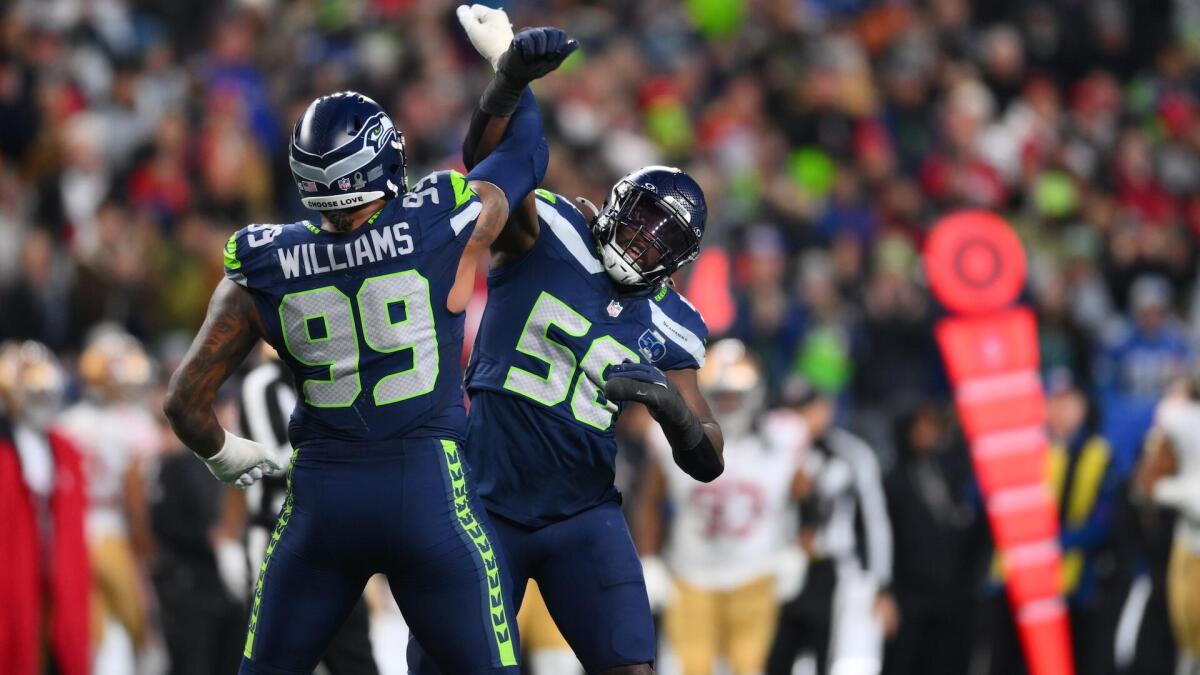
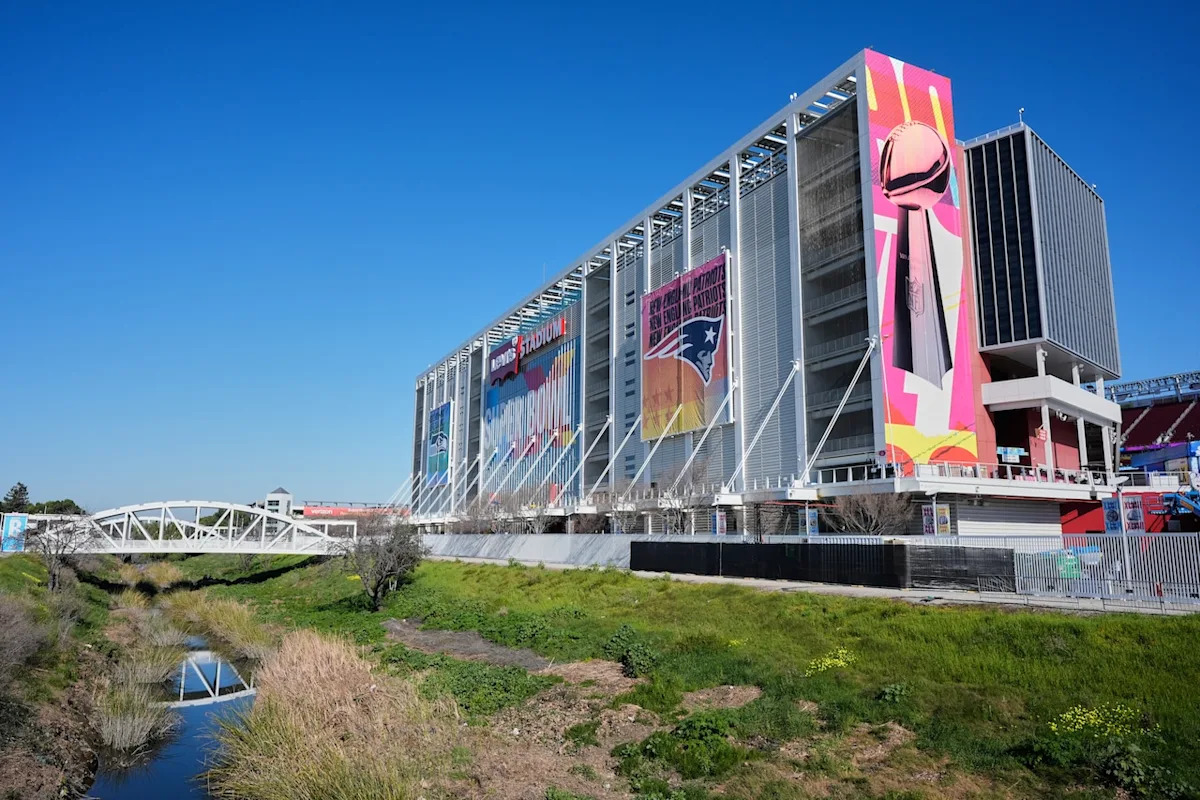
Analysis drawn from multiple prominent media outlets indicates a professional consensus favoring the Seattle Seahawks in the upcoming Super Bowl LX against the New England Patriots. While sources acknowledge that the matchup appears inherently close when assessed purely on statistical metrics and positional comparisons, a clear organizational favorite has emerged within the predictive market.
This widespread prognostication, featuring detailed breakdowns from sources including CBS Sports writers Jordan Dajani and Jared Dubin, alongside staff analysis from The Ringer, demonstrates the institutional weight placed upon expert forecasts in modern professional sports coverage. These predictions serve not merely as speculation but as structured editorial content designed to guide public anticipation and frame pre-game dialogue.
Media Strategy and the Architecture of Sports Analysis
Establishing Consensus Amidst Uncertainty
The specificity embedded within high-stakes predictions is a defining characteristic of advanced sports journalism. The detailed projection of a 24-16 victory margin for the Seahawks, coupled with the explicit naming of a specific player—Jaxon Smith-Njigba—as the predicted Most Valuable Player (MVP), moves the analysis beyond simple directional guidance into a high-density, authoritative editorial statement.
This approach addresses the consumer demand for granular insight, positioning the media outlet as possessing unique interpretative authority regarding potential game flow and critical performance factors. The consensus formed around a favored outcome, despite the acknowledged parity of the teams “on paper,” reflects a collective reading of current performance trends and potential strategic mismatches identified by the expert panels.
The Commercial Imperative of Narrative Framing
Professional media organizations strategically deploy narrative devices to elevate championship contests from mere athletic events into broader cultural touchstones. The incorporation of philosophically resonant quotes—such as Vince Lombardi’s reflection on resilience and the reference to revenge, attributed to a French novelist—serves to imbue the upcoming competition with profound historical or mythical weight.
This rhetorical elevation is crucial for engagement, transforming the contest into a compelling cultural event that maximizes audience reach across various platforms. The manufactured narrative creates context for media monetization, generating sustained click traffic and editorial dialogue throughout the critical weeks leading up to the league’s championship final.
Institutional Implications for the League and Franchises
The Influence of External Analysis on Perception
Pre-game analysis, while non-binding on the outcome, contributes significantly to the institutional atmosphere surrounding the National Football League’s culminating event. These pervasive media narratives influence fan expectation, shape betting market dynamics, and implicitly frame the perceived pressure applied to the participating franchises.
The identification of specific star players for potential MVP honors, such as Jaxon Smith-Njigba, aligns with the league’s strategic objective of marketing individual talent and high-profile performances. This focus on star power is an essential element of the NFL’s global outreach and its capacity to maintain cultural relevance independent of specific team loyalties.
Governance of Information Flow in a High-Stakes Environment
The sector of predictive analysis operates in a structured but independent relationship with the highly controlled public relations environment of the NFL. Media products like these forecasts function as necessary analytical intermediaries, providing external scrutiny and specialized interpretation required by the public, operating under the assumption of fair and transparent competition governed by institutional league oversight.
The rigorous, attributed nature of these predictions satisfies the modern audience’s expectation for professional, dense informational content, establishing sports analysis as a highly specialized, formalized editorial category. This process reinforces the appearance of objective analysis derived from accessible public metrics, even as the ultimate conclusions remain conjecture.
Market Positioning and Media Differentiation
The Role of Dissent and Consensus in Maintaining Editorial Authority
For high-authority media organizations, the annual Super Bowl prediction cycle is a high-visibility demonstration of market competitiveness. Maintaining editorial authority requires a delicate balance: acknowledging potential closeness protects analytical credibility if the favorite fails to win, while confidently selecting a consensus favorite validates the expertise if the prediction holds true.
This dual strategy—recognizing parity while asserting a decisive pick—is a structural necessity in sports prognostication, ensuring that the outlet retains trust regardless of the final score. The explicit attribution to diverse sources (CBS, The Ringer) reinforces this multi-sourced approach, projecting a robust, synthesized editorial finding rather than an isolated opinion.
Historical Continuity and Narrative Leverage
The Super Bowl matchup featuring the New England Patriots and the Seattle Seahawks, irrespective of contemporary roster changes, invokes deep institutional memory within the NFL’s structured narrative. Both franchises possess recent histories defined by consequential championship appearances, providing rich cultural context that analysts leverage to deepen their projections.
The integration of thematic elements, such as the quote referencing “revenge,” suggests that external analysis seeks to connect the current athletic conflict to inherited professional rivalries or historical institutional dynamics. This narrative strategy ensures that the event draws on a history larger than the immediate season, maximizing audience investment and emotional resonance.
The Cultural Weight of Super Bowl LX
The Super Bowl transcends the boundaries of a championship game; it stands as a cornerstone global media event and a preeminent commercial platform. Consequently, media prognostication is not merely informational output but a foundational component in structuring the shared cultural experience of the event.
The meticulous process of prediction validates the event’s economic and institutional importance, ensuring that anticipation reaches maximum saturation among all stakeholders—from advertisers to global media rights holders. By diligently providing dense, authoritative, and narrative-rich pre-game content, the media ecosystem structurally supports the league’s primary economic objective of maximizing championship viewership and associated commercial value.
It is structurally important to reiterate that these professional forecasts are commercial editorial products based on expert interpretation and public data, distinct from proprietary team information or formal institutional regulatory findings. The expressed confidence in the Seahawks reflects a sophisticated reading of the available public performance indicators, serving as the industry standard for high-level championship coverage.