The Milwaukee Brewers’ qualification for the 2026 World Series marks the franchise’s first pennant in 44 years, reigniting structural disputes over Major League Baseball’s economic model. Featuring two designated small-market clubs in the Fall Classic, the matchup has intensified calls from ownership groups for a formal salary cap while triggering warnings from the Major League Baseball Players Association (MLBPA) of a potential collective bargaining impasse and future lockout.
Milwaukee’s return to the championship stage establishes a measurable empirical baseline for assessing franchise capitalization since its 1982 American League pennant. The financial disparities between those eras illustrate how competitive window management, media market tiering, and hyper-concentrated payrolls dictate modern sports enterprise strategy.
The Payroll Divergence: 1982 vs. 2026
Data from Spotrac records the 2026 Brewers’ 26-man active payroll at $140.7 million, excluding signing bonuses. Although this allocation sits in MLB’s bottom half—dwarfed by market leaders such as the Los Angeles Dodgers—it represents an unprecedented organizational outlay in historical context.
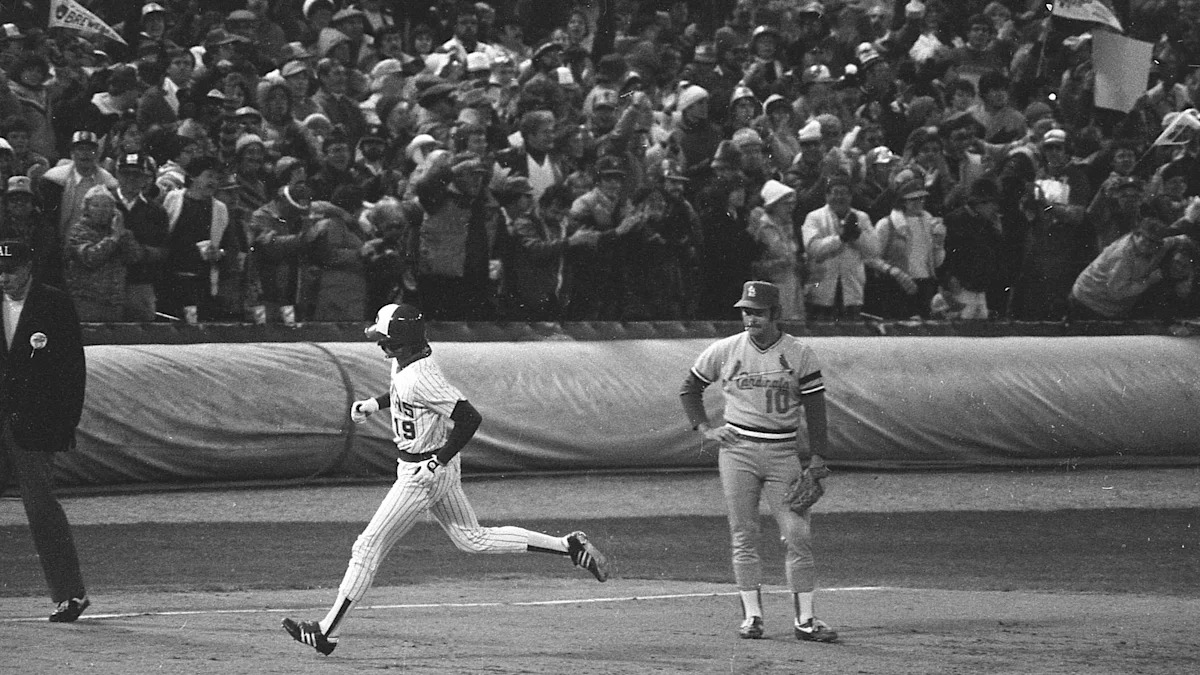
According to Baseball Reference and The Baseball Almanac, the 1982 American League champion Brewers carried a cumulative payroll of roughly $6.4 million. First baseman Cecil Cooper and catcher Ted Simmons anchored that financial structure, each earning approximately $1 million as top-tier earners.
By contrast, nominal wage inflation has elevated seven individual 2026 Brewers past the entire 1982 roster’s combined earnings: Christian Yelich ($26 million), Brandon Woodruff, Dustin May, Antonio Senzatela, William Contreras, Andrew Vaughn, and Jackson Chourio. Even when adjusting 1982 compensation for broad economic inflation, Yelich’s individual contract exceeds the previous pennant-winning roster’s total real payout, underscoring the extreme modern concentration of capital in tier-one athletic assets.
Small-Market Asset Allocation and Labor Volatility
Advancing to the World Series on a $140.7 million payroll challenges the premise that raw spending guarantees October contention, yet it simultaneously highlights the razor-thin margin for error inherent to small-market roster construction. When mid-market franchises commit significant balance-sheet capacity to core veterans like Yelich, Woodruff, and Chourio, severe injuries or underperformance cannot be mitigated through continuous luxury-tax absorption.
This structural friction forms the core of upcoming collective bargaining negotiations. Hard-cap proponents argue that mandatory spending ceilings and floors are required to equalize operating disparities driven by local media valuations. Conversely, the MLBPA and large-market owners maintain that revenue expansion across national broadcasts, dynamic ticketing, and streaming rights validates free-market wage growth, citing Milwaukee’s 2026 pennant as proof of functional competitive parity.
Capital Infrastructure: County Stadium to American Family Field
Milwaukee’s four-decade operational evolution is mirrored in its physical infrastructure. In 1982, the club competed at open-air Milwaukee County Stadium, an asset characterized by mid-century stadium architecture and weather vulnerability.
The 2026 team operates out of American Family Field, a climate-controlled, retractable-roof venue designed to de-risk regular-season and postseason cash flows against upper-Midwest meteorological volatility. The stadium functions as an enterprise asset engine, generating the predictable gameday, hospitality, and sponsorship revenues required to service multi-year player commitments like those awarded to Contreras, Vaughn, and Senzatela.
Community Anchors Amid Corporate Scaling
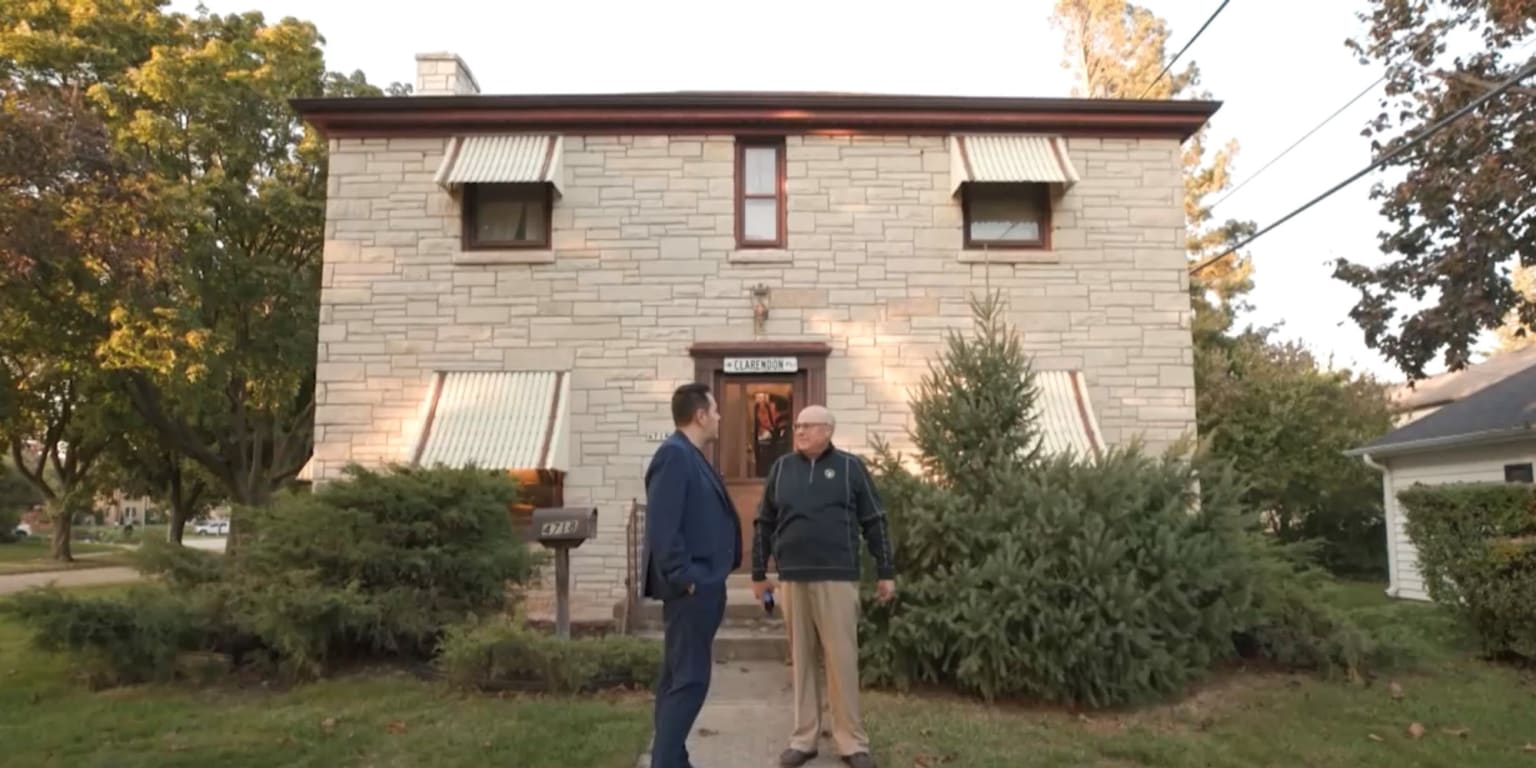
Despite the commercialization of franchise operations, sustained regional engagement provides long-term organizational stability. This generational bridge is personified by local supporters such as Bob Koehler, a resident of Milwaukee’s Story Hill neighborhood who has walked to every Brewers home game since moving adjacent to the grounds in 1986—then the site of County Stadium.
Koehler’s support began with the franchise’s arrival in 1970 and solidified into full season-ticket ownership following the 1982 World Series. Walking daily to the gates at 6:25 p.m. for 7:00 p.m. first pitches, carrying his own soda, and maintaining multi-decade relationships with venue staff, police, and franchise alumni like Carlos Gomez, Geoff Jenkins, and Ben Sheets, his routine illustrates the fan loyalty that underpins non-major market baseball economics.
Broadcasting Tactics and Small-Market Narratives
Hyper-local loyalty has become vital content for national rights-holders managing non-major-market matchups. Ahead of Game 1 of the 2026 World Series, MLB Network profiled Koehler’s walking commute from Story Hill to American Family Field, utilizing grassroots traditions to frame human-interest narratives for national audiences without large media-market teams.
These broadcasts systematically contrast 20th-century artisanal fan culture—printed physical stubs and fixed routines—with the modern sport’s dynamic pricing and automated asset monetization. Connecting the era of Cooper and Simmons to that of Chourio and May offers networks an accessible entry point while highlighting the persistent economic realities that govern small-market title contenders.