Operational Failure During Bulk Monomer Transfer
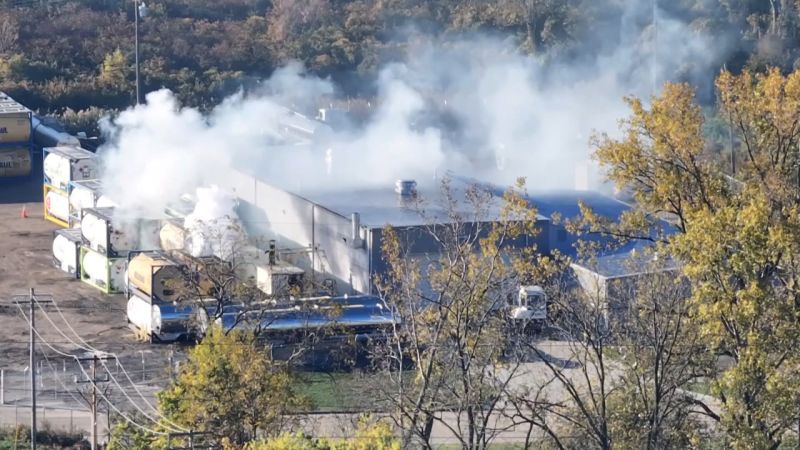
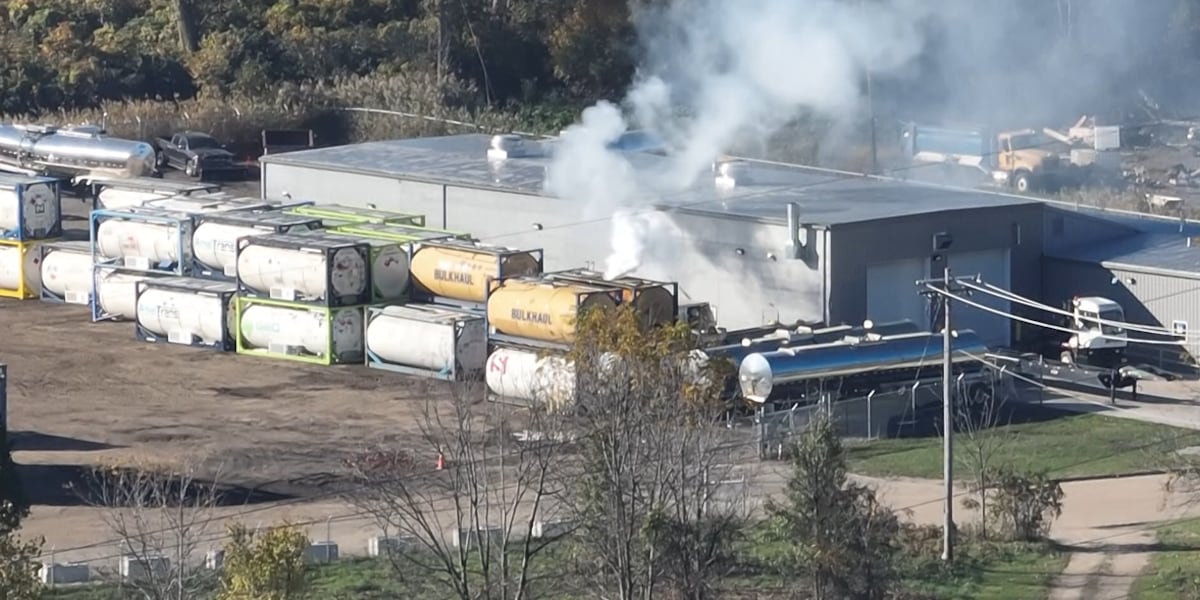
Hazardous material transloading represents an acute vulnerability within industrial supply chains, where procedural deviations interface directly with bulk containment infrastructure. An operational error during liquid transfer initiated an uncontrolled chemical destabilization at the MC Tank Transport facility located at 1266 Progress Avenue in Toledo, Ohio. Dispatched at approximately 9:30 p.m. on Tuesday, the Toledo Fire and Rescue Department encountered active pressure venting from a road transport tanker laden with glycidyl methacrylate, a reactive monomer utilized in performance plastics, surface resins, and protective coatings.
The Ohio Environmental Protection Agency (Ohio EPA) confirmed that an execution breakdown during transfer operations precipitated the incident. Transloading requires uninterrupted equilibrium across mechanical coupling, vapor containment, and pressure-relief valves. When integrity failed during product transfer, rapid self-pressurization prompted the tanker’s emergency venting systems to actuate. Because mechanical disruption or localized ignition risks precluded direct physical isolation, emergency crews faced an active atmospheric dispersion event within an urban industrial corridor.
Tactical Containment: The Thermodynamic Exhaustion Protocol
Confronted with high internal reaction pressures, incident commanders implemented a strategy of passive stabilization, allowing the monomer to vent to natural completion. Direct kinetic interventions—such as rapid mechanical cooling, external water application, or chemical neutralizing agents—carried substantial risks of inducing catastrophic thermodynamic shocks or unseating pressure-relief assemblies. By prioritizing structural containment over premature physical intervention, responders mitigated the baseline risk of explosive vessel fragmentation.
By Wednesday afternoon, continuous thermal monitoring indicated declining core temperatures, confirming that the chemical reaction had crested. Toledo Mayor Wade Kapszukiewicz reported during a 1:00 p.m. briefing that the tanker was nearing the end of its active venting cycle, allowing municipal commanders to formally rule out a catastrophic detonation. This containment-by-exhaustion methodology required absorbing temporary localized vapor emission and municipal disruption to preserve structural integrity.
Toxicological Profiles and Healthcare System Strain
Glycidyl methacrylate presents acute toxicological hazards via vapor inhalation and dermal contact. Municipal fire officials warned that exposure initiates rapid mucosal distress, causing intense burning across the eyes, nose, throat, and respiratory tract. The dispersion pattern of the plume necessitated immediate regional public health countermeasures.
Regional healthcare networks conducted diagnostic evaluations on approximately 30 individuals presenting with symptomatic chemical exposure. While emergency interventions remained focused on supportive respiratory management, the sudden patient volume tested local clinical triage protocols. Volatile organic monomer leaks rapidly externalize financial and operational strains onto municipal healthcare systems, requiring synchronized data transfers between logistics handlers, toxicologists, and clinical triage staff.
Perimeter Dynamics and Tiered Evacuation Scaling
Incident command operationalized a staged spatial defense perimeter to balance immediate life safety against regional economic paralysis:
- Initial Defensive Posture: Imposition of an expansive three-mile shelter-in-place perimeter requiring residents and businesses to seal structural apertures and terminate HVAC operation, coupled with a mandatory evacuation directive for nearly 1,000 residents closest to the Progress Avenue facility.
- Recalibrated Secondary Perimeter: Following telemetry verification of falling tank temperatures on Wednesday evening, Toledo Fire and Rescue terminated the three-mile shelter-in-place order and contracted the mandatory evacuation zone to a 0.5-mile radius.
- Population Realignment: This empirical adjustment reduced displaced individuals from roughly 1,000 to approximately 300, returning surrounding transportation and commercial assets to service while isolating the core hazard footprint.
The transition from speculative buffer zones to sensor-driven perimeter contraction demonstrates standard multi-agency command execution, reconciling public protection with urban functionality.
Regulatory Enforcement and Transloading Compliance
The Ohio EPA’s definitive identification of an operational transfer error transitions the Toledo incident from tactical emergency response to regulatory forensic examination. Bulk liquid carriers operating within municipal bounds are governed by rigorous statutory safety mandates spanning transfer-line couplings, operator training protocols, and automatic shut-off redundancies.
State investigators are auditing transloading logs, operator mechanical interventions, and safety compliance matrices to determine whether human error, mechanical component failure, or procedural bypass triggered the release. Findings from the Ohio EPA review will establish corporate administrative liability, guide operational permit reassessments for MC Tank Transport, and define potential legal exposures resulting from municipal mobilization costs and community displacement.
Systemic Hazards in Co-Located Industrial Corridors
The Progress Avenue failure isolates systemic exposures at the intersection of hazardous logistics infrastructure and metropolitan growth. Industrial zoning that places bulk transloading terminals within hundreds of yards of dense residential neighborhoods leaves zero tolerance for transfer errors. Because road tankers serve as intermediate containment vessels during transloading, mechanical or chemical failures immediately transform transit logistics into acute community crises, reinforcing the need for continuous remote telemetry, automated vapor shut-offs, and revised industrial zoning set-backs.