Princess of Wales Launches Nature-Focused Early Years Initiative
Catherine, the Princess of Wales, has spearheaded a significant project designed to enhance the social and emotional development of young children through increased engagement with nature. This initiative represents a strategic prioritization of natural environments as a cornerstone for early childhood education and wellbeing, offering a vital counterbalance to an increasingly digitized world.
The Princess emphasized that in a “tech-driven, digital age,” prioritizing outdoor time is paramount, characterizing nature as an “extraordinary environment” for holistic child development. This framing positions the project as a response to contemporary concerns regarding technology’s influence on childhood, advocating for natural experiences as a necessary complement.
This endeavor marks a new phase in Catherine’s long-standing advocacy for early years education, focusing on actionable strategies to improve children’s overall wellbeing. Her emphasis on nature’s role is informed by research demonstrating its significant positive impact on psychological and physiological health, a perspective she has personally connected to her own recovery, referring to nature as her “sanctuary.”.
The Princess has previously articulated nature’s multifaceted benefits, highlighting its restorative and developmental power. This deep-seated belief now forms the central tenet of her early years project, managed by The Royal Foundation Centre for Early Childhood.
A primary objective is to foster creativity and emotional resilience in children by integrating the natural world into their upbringing. This approach aligns with contemporary pedagogical theories that advocate for experiential learning and environmental connection as critical components of cognitive and emotional maturation.
New Portrait Released Amidst Initiative Launch
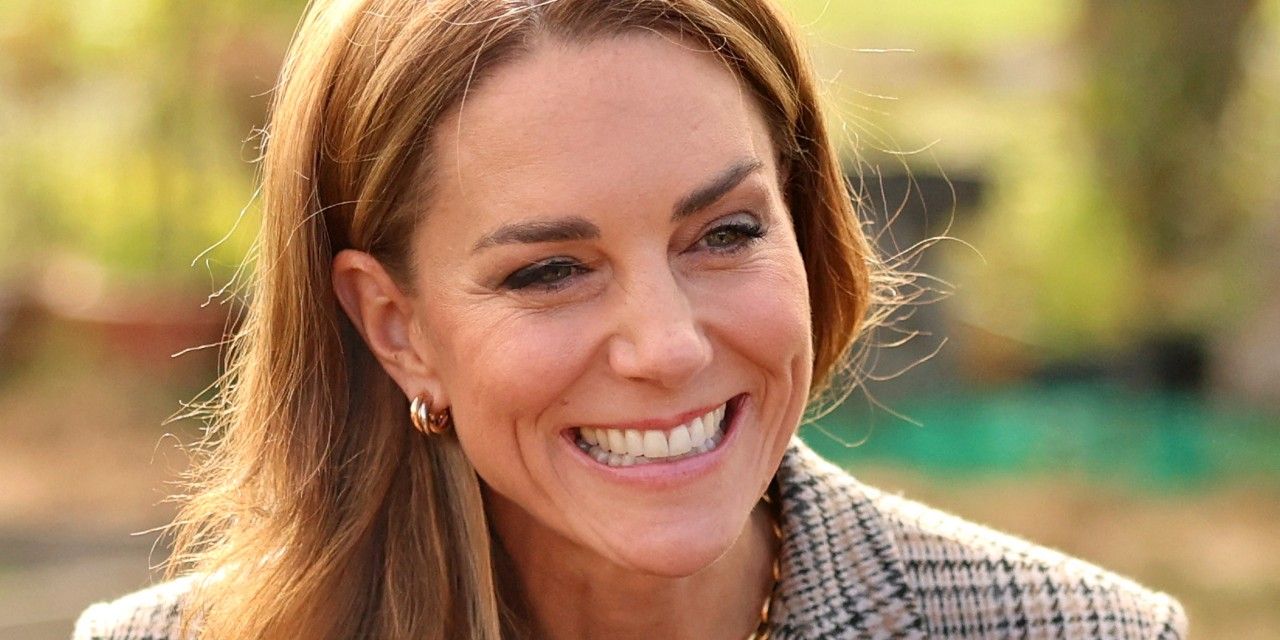
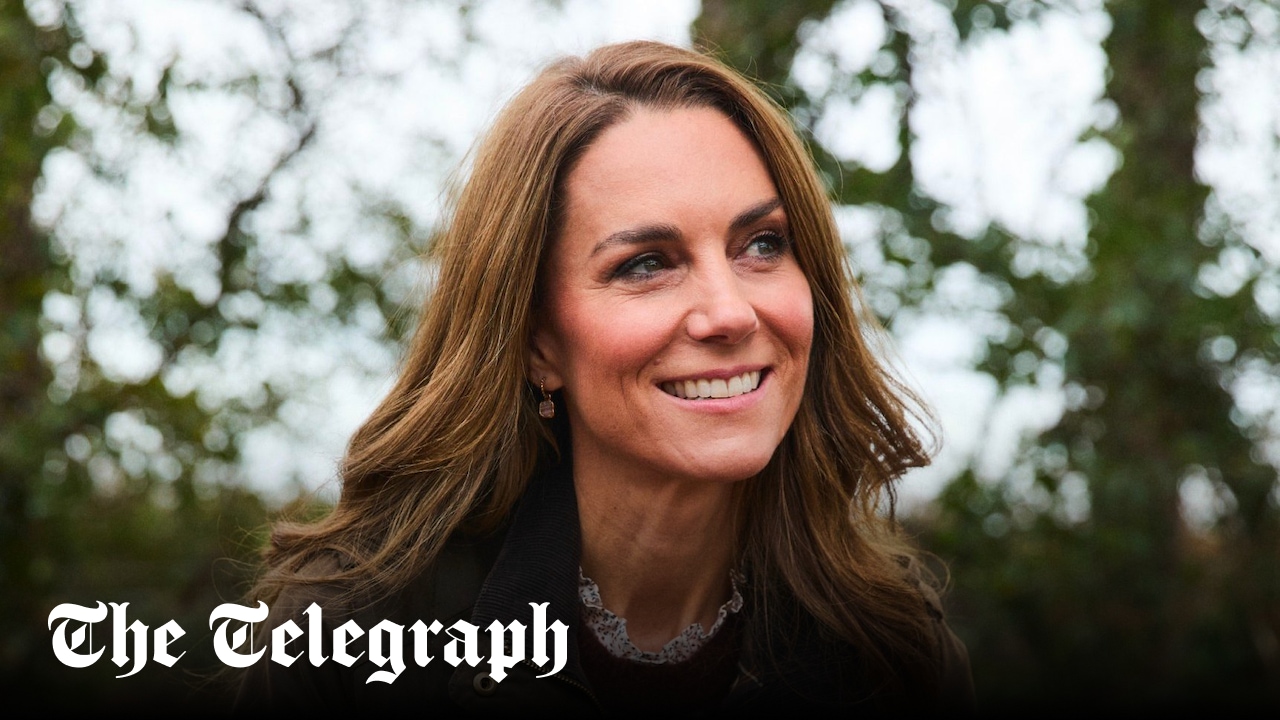
The announcement of this new early years initiative on October 16, 2026, coincided with the release of a new portrait of the Princess of Wales. This portrait was taken during a discreet visit to Cornwall with Prince William.
The timing of the portrait’s release alongside the initiative’s announcement suggests a calculated media strategy to amplify the Princess’s work and draw attention to her early years advocacy through visually engaging content, thereby enhancing public engagement.
The visit to Cornwall on September 24, 2026, was notably timed to occur during a high-profile public appearance by Prince Harry and Meghan Markle in Nottingham. This strategic choice allowed the Princess of Wales and Prince William to maintain a distinct narrative, highlighting their commitment to their respective philanthropic endeavors without direct comparison.
The release of the portrait and an accompanying video on October 16, 2026, was designed to capture public attention and build momentum for the Princess’s early years agenda, using a blend of personal imagery and substantive policy-oriented work to strengthen her philanthropic profile.
Duchy of Cornwall Partners with Royal Foundation
The new project, focusing on the benefits of outdoor time for babies and young children, is being launched by The Royal Foundation Centre for Early Childhood. It is significantly supported by the Duchy of Cornwall, signifying institutional endorsement and expanded collaboration for the Princess’s early years work.
The Duchy of Cornwall’s involvement as a “founding partner” demonstrates a substantial commitment, uniting “evidence, expertise, and practical experience” from global sources. This partnership aims to provide robust validation for parents and caregivers regarding the essential need for children to spend time outdoors.
This collaboration marks the first instance where the Prince of Wales’s estate has directly supported the Princess’s specific focus on the early years sector, leveraging the Duchy’s infrastructure to lend institutional weight and resources to her developmental agenda.
The initiative seeks to underscore the critical role of nature in children’s wellbeing and explore environmental influences on upbringing. By pooling resources and expertise, the project aims to develop a comprehensive evidence base to inform policy and public awareness campaigns, reinforcing the importance of outdoor play in early childhood development.
Strategic Implications of Nature-Based Early Childhood Development
Catherine’s campaign to elevate early years education and enhance children’s wellbeing through nature-based approaches represents a strategic investment in long-term societal capital. By concentrating on foundational developmental stages, the initiative aims to yield compounding benefits in educational attainment, mental health, and future societal productivity.
The framing of nature as a “sanctuary” and a source of “holistic benefits” elevates this initiative beyond mere recreation, positioning outdoor engagement as a therapeutic and developmental necessity. This aligns with the growing global discourse on mental health and the impact of environmental stressors on human development.
The involvement of The Royal Foundation Centre for Early Childhood and the strategic partnership with the Duchy of Cornwall establish a robust institutional framework. This structure is designed to ensure project sustainability and scalability, transitioning from advocacy to tangible, evidence-based interventions with broader applicability.
The Princess’s personal narrative, linking her own recovery to nature’s healing power, adds authenticity and emotional resonance, potentially influencing public perception and encouraging wider adoption of nature-based practices by families and educational institutions.
The initiative’s focus on a “tech-driven, digital age” highlights a critical tension between modern lifestyles and fundamental human developmental needs. By advocating for a return to nature, the project seeks to rebalance societal priorities, emphasizing the intrinsic value of natural environments for human flourishing.
This strategic direction positions the Princess of Wales as a leading advocate for a paradigm shift in early childhood development, integrating environmental consciousness with psychological and physiological wellbeing. The initiative’s success could influence future educational policies and parental guidance, establishing a lasting legacy for early years care.
The project’s ambition to “bring together evidence, expertise, and practical experience” indicates a commitment to a rigorous, data-driven approach. This methodology is crucial for building credibility and ensuring that derived recommendations are both effective and widely applicable, maximizing national and international impact.
Highlighting nature’s benefits for emotional growth and creativity taps into an evolving understanding of child development, moving beyond purely academic metrics to encompass emotional intelligence, resilience, and imaginative capacity—qualities vital for success in a complex world.
By defining nature as an “extraordinary environment,” the Princess promotes not only outdoor activities but also a deeper appreciation for the natural world, fostering environmental stewardship from an early age and linking personal wellbeing with ecological responsibility.
The strategic decision to involve the Duchy of Cornwall, a significant landholding entity, provides a practical platform for implementing and testing nature-based interventions. This hands-on involvement can bridge the gap between theoretical research and real-world application, offering tangible examples of integrating nature into children’s lives.
The initiative’s focus on babies and very young children is particularly impactful, as this period represents a critical window for establishing lifelong patterns of behavior and wellbeing. Interventions at this stage hold the potential for the most profound and enduring positive effects on an individual’s life trajectory.
The Princess’s campaign is poised to influence public discourse on parenting, education, and the environment’s role in human development. It has the potential to shift cultural norms and encourage greater investment in green spaces and nature-based learning opportunities for children.
This project also serves to enhance the public profile and philanthropic impact of The Royal Foundation Centre for Early Childhood. By focusing on a universally relevant and increasingly recognized area of need, the Centre can solidify its position as a key driver of positive change in early years policy and practice.
The strategic use of a discreet visit to Cornwall, contrasted with more prominent public events, demonstrates a nuanced approach to media management, allowing for focused attention on substantive work while maintaining public interest through personal narrative.
The initiative’s success hinges on its ability to translate research and expertise into actionable advice for parents and educators. The partnership with the Duchy of Cornwall offers a unique opportunity to pilot and demonstrate practical applications, enhancing the project’s real-world relevance and influence.
Ultimately, Catherine’s advocacy for nature-based early childhood development represents a forward-looking strategy addressing contemporary challenges by drawing on timeless principles of human connection with the natural world, aiming to build a foundation for healthier, more resilient, and more creative future generations.