Lucasfilm and parent company Walt Disney Studios are strategically recalibrating their marquee cinematic property with Star Wars: Starfighter, slated for theatrical release on May 28, 2027. Directed by Shawn Levy, this feature marks the franchise’s second theatrical outing following a seven-year operational pivot toward streaming platforms, arriving just over a year after The Mandalorian & Grogu.
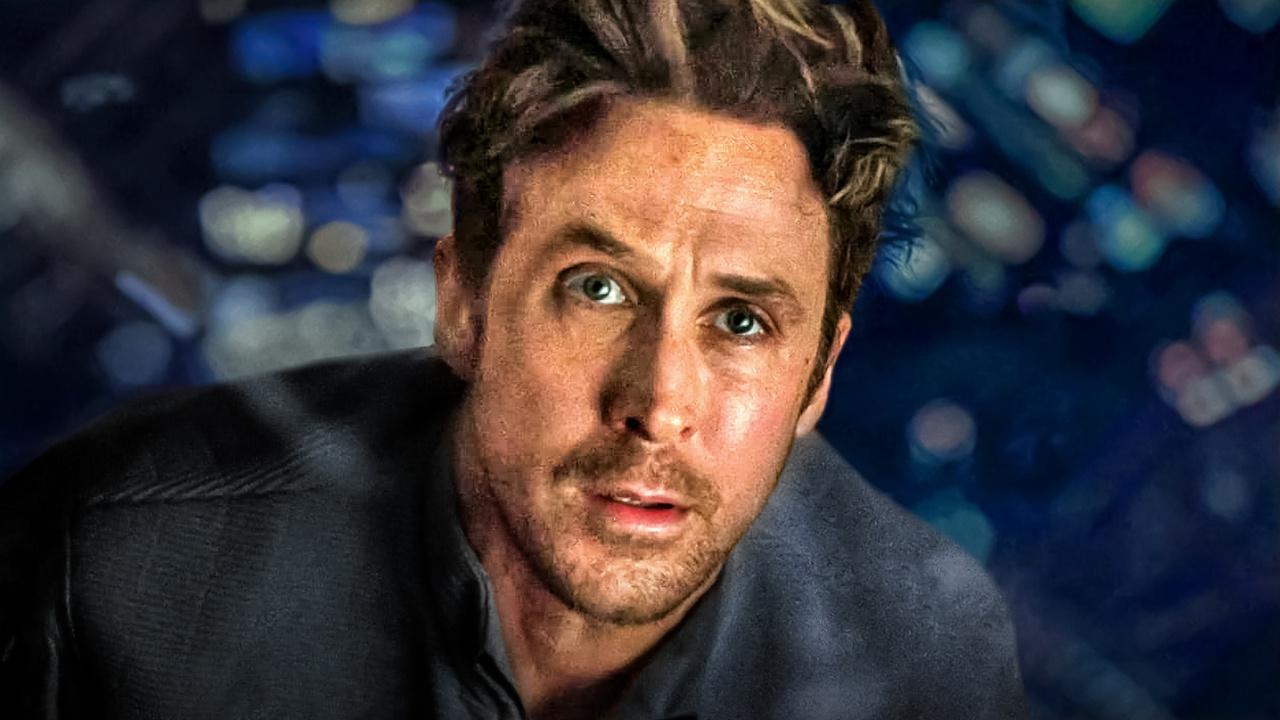
The production introduces an explicit narrative and mechanical departure from established historical canon, a fact confirmed through footage privately screened at Disney’s D23 Expo in August. During this exclusive preview, lead actor Ryan Gosling portrays pilot Kade Auberon, who provocatively identifies his vessel—a decommissioned G17 Imperial Reaper—as the fastest starfighter ever constructed.
Shattering Canon: The G17 Reaper’s Unprecedented Speed
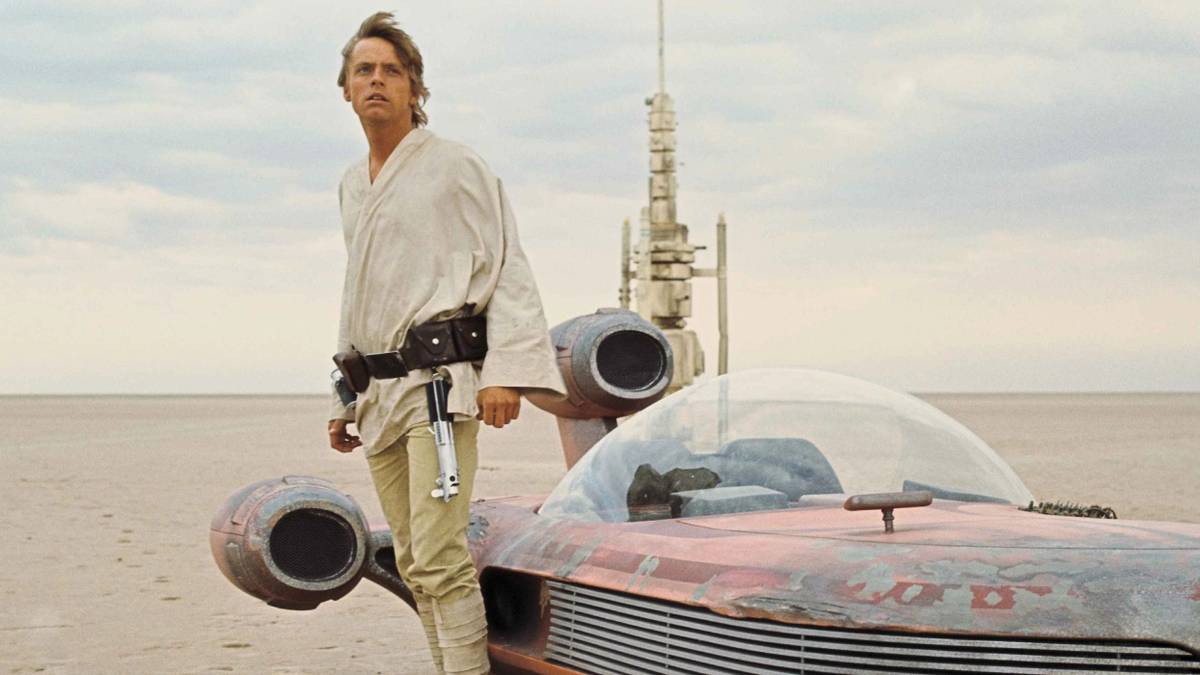
Auberon’s dialogue definitively establishes a new apex within fictional spacecraft architecture. By classifying the decommissioned G17 Imperial Reaper as the fastest starfighter ever built, the narrative directly eclipses all previously established speed benchmarks across 49 years of cinematic canon, fundamentally altering the perceived operational hierarchy introduced since George Lucas’s 1977 inception of the franchise with Star Wars: A New Hope.
According to an October 16 report by The Direct, the leaked D23 sequence depicts a young boy, played by Flynn Gray, discovering the concealed starfighter inside a dusty workshop. Auberon enters the space, cautions the child against touching the machinery, and subsequently ratifies the vessel’s unprecedented technical specifications and historical significance.
While unauthorized recordings briefly circulated across online social platforms, Lucasfilm executed systemic takedowns to protect the proprietary asset. Consequently, the closed-door D23 screening remains the primary factual record detailing the film’s structural context and canonical implications.
Strategic Theatrical Redeployment Amidst Commercial Pressures
The arrival of Star Wars: Starfighter signifies a pivotal institutional transition for Disney’s studio entertainment division. Following a seven-year period predominantly focused on episodic streaming, Lucasfilm is now aggressively redeploying its premier intellectual property into global theatrical exhibition. This strategic shift aims to re-establish the brand’s cinematic presence and capitalize on large-scale audience engagement.
However, this theatrical strategy confronts measurable commercial resistance. The May 2026 performance of Star Wars: The Mandalorian and Grogu registered as the lowest-grossing Star Wars theatrical release on record, highlighting audience fatigue or shifting consumption habits. This underperformance places acute financial expectations on Starfighter, as the studio attempts to validate the economic viability of full-scale theatrical investments.
Despite encompassing nine mainline films, four standalone theatrical releases, seven live-action television series, and 12 animated series across its near 50-year history, Star Wars: Starfighter is deliberately structured to inaugurate a new operating status quo, driven by its narrative and mechanical deviations from established canon.
Charting a Post-Skywalker Saga Trajectory
Narratively, the screenplay is set approximately five years after the events of Star Wars: The Rise of Skywalker. This temporal setting strategically positions the production beyond the immediate gravitational pull of the dynastic conflicts and Jedi/Sith ideological struggles that have historically defined the property since its inception. For five decades, Star Wars releases maintained direct thematic or genealogical links to the Skywalker narrative; Starfighter represents a clear formal break from this foundational paradigm.
Charting an independent trajectory through unaligned characters, the film focuses on Kade Auberon and Gray’s character operating within an altered galactic landscape where remnant Imperial hardware, such as the G17 Reaper, survives as salvage. This deliberate shift from mythic lineage toward peripheral mechanical operators signals an intentional strategic divergence, designed to broaden franchise continuity and appeal without reliance on heritage characters or entrenched generational sagas.
Studio Governance, Anniversary, and Future IP Trajectory
The May 28, 2027, release date strategically aligns with the franchise’s official 50th anniversary, marking its 1977 debut. This landmark milestone compels the production to simultaneously leverage anniversary market visibility and address the operational necessity of reversing recent theatrical revenue contractions.
The deployment of Ryan Gosling as a marquee lead reflects a calculated institutional investment to attract demographic segments beyond core streaming fandom. Under the direction of Shawn Levy, the enterprise seeks to blend high-velocity action mechanics with isolated narrative stakes that do not depend on encyclopedic canon familiarity, aiming for broader accessibility.
Ultimately, Star Wars: Starfighter demonstrates an overarching studio initiative to modernize legacy assets, establish fresh technical benchmarks, and strategically insulate future multi-platform intellectual property from historical creative constraints, paving the way for a redefined galactic narrative.