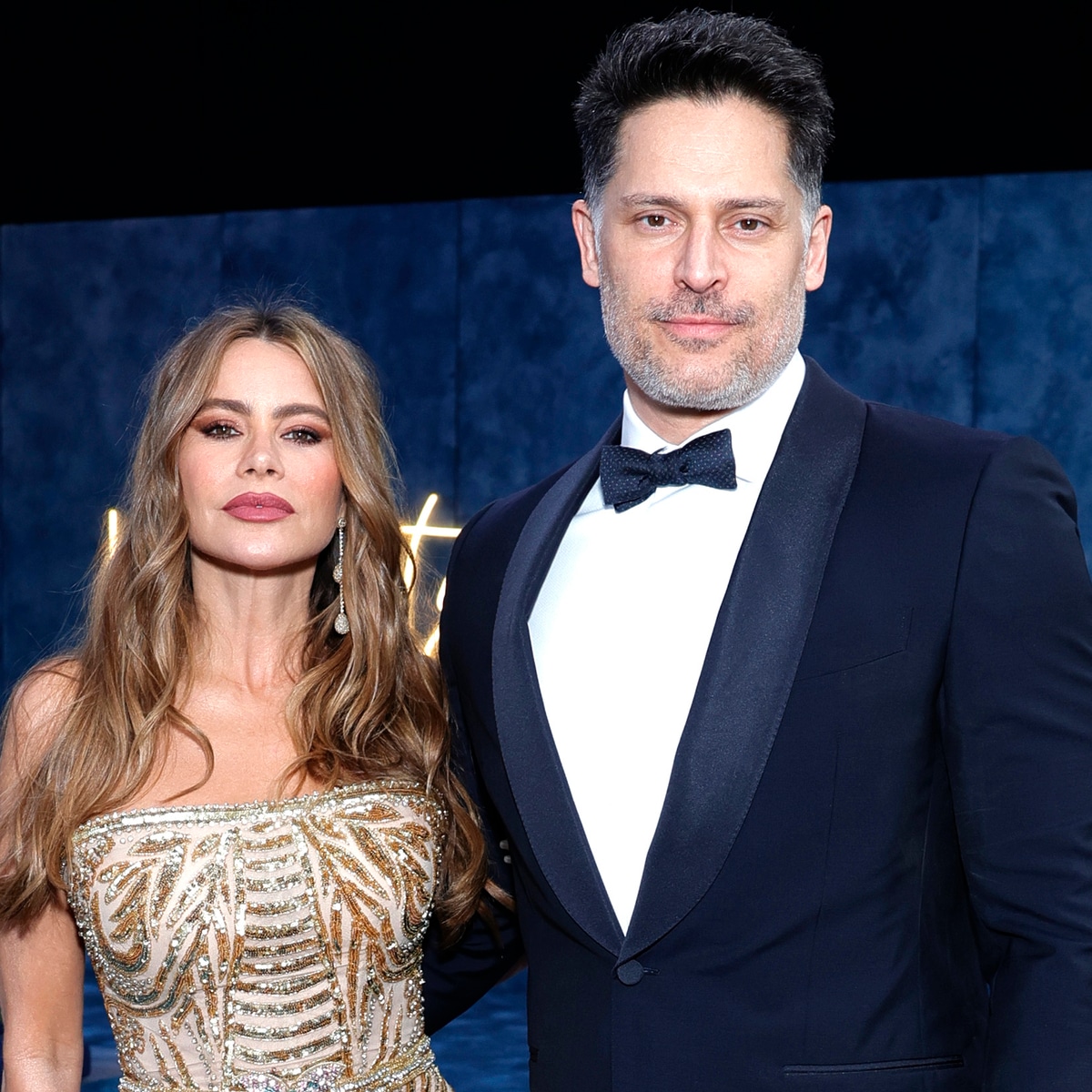
Clinical Vulnerability and the Architecture of the Celebrity Memoir
Actor Joe Manganiello has disclosed a seven-year struggle with an undisclosed autoimmune condition that escalated to near-fatal severity. Revealed ahead of the October 13 release of his memoir, Bloodlines, the account establishes the first formal documentation of a systemic health emergency that spanned seven of the past ten years.
The disclosure reframes the retrospective evaluation of Manganiello’s career capital. Known primarily for hyper-physical roles in properties such as True Blood and Magic Mike, the actor maintained commercial viability under significant physiological strain. Primary archival documentation released alongside the announcement—including hospital records, intravenous telemetry, and photographic evidence of acute cachexia—substantiates the clinical reality, distinguishing the rollout from conventional lifestyle or wellness marketing.
Insurability, Physical Capital, and Concealed Labor
In high-budget film production, an actor’s physical integrity functions as contractually underwritten collateral. Chronic, non-disclosed illnesses introduce operational liabilities, including production delays, heightened underwriting premiums, and cast replacement risks. Manganiello’s concealment of severe morbidity underscores structural incentives in Hollywood that compel talent to internalize debilitating health crises rather than forfeit commercial viability.
The announcement that he is now clinically symptom-free coincides with the public confirmation of his engagement to Caitlin O’Connor. This synchronicity serves a concrete utility: closing the narrative arc of vulnerability and signaling physiological reliability to production entities, talent agencies, and financiers assessing future cast commitments.
Narrative Control Versus Decentralized Counter-Messaging
The strategic deployment of long-form print media affords authors unilateral narrative framing. However, advance excerpts detailing the dissolution of Manganiello’s marriage to Sofía Vergara triggered real-time friction within decentralized communication networks.
Vergara, 54, amplified an infographic initially posted by her 35-year-old son, Manolo Vergara, outlining behavioral dichotomies between functional partnerships and narcissistic profiles—specifically highlighting gaslighting, blame shifting, and chronic victimhood. She paired this with a public reflection by Tom Brady concerning humility and the capacity for self-critique. Though lacking nominal citations, the temporal proximity to Manganiello’s promotional excerpts transformed an otherwise domestic history into contested public capital.
The Dual Trajectory of ‘Bloodlines’
The rollout of Bloodlines balances two distinct reputational forces: empirical documentation of life-threatening illness against the contested fallout of a high-profile divorce. While long-form retrospective publishing historically anchors an artist’s definitive public record, real-time social media engagement introduces collateral reputational friction that destabilizes authorial dominance. Ultimately, Manganiello’s long-term commercial repositioning will depend on whether media analysis prioritizes his survival of prolonged pathology or remains entangled in polarized personal retrospectives.