
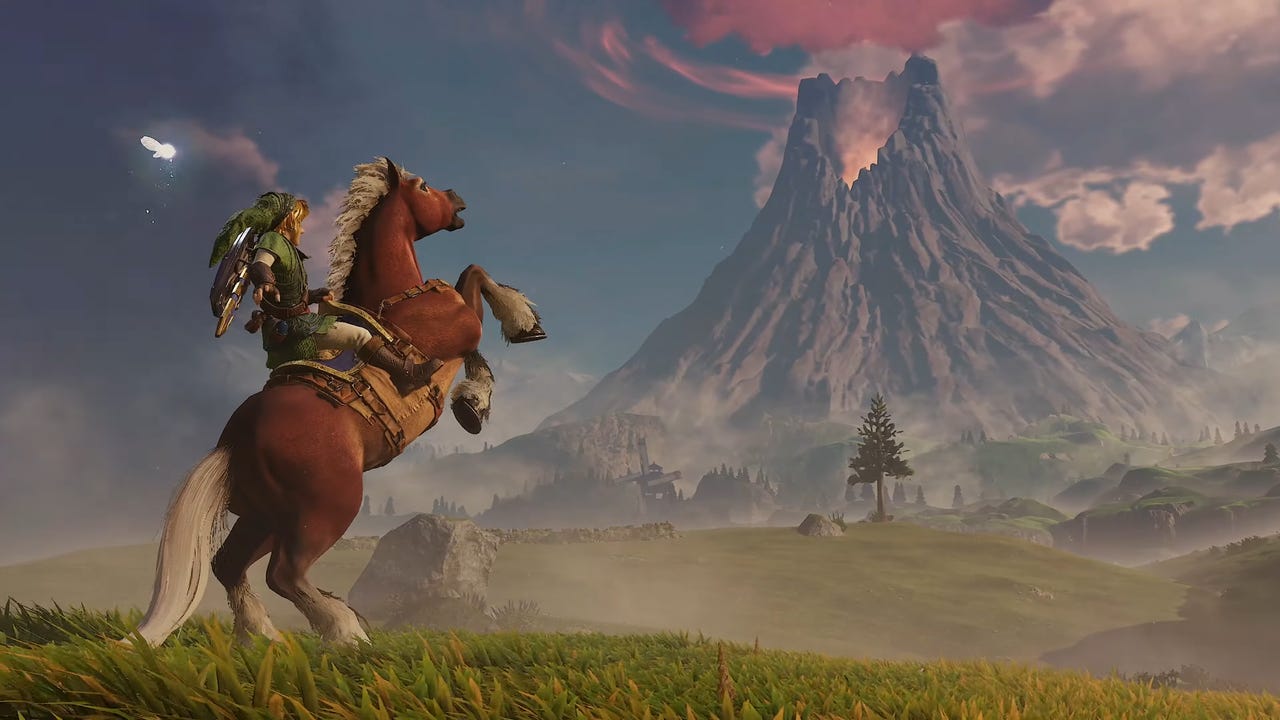
Tactical IP Capitalization in the Switch 2 Lifecycle
The strategic positioning of The Legend of Zelda: Ocarina of Time remake as a Switch 2 launch-window title represents a sophisticated deployment of high-equity intellectual property. By targeting a November 5 release, Nintendo is effectively de-risking the hardware transition, utilizing an established market favorite to anchor the Q4 fiscal cycle. This maneuver prioritizes stability, leveraging a title with proven market penetration to ensure high attach rates during the critical initial adoption phase of the new console.
Producer Eiji Aonuma’s emphasis on mechanical fidelity suggests a ‘preservation-first’ modernization philosophy. This approach targets two distinct consumer segments: the legacy demographic seeking high-fidelity nostalgia and a contemporary audience requiring modern ergonomic standards. The public release of extensive gameplay footage serves as a transparency-driven marketing tool, establishing a technical benchmark for the Switch 2’s rendering capabilities and processing overhead.
Technical Benchmarks and Ecosystem Integration
Transitioning to the Switch 2 architecture facilitates a comprehensive overhaul of legacy constraints. The modernization of the control scheme—originally dictated by the N64’s unique ergonomics—illustrates a shift toward industry-standard precision without sacrificing the original’s mechanical soul. The documented 40-item optimization list indicates that the Switch 2 provides the necessary computational overhead to resolve long-standing technical limitations, transforming a historical masterpiece into a modern technical showcase.
Beyond software, the 40th Anniversary Direct reinforces Zelda as a transmedia asset. Integrating the announcement with a global concert series and the Nintendo Today app deepens the ecosystem’s digital footprint. This multi-channel approach maximizes the Lifetime Value (LTV) of the IP, diversifying revenue streams through high-margin live events and data-driven digital services that bridge the gap between traditional hardware and mobile ecosystems.
Fiscal Timing and Institutional Continuity
The November release is precisely timed to exploit the global holiday spending surge, testing the resilience of Nintendo’s supply chain. Successful execution provides the necessary momentum to sustain hardware sell-through into the following fiscal year. Simultaneously, Eiji Aonuma’s continued oversight provides institutional continuity, ensuring that the remake adheres to the brand’s core creative philosophy—a vital factor in maintaining investor confidence and consumer brand loyalty.
Choosing a high-profile remake over a speculative new entry reflects a conservative R&D strategy during hardware pivots. This approach yields a more predictable Return on Investment (ROI) while the company allocates resources toward parallel high-risk projects. The commitment to iterative refinement, as seen in the 40 gameplay optimizations, ensures the product meets modern standards of quality without alienating the established fanbase, cementing the franchise’s role as the cornerstone of Nintendo’s long-term market strategy.
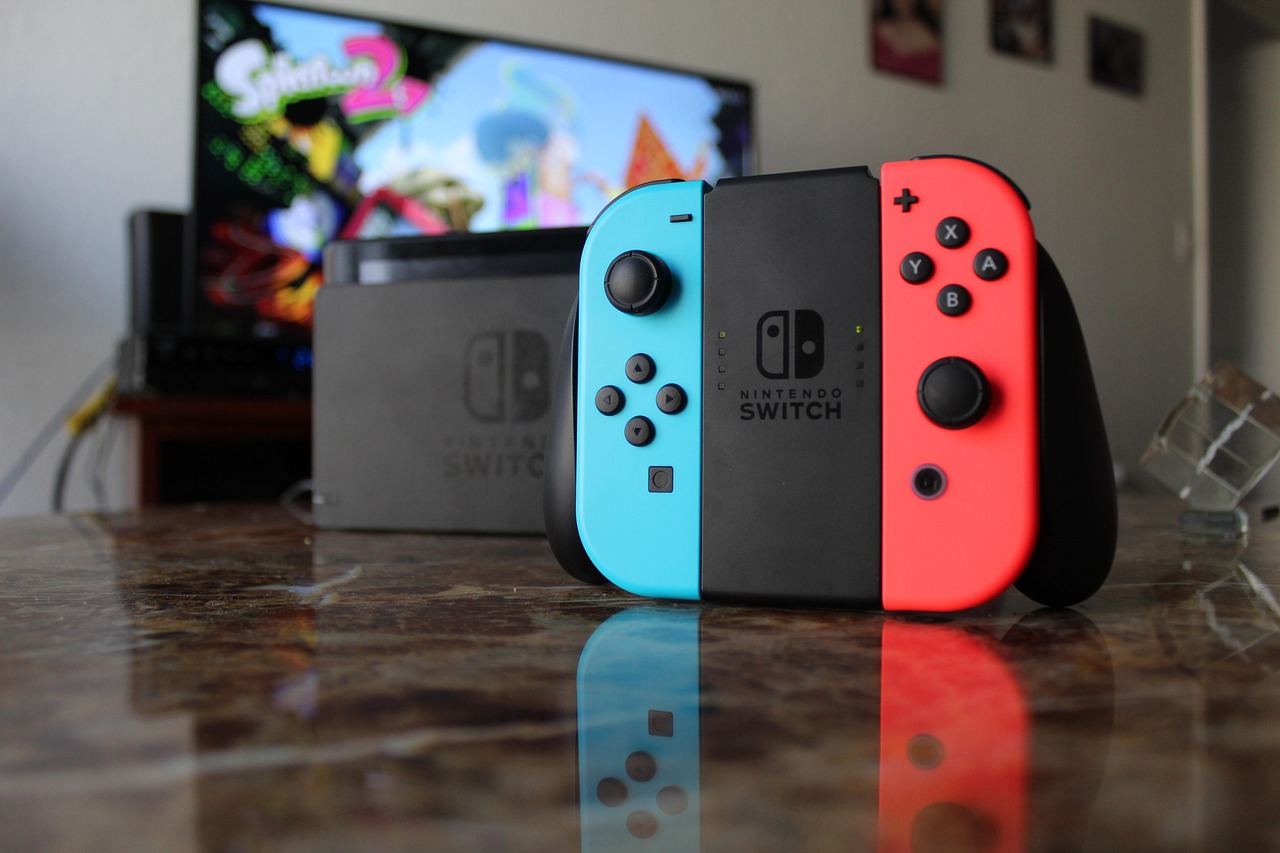
Photo by joatseu on Pixabay.