Institutional Pivot: The Targaryen Franchise Architecture
The ascendancy of House of the Dragon on HBO Max denotes a sophisticated institutional shift toward high-yield, IP-centric content. By isolating the Targaryen civil war—the ‘Dance of the Dragons’—HBO has optimized a specific historical node within George R.R. Martin’s universe to stabilize its streaming ecosystem. Adapting Fire & Blood provides a finite, structurally sound historical framework, effectively mitigating the narrative volatility and pacing risks inherent in open-ended literary adaptations.
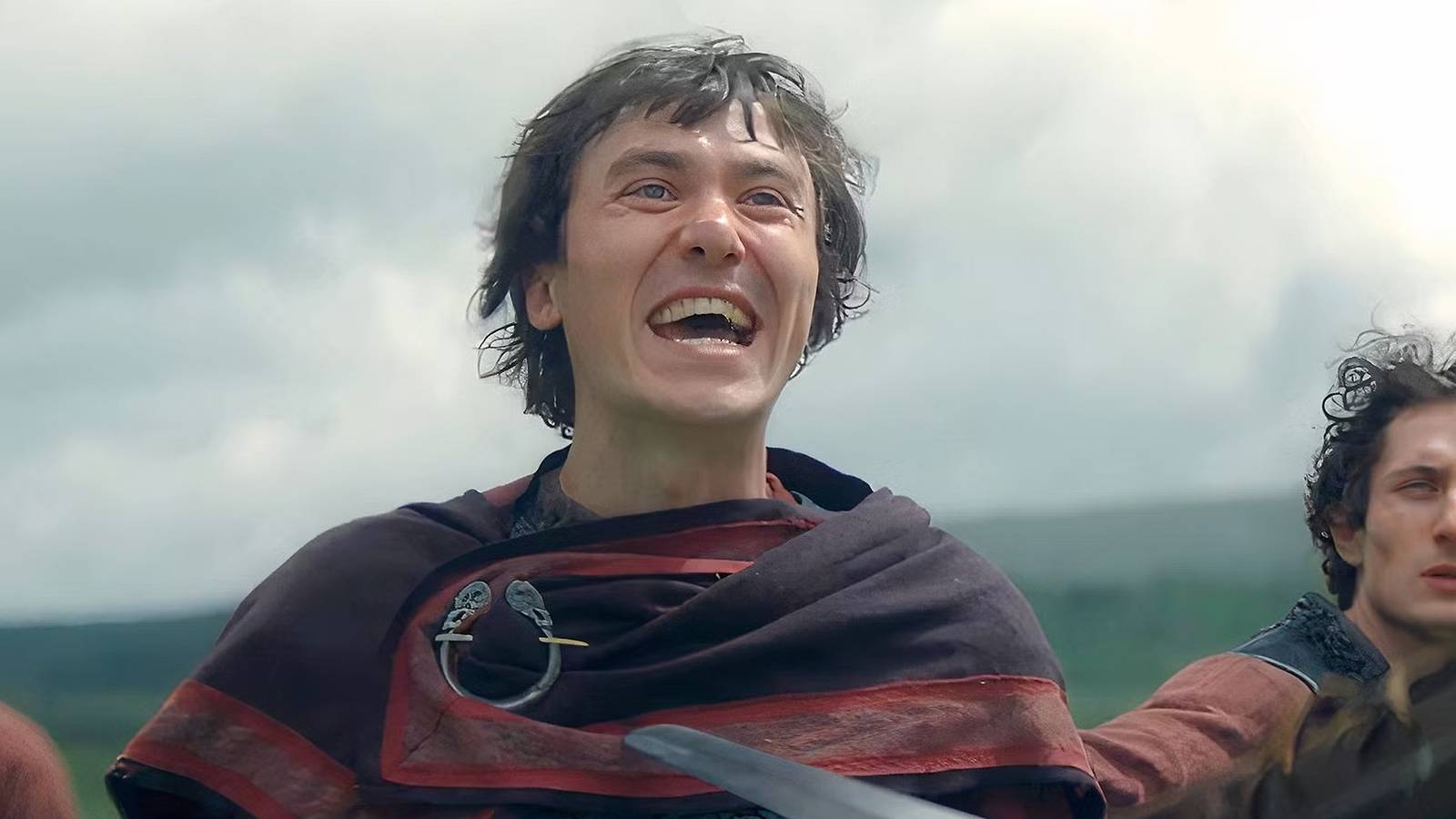
The series serves as a performance-driven anchor for the HBO Max platform. With a confirmed four-season trajectory concluding in 2028, the network has committed to a long-term capital deployment strategy designed to suppress subscriber churn through predictable, high-impact release cycles. This multi-year roadmap facilitates the seamless integration of adjacent spinoffs, such as A Knight of the Seven Kingdoms, ensuring a persistent Westeros-related content pipeline that maintains market dominance between primary season launches.
Metrics of Dominance: Analyzing the 940M Minute Benchmark
Recorded viewership peaks of 940 million minutes function as a critical KPI for the economic viability of high-budget fantasy productions. This metric reflects audience engagement that exceeds traditional broadcast linear standards, signaling deep immersion within the SVOD (Subscription Video on Demand) environment. These data points suggest that the series’ visceral narrative has achieved engagement levels that rival, and occasionally disrupt, the historical benchmarks established by Game of Thrones.
A primary driver of these performance figures is the content’s high rewatchability index. Audiences frequently return to Season 1 during hiatus periods, optimizing the lifetime value (LTV) of the asset. For HBO Max, this internal momentum generates organic viewership, reducing the necessity for aggressive external acquisition spend as the existing subscriber base becomes a self-sustaining engine of catch-up and re-initiation cycles.
Strategic Narrative Correctives: Addressing the Daenerys Legacy
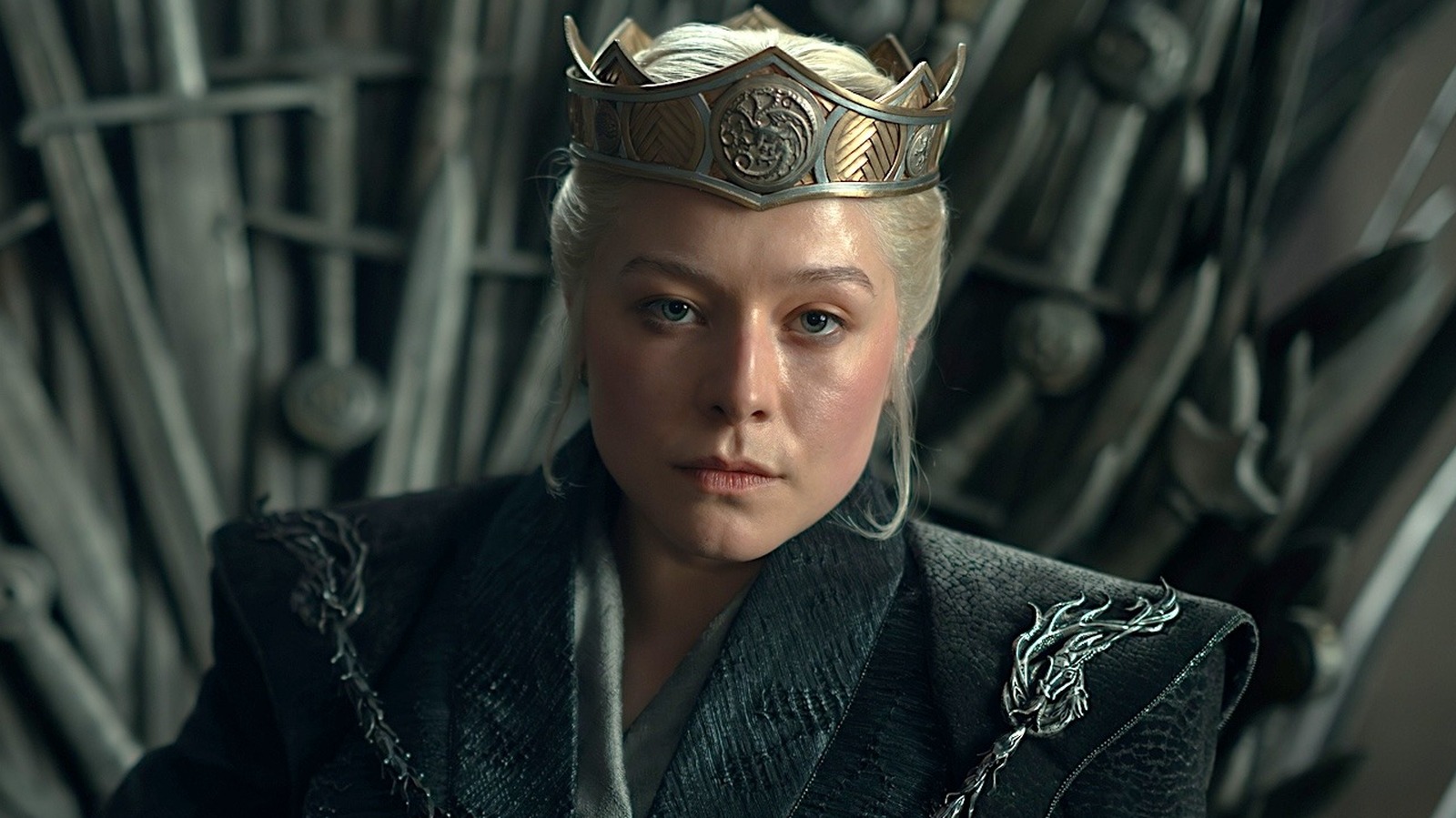
House of the Dragon functions as a strategic corrective for perceived structural deficiencies in the Game of Thrones finale. By centering the narrative on Rhaenyra Targaryen—a direct ancestor to Daenerys—the production establishes a thematic parallel that contextualizes institutional power and the Targaryen ‘madness’ trope. This retroactive logic strengthens the franchise’s internal consistency, offering a granular exploration of the systemic pressures inherent in absolute monarchy.
The mirroring of Rhaenyra and Daenerys is an intentional subversion of the ‘wheel of power’ political landscape. Both characters are depicted as reformists compromised by the structural inertia of the Westerosi patriarchy. This calculated narrative choice transforms the ‘descent into madness’ from a controversial character shift into a logical consequence of systemic and personal erosion, directly addressing long-term audience critiques of the original series.
Operational Scale and Technical Moats
The operational decision to increase dragon density represents a significant evolution in production scale. While Game of Thrones was limited by the narrative scarcity of these creatures, House of the Dragon utilizes them as central instruments of military and political leverage. This shift necessitates a high degree of CGI sophistication and budgetary overhead, creating a formidable ‘technical moat’ that raises the barrier to entry for competing high-fantasy streaming rivals.
The visual presence of these assets serves as a manifestation of Targaryen hegemony at its zenith. This technical spectacle is a core component of the series’ ‘unnerving’ atmosphere, a quality identified as a primary catalyst for its chart-topping performance. By delivering the large-scale spectacle only hinted at in the early seasons of its predecessor, the spinoff establishes a unique value proposition centered on visual and emotional intensity.
Conclusion: The 2028 Roadmap and Market Differentiation
The 2028 conclusion for House of the Dragon reflects a disciplined approach to franchise lifecycle management. Unlike contemporary series plagued by narrative bloat, the four-season constraint ensures a cohesive, intentional story arc. This discipline preserves the HBO ‘prestige’ brand, ensuring production quality remains a constant through the terminal episode. This terminal date allows for the strategic deployment of future spinoffs, maintaining a permanent presence in the high-fantasy market without risk of brand over-saturation.
Ultimately, House of the Dragon differentiates itself by focusing on internal institutional collapse rather than external existential threats. While the original series was defined by the looming White Walkers, the prequel derives tension from the interpersonal decay within House Targaryen. This pivot toward character-driven political conflict secures the show’s position as a sophisticated evolution of the genre, capable of sustaining a global audience through intellectual depth and operational excellence.