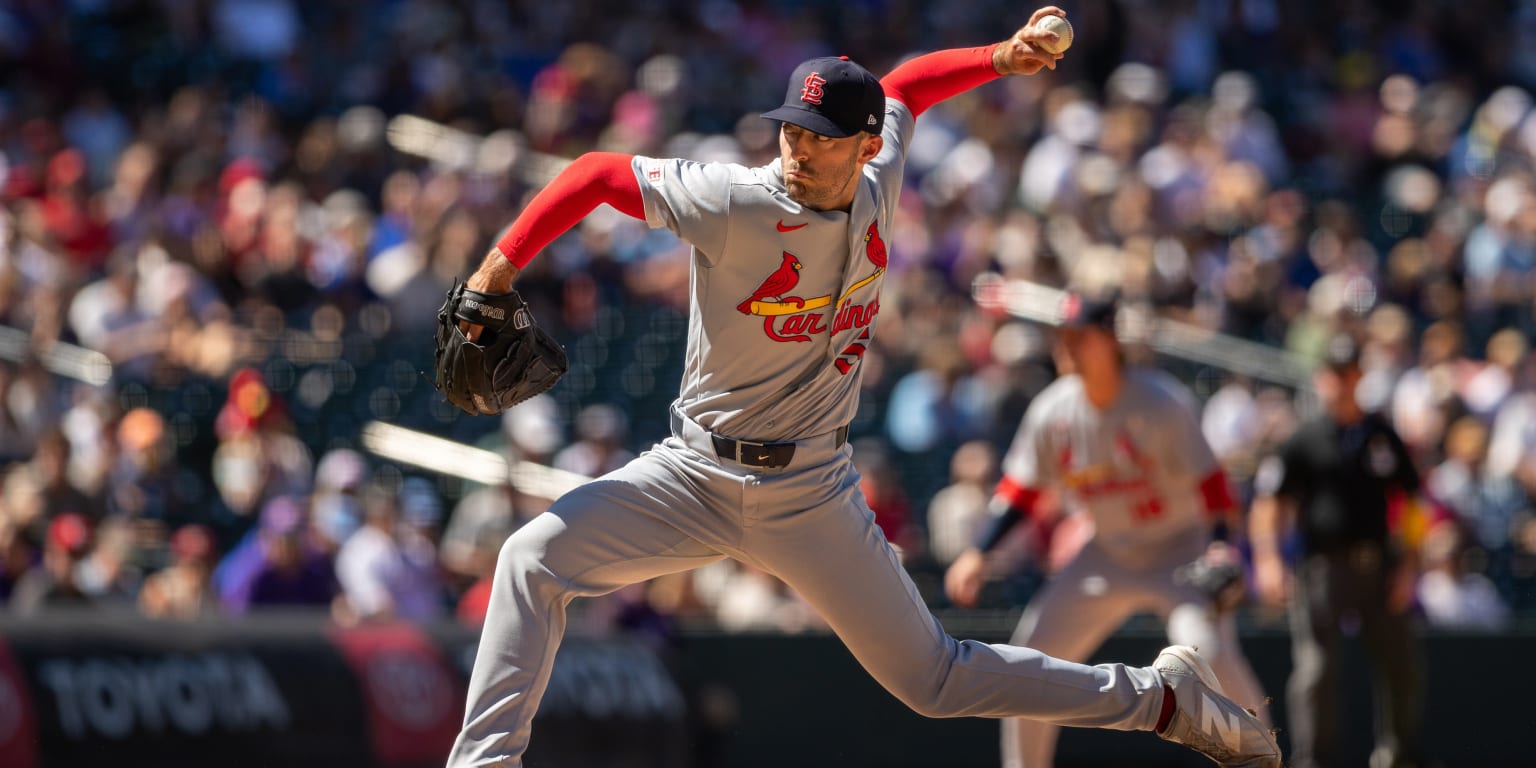
Strategic Activation: The Cooper Hjerpe Promotion
The St. Louis Cardinals’ promotion of Cooper Hjerpe from Triple-A Memphis marks a pivotal activation of a high-value pitching asset. Ranked as the system’s 18th prospect and a former first-round pick (2022), Hjerpe’s Major League debut represents a calculated transition from intensive rehabilitation to functional contribution within the rotation.
Hjerpe’s path to the majors has been significantly shaped by medical interventions, including arthroscopic elbow surgeries in 2023 and 2024, followed by Tommy John surgery in April 2025. This trajectory highlights the inherent volatility of pitching prospects and the organization’s sustained commitment to nurturing high-ceiling talent through recurring structural setbacks.
The timing of Hjerpe’s call-up, coinciding with a crucial series against the Colorado Rockies at Coors Field, addresses immediate pitching depth needs while facilitating an evaluation of his readiness for high-leverage MLB competition. This decision carries strategic weight for the Cardinals’ mid-season competitive trajectory.
The Piggyback Strategy: Mitigating Operational Risk and Workload
Hjerpe’s debut is implemented via a “piggyback” start alongside Kyle Leahy, a tactical approach to manage distinct pitching workloads. Leahy, having surpassed his career-high innings, requires workload reduction to prevent performance degradation. This pairing allows the Cardinals to leverage both pitchers efficiently without overexerting either individual asset.
For Hjerpe, the piggyback role offers a controlled MLB entry, reducing the physical stress of a traditional starter’s workload. Having recently reached a 74-pitch threshold in the minors, he is positioned to provide substantial length behind Leahy. This arrangement exemplifies a modern analytical approach to pitching management, prioritizing collective staff efficiency.
The high-altitude environment of Coors Field adds complexity, influencing pitch movement and recovery. The piggyback structure is therefore crucial for risk mitigation, enabling manager Oliver Marmol to navigate venue-specific challenges while safeguarding pitcher health.
Institutional Discipline and Roster Optimization
The corresponding roster move, demoting reliever Hancel Rincón to Triple-A Memphis, underscores the Cardinals’ emphasis on institutional standards and optics. Rincón’s reassignment followed national scrutiny over his choice to wear a tilted hat during a recent game. While performance metrics typically drive roster decisions, the timing suggests organizational culture and brand alignment remain paramount.
Rincón’s departure creates the necessary roster space for Hjerpe, illustrating the zero-sum nature of MLB roster management. The Cardinals prioritized the upside of a first-round prospect over a reliever facing peripheral controversy, reinforcing the internal hierarchy where developmental milestones and professional conduct influence roster inclusion.
This move also impacts the Triple-A Memphis affiliate, requiring reintegration of Rincón and the reassignment of their primary starting prospect. Such internal shuffling is characteristic of modern baseball operations, demanding seamless inter-affiliate coordination. The Cardinals’ demonstrated ability to execute these transitions smoothly reflects their cohesive administrative and developmental structure.
Medical Resilience and Return on Investment
Hjerpe’s successful return from his 2025 Tommy John surgery is a significant validation for the Cardinals’ medical and training departments. His “ground up” recovery protocol, demanding both physical and psychological resilience, validates the organization’s long-term investment in his potential. This milestone signifies a successful recovery for a first-round pick after three surgeries in three years.
Hjerpe’s promotion also carries financial implications, as he begins to accrue Major League service time towards arbitration eligibility. As a high draft pick, his trajectory is closely monitored for his potential to anchor the future rotation, directly impacting the return on the significant capital invested in his development.
Hjerpe’s reported maturity regarding the acceptance of his recovery timeline suggests psychological readiness, a critical factor alongside physical health for MLB transitions. The Cardinals appear confident in his ability to manage the pressures of the big league stage, not only through talent but also temperament.
Competitive Implications for the Cardinals’ Rotation
Hjerpe’s integration into the MLB rotation provides the Cardinals with a needed left-handed option, offering greater flexibility in bullpen deployment and veteran starter workload management. His potential to translate minor league success could significantly bolster the team’s postseason contention aspirations.
Proactively managing Kyle Leahy’s innings by utilizing Hjerpe in a piggyback role extends the effective durability of the Cardinals’ pitching staff. This holistic approach to workload management aligns with data-driven decision-making prevalent among organizations prioritizing long-term staff health over traditional pitching roles.
The performance of the Leahy-Hjerpe tandem during the Rockies series will serve as a key indicator of the Cardinals’ tactical agility. Successful implementation of this unconventional arrangement could inform future roster maneuvers and injury management strategies, reflecting the organization’s philosophy of adapting to player limitations while maintaining competitive standards.
Market and Media Context of the Roster Shift
The narrative surrounding Hjerpe’s debut is contextualized by the recent controversy involving Hancel Rincón. Media attention on Rincón’s attire highlights the interplay between individual expression and corporate expectations in professional sports. For the Cardinals, a franchise known for tradition, resolving this issue via a roster move refocuses attention on on-field performance.
The promotion of a highly-touted prospect like Hjerpe generates positive momentum and fan engagement, serving as a counter-narrative to recent distractions. From a strategic communications standpoint, a first-round pick’s debut is a high-value event reinforcing the organization’s commitment to its youth development pipeline and minimizing external noise.
Ultimately, the Cardinals’ roster decisions reflect a sophisticated balance between talent development, medical necessity, and institutional discipline. Cooper Hjerpe’s promotion represents a calculated investment in a high-ceiling arm that has overcome significant adversity. His MLB debut at Coors Field signifies the culmination of a challenging yet ultimately successful journey.