Disruptive Passenger Incident Forces Flight Diversion
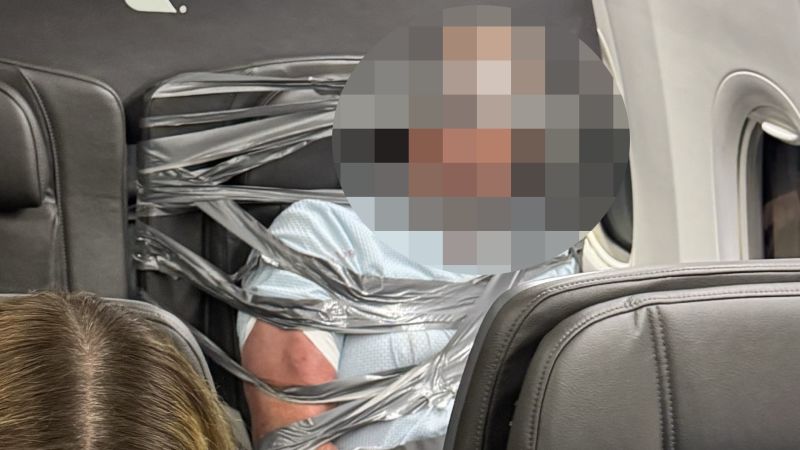
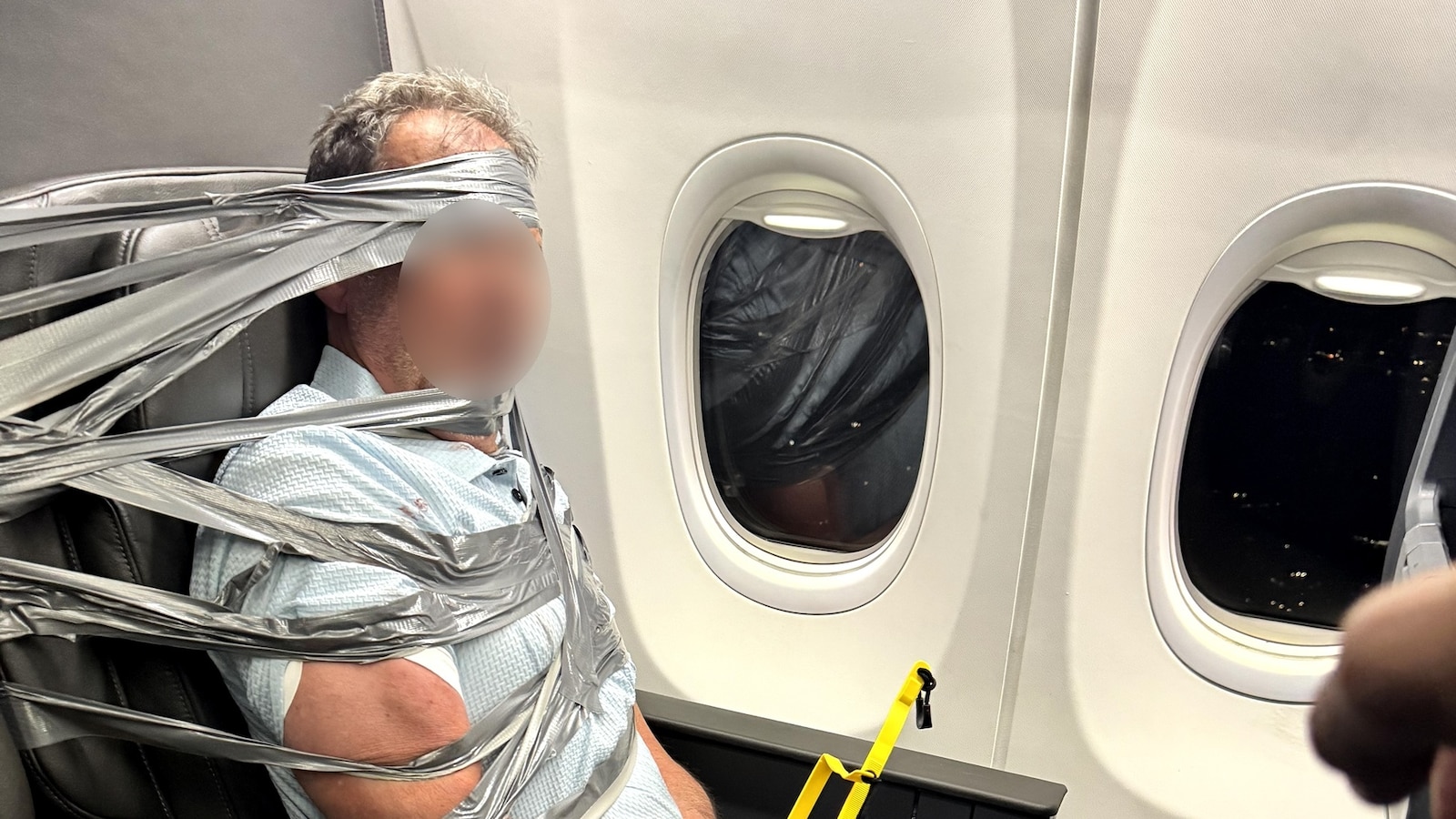
American Airlines Flight 618, traveling from Dallas Fort Worth International Airport to Newark, was diverted to Baltimore on Thursday night due to a severely disruptive passenger. The situation necessitated the passenger’s physical restraint using zip ties and duct tape, as documented by fellow passengers and confirmed by authorities.
The passenger, identified as Arthur Lundeen, 67, of Arizona, allegedly became belligerent mid-flight. Accounts from witnesses indicate the disturbance escalated, including alleged physical altercations and the use of slurs.
Escalation and Intervention
Witnesses reported the disruptive behavior included racial and homophobic slurs, along with profanity. The situation became physically aggressive, prompting other passengers and a flight attendant to intervene. Zip ties were used to restrain the passenger’s wrists, and duct tape was applied to secure him to his seat to ensure the safety of the flight crew and other passengers during the diversion.
Regulatory and Operational Implications
The Federal Aviation Administration (FAA) confirmed the flight crew reported the disturbance, triggering the diversion protocol. Such incidents impose significant operational strain on airlines, requiring immediate resource allocation for diversion, law enforcement response, and passenger reaccommodation.
The use of restraint measures, including duct tape, by crew and passengers is typically a last resort, employed when de-escalation techniques fail and immediate safety is compromised.
Law Enforcement Response and Passenger Arrest
Upon landing in Baltimore, Maryland Transportation Authority Police took custody of Arthur Lundeen. He was arrested for alleged unruly behavior, highlighting the legal ramifications of such disruptions in the aviation sector. The Maryland Transportation Authority Police, with assistance from the FBI, are investigating the incident.
Airline Policy and Passenger Conduct
American Airlines enforces stringent policies regarding passenger conduct. Unruly behavior can lead to immediate consequences, including diversion, arrest, and potential bans from future travel. This incident underscores the ongoing challenges airlines face in managing passenger behavior, with a notable increase in ‘air rage’ incidents in recent years.
Industry-Wide Impact on Safety Protocols
The recurring nature of disruptive passenger behavior necessitates continuous review and enhancement of airline safety protocols and crew training. Effective management of escalating situations is paramount for flight attendant and pilot safety.
Airlines and regulatory bodies like the FAA are tasked with balancing passenger rights with the imperative of maintaining a secure cabin environment. Strategies, from de-escalation training to restraint devices, are under constant evaluation.
Legal and Financial Ramifications for Disruptive Passengers
Individuals found guilty of unruly behavior on aircraft can face significant fines and potential jail time. The FAA can impose civil penalties up to tens of thousands of dollars, depending on the offense’s severity. Airlines incur substantial costs for diversions, delays, and increased security measures, which can indirectly affect passenger fares.
Broader Societal Context of Air Rage
The incident on Flight 618 is symptomatic of a broader trend of increasing passenger misconduct in air travel, potentially influenced by factors like increased travel volume, stress, and societal tensions. The public sharing of such incidents via social media also amplifies their impact.
Strategic Considerations for Air Carriers
Managing passenger conduct is critical for an airline’s operational strategy and brand reputation. Incidents like this can impact passenger confidence and lead to negative publicity, requiring swift and transparent communication.
The Role of Law Enforcement and Aviation Security
The involvement of law enforcement agencies highlights the intersection of aviation security and public safety. Coordinated responses are crucial for managing immediate aftermaths and subsequent legal proceedings.
Future Implications for Passenger Rights and Responsibilities
Events like these prompt discussions about passenger rights versus responsibilities. While passengers have the right to safe travel, they must also adhere to regulations and crew instructions. Policy adjustments may arise from comprehensive reviews of such incidents.
Operational Resilience and Crisis Management
The successful diversion and landing of Flight 618 demonstrate the operational resilience of American Airlines and Baltimore airport authorities. Each incident serves as a case study for refining protocols in responding to extreme passenger behavior.
The Economic Impact of Flight Disruptions
Flight disruptions have cascading economic effects, including missed connections, impacting business and tourism. Airlines face costs related to crew time, aircraft repositioning, and passenger compensation, affecting scheduling and operational efficiency.
Media Coverage and Public Perception
The dissemination of passenger-recorded videos and photos amplifies the public impact of such incidents, shaping perceptions of airline safety and the challenges faced by flight crews.
Long-Term Strategy for Mitigating Unruly Passenger Incidents
Airlines are investing in technology and training to proactively address unruly passenger behavior, including enhanced surveillance and communication systems, to minimize incidents and protect operational integrity.