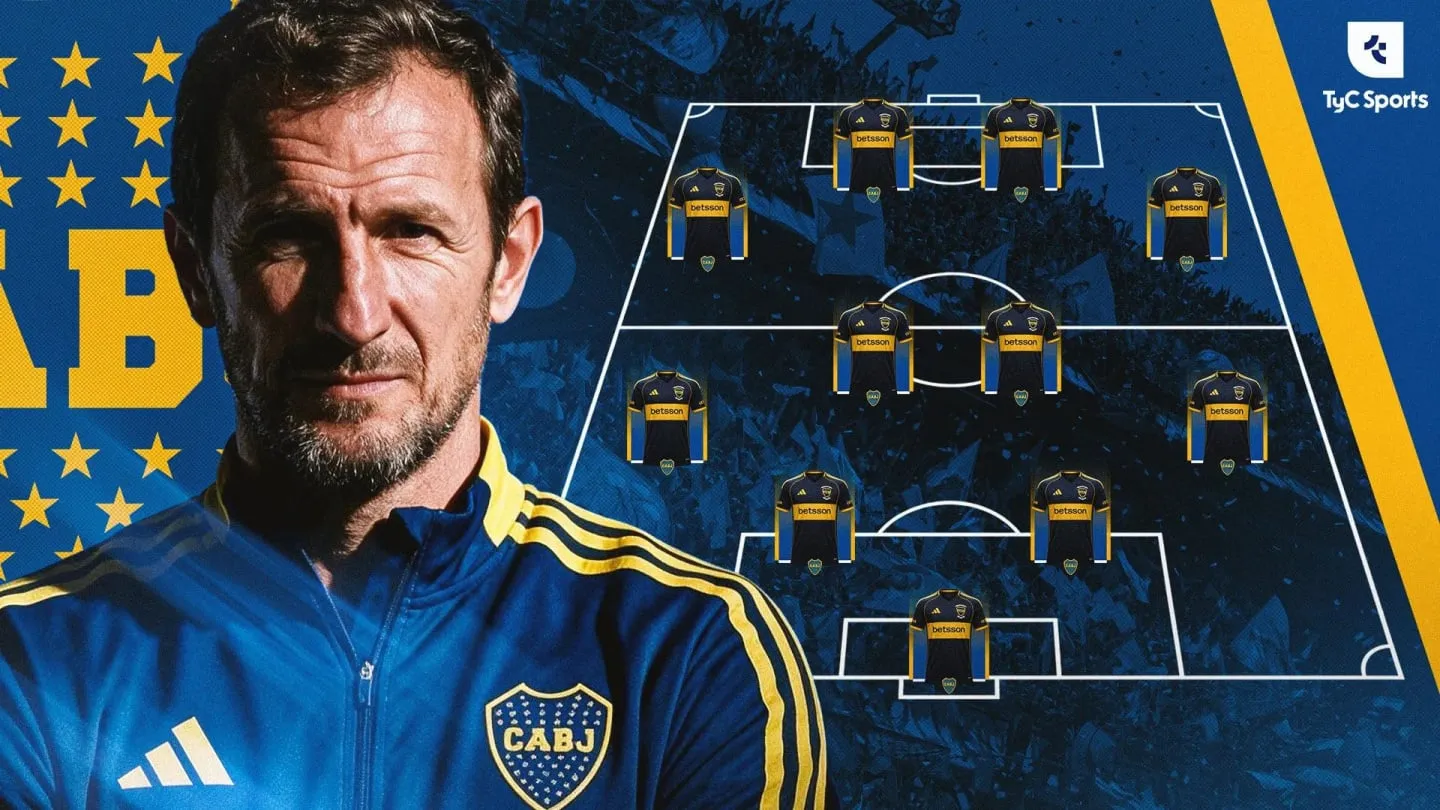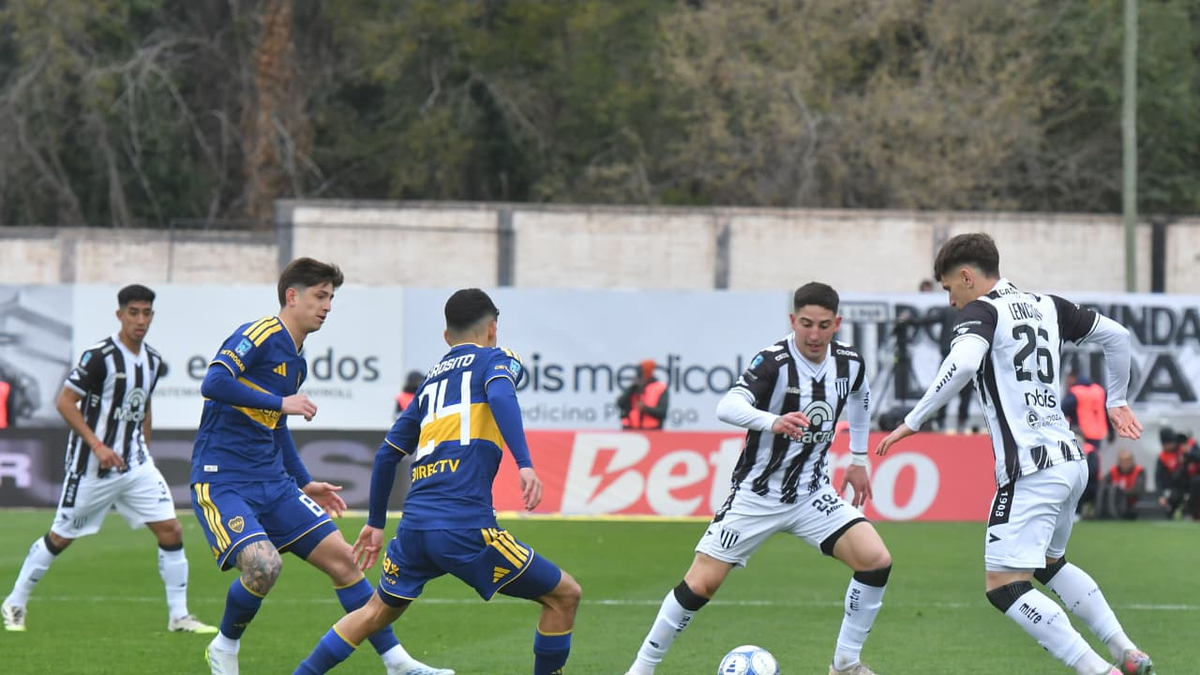
The tactical landscape of Argentine football currently oscillates between domestic obligations and continental aspirations. As Boca Juniors prepares to face Gimnasia y Esgrima de Mendoza at the Víctor Antonio Legrotaglie stadium, manager Rodolfo Arruabarrena’s decision-making reveals a calculated prioritization of the Copa Sudamericana. This strategic pivot is not merely a response to a congested fixture list but a deliberate allocation of human capital, meticulously designed to preserve the core roster for the high-stakes quarterfinal series against San Pablo.
The Strategic Imperative of Wholesale Squad Rotation
Arruabarrena’s implementation of a near-total rotation for the eighth fixture of the Torneo Clausura underscores the acute physiological load of the current competitive cycle. Following a high-intensity Copa Argentina clash against Vélez Sarsfield, recovery metrics have dictated a systemic shift in personnel to mitigate soft-tissue injury risks. This preemptive rest for regular starters is a strategic asset management decision, ensuring optimal performance levels for the upcoming international matches scheduled at La Bombonera and in Brazil.
The operational risk inherent in such a move is substantial, as it burdens a secondary unit, often lacking consistent competitive rhythm, with league performance expectations. However, Boca Juniors’ institutional hierarchy frequently places a higher premium on international success than on mid-season domestic points. By shielding the primary XI from the physical demands of the Mendoza trip, the coaching staff makes a calculated gamble on the squad’s depth to maintain competitive parity against a regional adversary, accepting potential short-term volatility in league standings for long-term continental objectives.
Enner Valencia’s Performance Imperative and Tactical Reintegration
The inclusion of Enner Valencia in the starting lineup for the first time since his arrival represents a critical inflection point for both the player’s career at Boca Juniors and the club’s recruitment efficacy. At 36, the Ecuadorian international was signed to inject veteran leadership and clinical finishing, yet his tenure has, thus far, been characterized by a notable lack of offensive output. His inaugural start comes under heightened scrutiny, particularly after a high-profile penalty miss in the recent shootout against Vélez Sarsfield.
For Valencia, this match is a vital opportunity to recalibrate his performance metrics and validate the significant capital investment made by the club. The psychological burden of a scoring drought for a player of his historical caliber can invariably impact overall team dynamics. Arruabarrena’s decision to start him against Gimnasia is a tactical maneuver aimed at building match fitness, confidence, and facilitating his reintegration into the competitive rhythm ahead of the San Pablo series, where his vast international experience is deemed indispensable.
Defensive Stability: Álvaro Montero as the Organizational Linchpin
While the outfield units are undergoing an almost complete overhaul, the retention of Álvaro Montero in goal provides a crucial anchor for the restructured defensive line. Montero’s recent heroics, notably his two saves in the penalty shootout against Vélez, have firmly established him as the definitive choice for high-pressure scenarios. His consistent presence in the starting XI offers a psychological safety net for a backline that will feature several new combinations, including the introduction of young Dylan Gorosito.
This continuity in the goalkeeping position is a standard tactical hedge against the volatility introduced by widespread defensive rotations. A goalkeeper’s fatigue profile differs significantly from that of outfield players, allowing Arruabarrena to maintain a consistent point of communication and command at the back. This decision reflects a strategic desire to preserve defensive organization and minimize transitional errors, even when tactical roles in front of Montero are occupied by players with limited shared match minutes.
Midfield Absences and Strategic Asset Management
The absence of captain Leandro Paredes and Milton Delgado due to muscular discomfort critically highlights the fragility of the squad’s physical state. Paredes, serving as the tactical and emotional fulcrum of the midfield, is being managed with extreme caution to ensure his peak availability for the crucial home leg against San Pablo. His absence in Mendoza creates a distinct leadership vacuum that the rotated squad must collectively address through enhanced discipline and positional awareness, rather than individual brilliance.
Milton Delgado’s injury further complicates the midfield rotation scheme, as his dynamic profile typically provides essential energy and coverage during high-rotation league fixtures. The medical staff’s concentrated effort to ensure Delgado’s readiness for the return leg in Brazil underscores a long-term strategic view of the squad’s health. This conservative asset management explicitly indicates the club’s willingness to accept short-term fluctuations in the Clausura standings to maximize their probability of success in the more prestigious Copa Sudamericana.
Gimnasia de Mendoza: An Economic Windfall and Sporting Narrative
For Gimnasia y Esgrima de Mendoza, the visit of Boca Juniors transcends a mere league fixture, representing an event of profound institutional and economic magnitude. The Víctor Antonio Legrotaglie stadium is anticipated to reach full capacity, reflecting the immense prestige and commercial draw that a match against one of Argentina’s footballing giants brings to a regional club. This encounter serves as an invaluable platform for Gimnasia to showcase its competitive evolution and to capitalize on the heightened media exposure and commercial interest generated by Boca’s presence.
The “historic” designation, frequently employed by local observers, stems from the rarity of such high-profile competitive fixtures in Mendoza, outside of neutral-site cup games. For the home side, the match is not solely a pursuit of three points but a pivotal moment for institutional branding and identity. The ability to compete credibly, or even secure a favorable result, against a rotated Boca Juniors side would provide a significant boost to the club’s sporting reputation and elevate its standing within the intricate professional hierarchy of Argentine football.
Clausura Implications and Arruabarrena’s Managerial Scrutiny
The outcome of this eighth-round fixture will have direct, cascading effects on Boca’s positioning within the Torneo Clausura table. While the strategic focus remains undeniably fixed on the Copa Sudamericana, a failure to secure points in Mendoza could create a structural disadvantage in the domestic league that becomes increasingly challenging to rectify in the latter stages of the season. The margin for error is slim, and the performance of the extensively rotated squad will serve as a direct reflection of the club’s recruitment depth, tactical preparation, and the efficacy of its youth development pipeline.
Furthermore, the result will inevitably influence the public and media narrative surrounding Arruabarrena’s comprehensive squad management strategy. Success achieved with a heavily rotated lineup would robustly validate his resource allocation, showcasing his tactical acumen. Conversely, a loss would invite significant criticism regarding the perceived prioritization of international trophies over domestic consistency—a perennial tension for elite South American clubs where the demand for multiple titles often strains the physical and psychological capacity of the roster.
The San Pablo Blueprint: A Strategic Proving Ground for Continental Ambition
Every tactical decision for the Gimnasia match is meticulously filtered through the overarching objective of the upcoming quarterfinal against San Pablo. The Brazilian powerhouse represents a significant escalation in quality, tactical complexity, and physical demand, necessitating Boca to be at their absolute physical and mental peak. The rotation in Mendoza is thus far more than mere rest; it is a critical preparatory phase, designed not only to ensure primary starters are fresh but also to serve as a high-stakes proving ground for the secondary unit.
This fixture offers a unique opportunity to assess the tactical adaptability and individual readiness of fringe players within a competitive scenario. It allows Arruabarrena to fine-tune system nuances and evaluate potential solutions for the inevitable demands of the continental campaign. The strategic importance of the Sudamericana cannot be overstated, as it offers both substantial financial rewards and a prestigious pathway to further international recognition. For a club of Boca’s stature, these tournaments are the primary metrics by which a season’s success is ultimately measured, making the Gimnasia match a calculated sacrifice for broader continental ambitions.
Operational Dynamics and Adaptive Coaching
The reported discrepancies in kickoff times and any last-minute adjustments to the starting XI introduce an element of operational uncertainty and logistical challenge to the fixture. Whether the match commences at 14:30 or 16:30, the environmental conditions in Mendoza and the state of the pitch at the Legrotaglie will significantly influence the game’s physical demands and tactical execution. The coaching staff must therefore maintain extreme agility, ready to adjust their tactical plan and in-game substitutions based on the real-time performance of the rotated players and evolving match conditions.
Ultimately, the match against Gimnasia y Esgrima is a compelling study in the modern, intricate management of a footballing giant. It encapsulates the complex interplay between injury prevention protocols, player psychology, institutional objectives, and a high-stakes risk-benefit analysis. As the whistle blows in Mendoza, while the immediate focus of supporters may be on Enner Valencia’s quest for a goal and the newly assembled defense, the strategic mind of Boca Juniors will already be firmly fixed on the formidable continental battles that await in the Copa Sudamericana.