Strategic Miscalculation and Tactical Asymmetry in Dubai
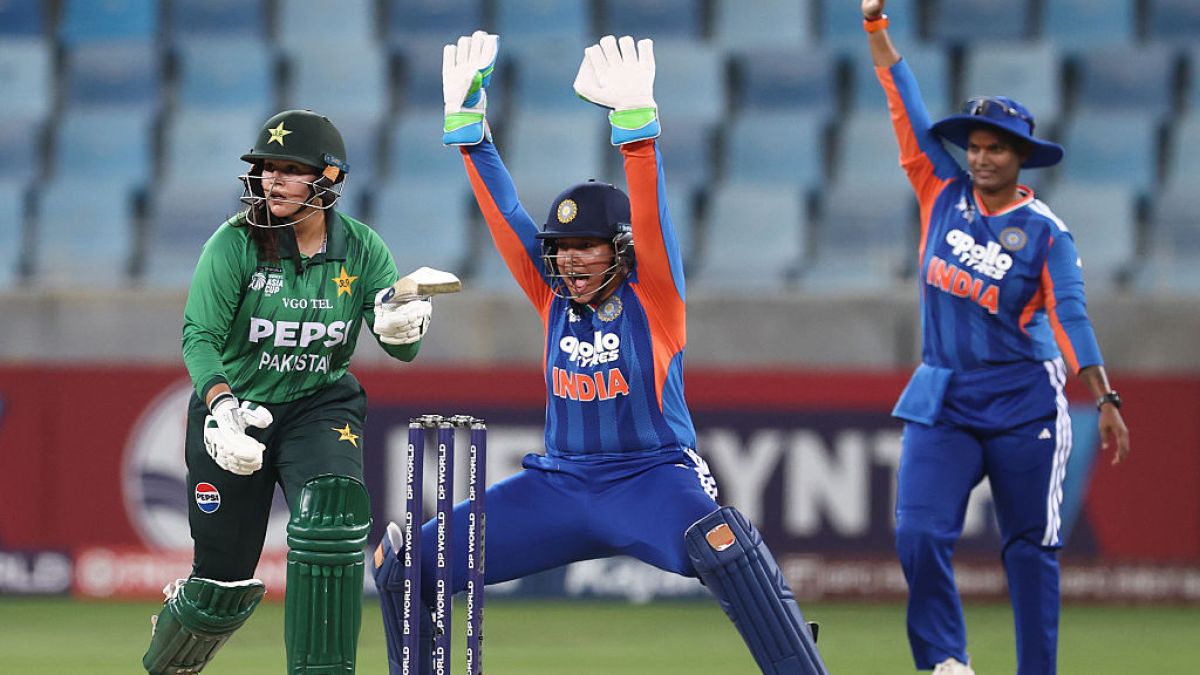
Pakistan Women’s 2026 DP World Women’s T20 Asia Cup campaign suffered a catastrophic structural failure on Saturday as they were dismissed for 55—their lowest-ever T20 International total. Opting to bat first at the Dubai International Stadium, Pakistan’s strategic intent to leverage scoreboard pressure backfired against India’s disciplined bowling unit. The transition from an aggressive powerplay blueprint to a total operational collapse underscores a widening execution gap between the two regional heavyweights.
While Pakistan sought to exploit early fielding restrictions, the decision to front-load aggression against India’s versatile spin department introduced an unsustainable risk profile. The resulting dismissal not only severely compromises Pakistan’s qualification trajectory in Group A but reinforces India’s psychological and statistical hegemony in subcontinental fixtures.
The Anatomy of a Powerplay Fracture
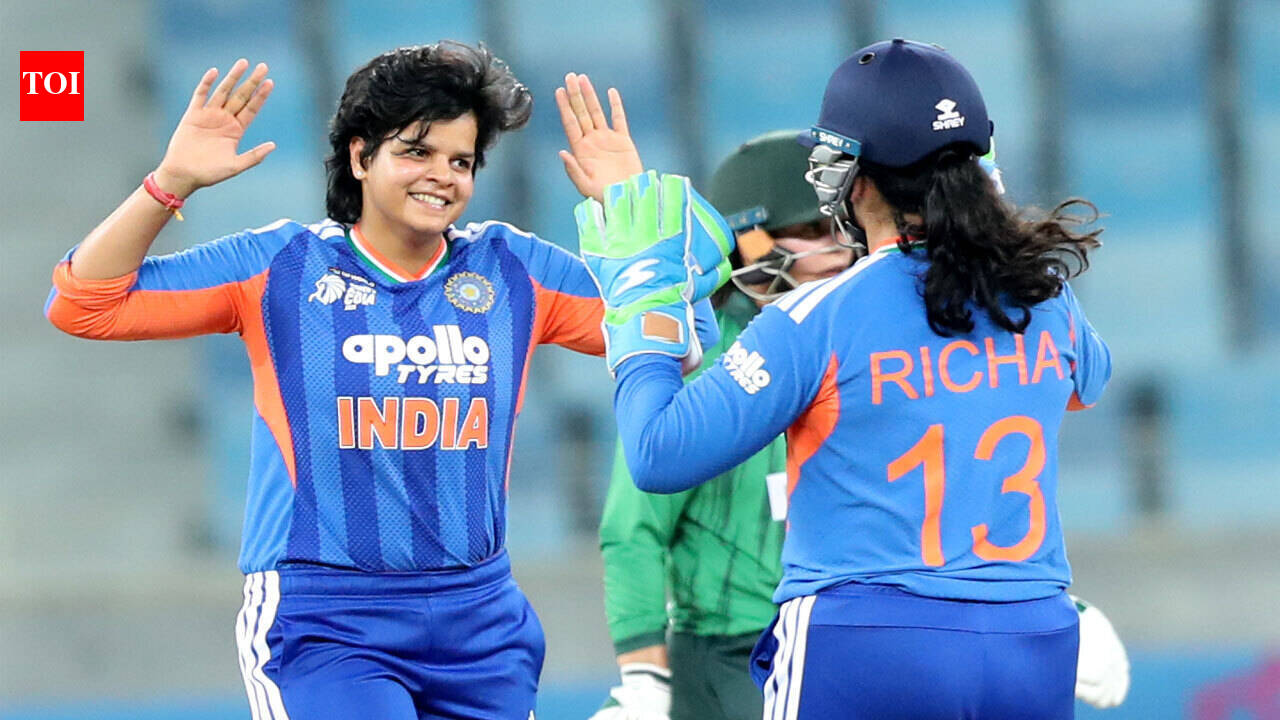
The innings initially suggested stability, with Pakistan reaching 27 without loss. Openers Shawaal Zulfiqar (14 off 14) and Muneeba Ali (13 off 15) provided the only double-digit contributions. However, this early baseline proved fragile. India’s Shafali Verma provided the initial breakthrough, clean-bowling Muneeba Ali and exposing a middle order that proved incapable of managing the sudden shift in momentum.
This single wicket served as the catalyst for an unprecedented institutional collapse. The loss of opening stability triggered a period of tactical panic, where strike rotation ceased and shot selection became increasingly erratic under the mounting pressure of India’s bowling variations.
The Eight-Run Extinction: Charani and Rawat’s Dominance
The match’s definitive phase occurred during the final over of the powerplay. Sree Charani executed a double breakthrough that dismantled Pakistan’s top-order resistance. Leveraging trajectory control and lateral movement, Charani, supported by Rawat, instituted a spin-led chokehold. The statistical fallout was stark: Pakistan plummeted from 27/0 to 35/6, surrendering six wickets for a mere eight runs.
This phase highlighted a systemic vulnerability to disciplined spin. India’s bowling unit effectively neutralized Pakistan’s lower-order recovery efforts by removing boundary opportunities and forcing low-percentage strokes. The surgical precision of the Indian attack ensured that the tail remained exposed and unable to absorb the strategic containment.
Historical Precedents and Macro-Tournament Impact
The final tally of 55 eclipses Pakistan’s previous record low of 56, set against New Zealand at the same venue in 2024. This repetition suggests an unresolved technical deficit in slow-pitch environments. For India, this performance registers as the fifth-lowest total they have ever conceded in T20I history, validating their high-frequency spin strategy as a premier defensive benchmark.
The Net Run Rate (NRR) implications for Group A are profound. While India secures a massive statistical buffer heading into the knockout stages, Pakistan faces a mathematical crisis, requiring improbable margins of victory in subsequent fixtures to remain competitive. Beyond the standings, the fixture illustrates a significant divergence in institutional preparation and high-pressure execution between the two programs.