Lloyd Avant’s Unheralded Rise to Prominence in Oklahoma’s Backfield
Lloyd Avant’s January transfer to the Oklahoma Sooners was largely overshadowed by more high-profile acquisitions, positioning him as an undervalued prospect within the program’s immediate recruitment narrative. This situation exemplifies the strategic complexities of college football’s transfer market, where public perception of player value can significantly diverge from internal assessments of performance potential and developmental trajectory.
The public reception of Avant’s arrival starkly contrasts with the considerable fanfare surrounding other portal additions, such as Hayden Hansen, Trell Harris, Parker Livingstone, E’Marion Harris, and Cole Sullivan. This disparity suggests a potential divergence between initial external evaluations and the coaching staff’s understanding of the transfer class’s collective impact.
Avant’s previous collegiate statistics, aggregating 676 rushing yards over two seasons with Colorado State and the Tulsa Golden Hurricane, indicate a player whose contributions have historically been nuanced. His proven efficacy on special teams, including leading the American Conference in average kick return yards with a touchdown, highlights distinct athletic capabilities beyond traditional running back metrics.
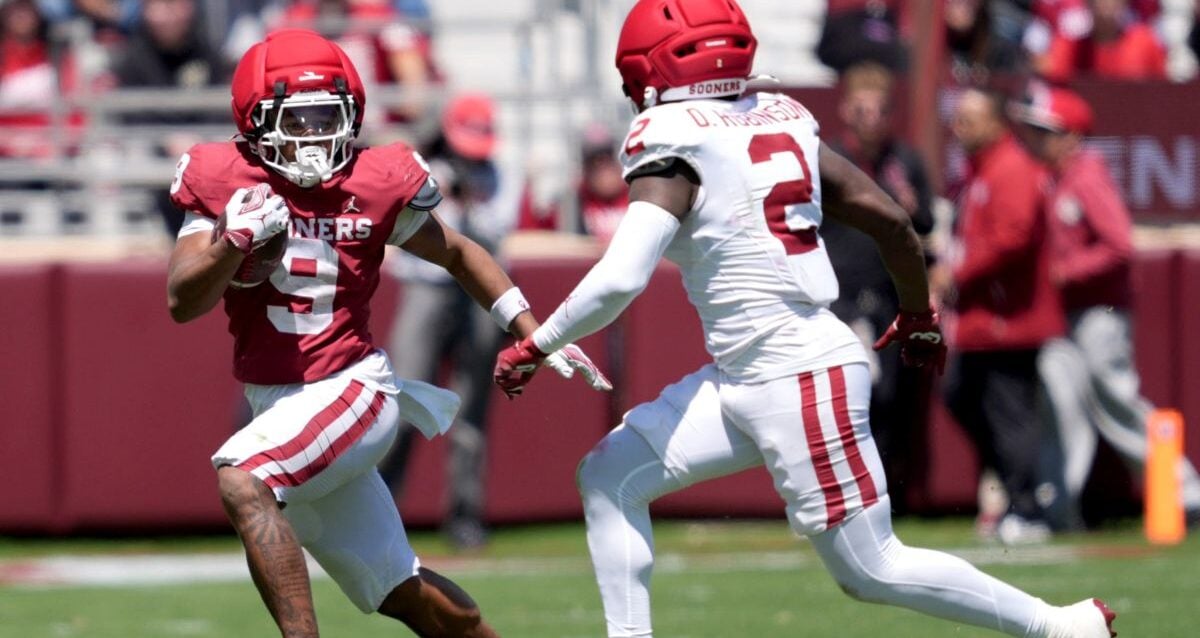
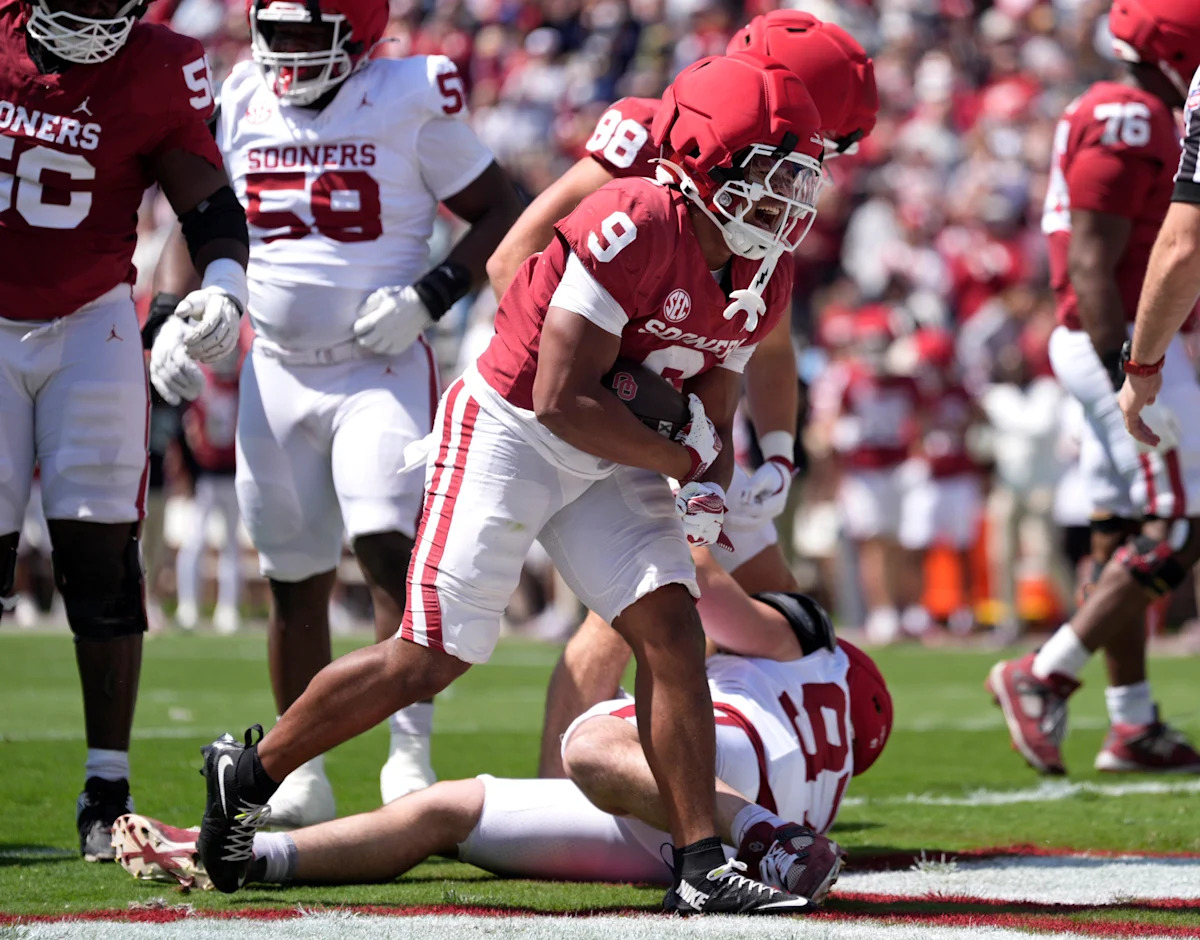
However, current reports indicate Avant is positioned for a significant role at running back, a development attributed by Head Coach Brent Venables to the player’s exceptional consistency. This emphasis suggests the coaching staff prioritizes reliability and minimizing errors, critical attributes for a demanding position.
Venables’ characterization of Avant as “incredibly consistent,” “quiet,” and “tough,” with “loud” play and competition, portrays a player whose impact is demonstrated through consistent execution rather than overt attention-seeking. The coach further described Avant as a “model of consistency and a low-maintenance dude,” implying a player who integrates seamlessly into team operations and adheres strictly to fundamental principles, thereby enhancing developmental efficiency.
This reported consistency has reportedly elevated Avant to become one of the most significant risers within Oklahoma’s running back unit during the offseason. Such internal progression, often unheralded externally, underscores the effectiveness of targeted player development and the potential for overlooked talent to exceed initial expectations within a structured program.
Running Backs Coach Deland McCullough’s acknowledgment of Avant’s steadiness further validates the coaching staff’s internal assessment of his impact. The coach’s focus on consistent performance highlights a player who reliably executes assignments, a foundational trait for building a cohesive and effective offensive unit, particularly in the running game where precision and timing are paramount.
The strategic implications for Oklahoma’s offensive scheme are considerable, as Avant’s emergence suggests a potential enhancement in the reliability of their rushing attack. A consistent run game provides a stable offensive foundation, influencing play-calling, defensive adjustments, and overall game management, especially within the competitive framework of the SEC.
Avant’s trajectory from an overlooked transfer portal acquisition to a potential starter mirrors a broader trend in college football where coaching acumen and player development can unlock latent potential, challenging the conventional emphasis on highly-touted recruits and highlighting the value of consistent performance and work ethic.
The internal competition within Oklahoma’s running back room is a critical factor, with Avant’s rise demonstrating a meritocratic environment where performance dictates opportunity. This competition cultivates accountability and drives continuous improvement among all players vying for a starting role.
From an operational standpoint, Avant’s described low-maintenance profile suggests efficient utilization of coaching resources. A player who requires minimal oversight and consistently executes allows the coaching staff to allocate focus toward broader strategic initiatives and the development of other team members.
While not directly quantifiable from the provided text, the financial implications for the program are intrinsically linked to player performance and overall team success. A potent rushing attack contributes to a winning record, positively impacting recruiting, fan engagement, and revenue generation for the athletic department.
Avant’s potential to contribute on special teams, where he has a proven track record, adds a layer of strategic versatility. The ability to contribute effectively across multiple phases of the game enhances a player’s value and expands the coaching staff’s personnel deployment options, particularly in critical game situations.
The timing of Avant’s emergence as a potential starter, coinciding with the season opener against the UTEP Miners, suggests his consistent offseason performance has met the threshold for significant playing time. This debut opportunity will serve as a critical evaluation of his readiness to translate internal development into tangible game-day contributions.
The prevailing media narrative surrounding Oklahoma’s transfer portal class may necessitate a recalibration, as Avant’s development underscores the importance of evaluating talent beyond initial recruiting rankings and transfer portal hype. This reinforces the role of specialized college football analysis in providing deeper insights into team dynamics and player potential.
The competitive leverage gained by Oklahoma through Avant’s development is substantial. By identifying and cultivating a player who was not a marquee acquisition, the program showcases a sophisticated approach to talent management, potentially creating a competitive advantage over programs that rely exclusively on highly-ranked recruits.
Oklahoma’s strategic decision to heavily invest in the transfer portal involves inherent risks and rewards. Avant’s progression suggests that a balanced approach, integrating high-profile additions with the development of overlooked talents, can yield optimal outcomes.
The incentives for players like Avant are significant: a consistent performer demonstrating strong work ethic and a team-first attitude can secure substantial opportunities, even without initial elite prospect recognition. This serves as a powerful model for other players navigating the transfer portal.
The flow of capital within college athletics, particularly in the transfer portal era, is driven by the pursuit of immediate impact and competitive advantage. Avant’s trajectory illustrates how strategic scouting and player development can represent a more sustainable and cost-effective deployment of resources compared to solely pursuing high-value, often costly, transfer targets.
The performance leverage derived from Avant’s consistency is multifaceted. It provides a dependable option in the running game, mitigates the risk of turnovers or missed assignments, and enables the coaching staff to implement a more predictable and effective offensive scheme. This operational efficiency directly translates into competitive strength.
The downstream effects on the perception of Oklahoma’s coaching staff are also noteworthy. Venables and McCullough are likely to receive acclaim for identifying, developing, and integrating Avant into a crucial role, reinforcing their reputations as effective recruiters and developers of talent.
This situation also serves as a valuable case study for other college football programs regarding the strategic utilization of the transfer portal. It emphasizes that success is not solely contingent on the quantity or perceived caliber of incoming transfers, but also on the quality of evaluation and the capacity for internal player development.
The competitive implications extend to future recruiting cycles, as Avant’s success story could influence how other overlooked players perceive Oklahoma as a potential destination. A reputation for developing talent, irrespective of initial recruiting status, can become a significant draw for prospective student-athletes.
Ultimately, Lloyd Avant’s journey from an unheralded transfer to a potential key contributor at Oklahoma exemplifies the dynamic and often unpredictable nature of college football. His narrative underscores the critical interplay of strategic acquisition, consistent performance, and effective coaching in shaping team success.