
Nationwide Cyber Assault on Water Infrastructure Unveiled
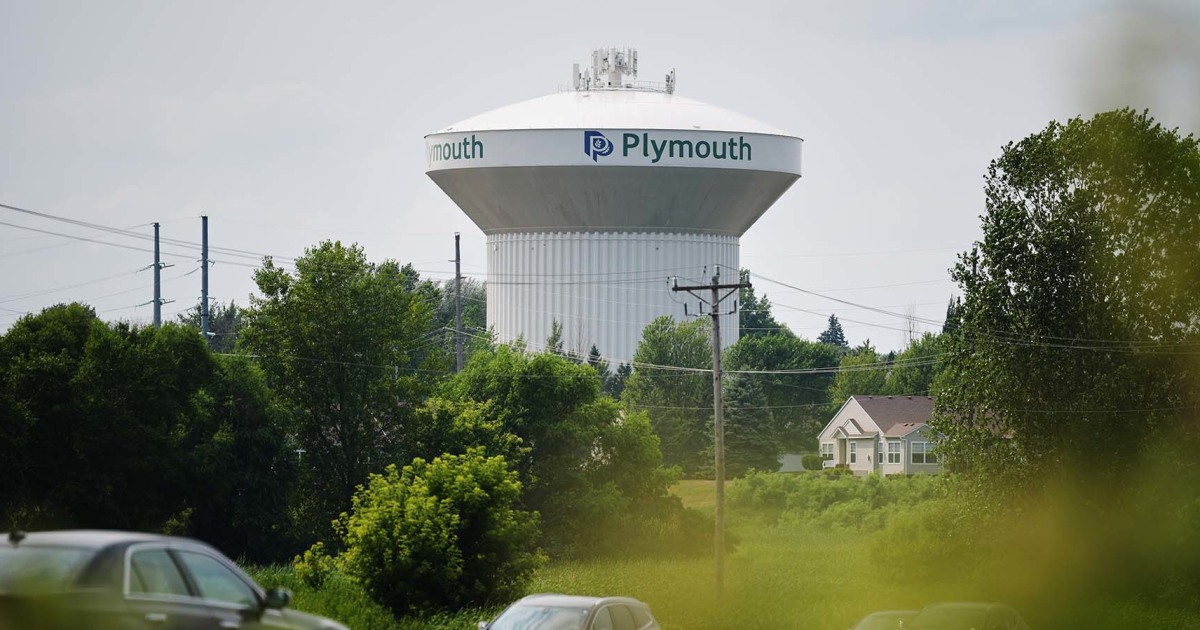
Coordinated cyberattacks have compromised operational technology at community water systems across at least 12 U.S. states, revealing significant vulnerabilities in critical infrastructure. These intrusions, occurring over a weekend, targeted over 30 municipal water facilities in Minnesota alone, with similar attacks reported nationwide. The decentralized nature of public water utilities, many lacking robust cybersecurity, amplifies this systemic risk.
Federal Agencies Mobilize Amidst Growing Threat
State IT services activated cybersecurity response protocols, engaging federal agencies like the FBI and EPA. The FBI confirmed impacts on water/wastewater utilities in seven states, with some operational degradation. This multi-state pattern suggests a deliberate campaign, prompting federal advisories urging enhanced security postures.
Operational Disruptions and Mitigation Strategies
While no immediate consumption advisories were issued, attacks caused operational disruptions, forcing some plants offline and impacting automated controls. Manual operations and backup procedures became essential, highlighting reliance on human intervention during system compromises. CISA noted larger attacks led to boil water notices and sustained manual operations, underscoring public health risks.
Suspected Actor and Attack Modus Operandi
Iran is identified as a prime suspect, though unconfirmed by U.S. authorities. Attacks focused on disrupting functions (e.g., changing passwords, disabling alarms) rather than data exfiltration, suggesting motives of public disruption and capability demonstration, aligning with state-sponsored cyber warfare tactics.
FBI Recommendations and Industry Response
The FBI issued urgent recommendations: disconnect systems from the internet where feasible, implement physical breakers, and ensure familiarity with manual controls. These directives underscore security gaps in operational technology (OT) environments with inadequately protected legacy systems. State police are coordinating with federal partners and environmental agencies to monitor the situation and advise municipal water systems.
Systemic Vulnerabilities in Decentralized Infrastructure
The attacks expose a critical vulnerability in the U.S.’s decentralized water infrastructure. Localized management leads to disparities in cybersecurity investment and expertise, creating numerous entry points for malicious actors. A single compromised system can impact broader networks or serve as a pivot point.
Economic and Public Health Implications
Widespread water supply and treatment disruptions pose significant economic and public health risks. Remediation costs, enhanced security measures, and sustained disruptions can impact local economies, public trust, and emergency response. Manual operations, while a fallback, are less efficient and prone to human error, potentially affecting service quality and compliance.
Strategic Implications for Critical Infrastructure Security
These attacks highlight the evolving threat to critical infrastructure. Targeting water systems, essential for public health, signifies a strategic shift by adversaries to exploit foundational services. This necessitates re-evaluating national cybersecurity strategies, emphasizing OT security and interagency collaboration.
Capital Allocation and Future Investment Trends
These incidents will likely increase capital allocation for cybersecurity in the water sector. Utilities with historical underinvestment face pressure to upgrade. This presents opportunities for OT and industrial control system cybersecurity firms, while potentially raising municipal operational costs.
Competitive Landscape and Vendor Accountability
Attacks potentially exploiting common software/hardware vulnerabilities may increase scrutiny on technology vendors. Utilities will demand greater security assurances, potentially shifting market share based on vendor cybersecurity performance.
Regulatory Oversight and Policy Evolution
Federal advisories suggest potential for increased regulatory oversight and policy development for water infrastructure cybersecurity. Frameworks may be strengthened to mandate minimum cybersecurity standards, especially for larger or nationally critical utilities.
Information Sharing and Threat Intelligence Ecosystem
The reliance on sources and federal advisories underscores the need for robust threat intelligence sharing. Effective mitigation requires timely, accurate information dissemination across the sector. Current fragmentation highlights the need for a cohesive ecosystem for sharing threat indicators and best practices.
Public Perception and Trust in Essential Services
Even the threat of cyberattacks on water systems can erode public trust. Transparent communication from providers and agencies about security measures and incident response is crucial.
Long-Term Strategic Imperatives for Resilience
These attacks demand a long-term strategy for water infrastructure resilience. This includes technological upgrades, workforce training, comprehensive incident response plans, and fostering a cybersecurity-aware culture to ensure rapid recovery from attacks.
International Dimensions and Geopolitical Signaling
If Iran is confirmed as the perpetrator, these attacks represent a significant geopolitical signal, demonstrating a willingness to target critical civilian infrastructure as a form of asymmetric warfare or coercive diplomacy, potentially escalating tensions.
The Interconnectedness of Critical Infrastructure
Water sector vulnerabilities reflect broader risks across interconnected critical infrastructure. Attacks can have cascading effects, underscoring the need for a holistic approach to national resilience that considers interdependencies.
Investment Leverage and Risk Mitigation Calculus
For utility operators, the investment calculus has shifted. The cost of proactive cybersecurity must be weighed against the potentially catastrophic costs of a breach, driving future capital expenditure and operational planning.
Operational Technology Security as a New Frontier
The focus on OT highlights a critical cybersecurity frontier. Securing OT environments, often with legacy architectures not built for modern threats, requires specialized approaches balancing operational continuity with robust controls.
The Role of Public-Private Partnerships in Defense
Addressing these threats effectively requires strengthened public-private partnerships. Collaboration is essential for developing advanced security solutions, sharing threat intelligence, and establishing common defense strategies, particularly vital for the decentralized water sector.
Future Preparedness and Scenario Planning
These incidents highlight the need for rigorous scenario planning and preparedness exercises. Regularly testing response plans and simulating attack vectors can significantly improve a utility’s ability to respond effectively to real-world cyber events.
The Evolving Threat of State-Sponsored Cyber Actors
Potential attribution to state actors signals increasing sophistication in cyber warfare. Understanding their motivations, tactics, and objectives is paramount for developing effective defenses and deterring future attacks on critical infrastructure.