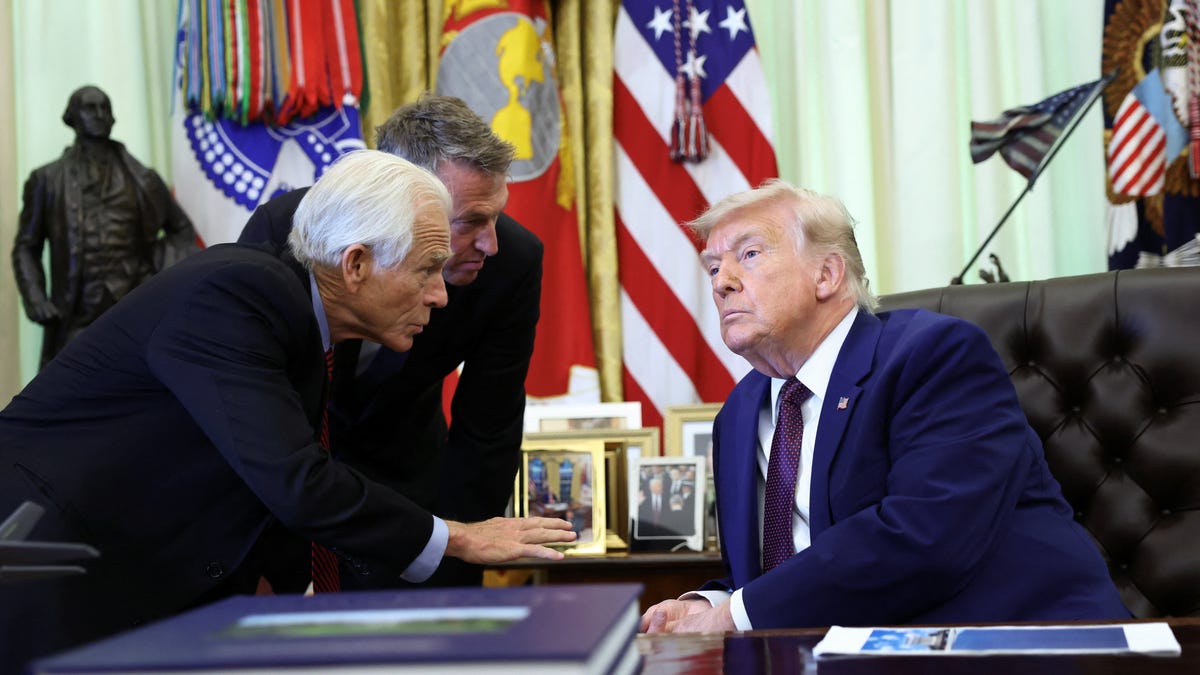
A three-judge panel on the US Court of Appeals for the District of Columbia Circuit issued a unanimous ruling rejecting former presidential adviser Peter Navarro’s appeal to overturn his contempt of Congress conviction. The decision affirms Navarro’s 2023 conviction on two misdemeanor counts of contempt after he defied House Select Committee subpoenas during its investigation into the January 6, 2021, Capitol attack.
During proceedings, Navarro contended that his non-compliance was legally protected by an assertion of executive privilege communicated by former President Donald Trump. However, Judges Patricia Millett, Nina Pillard, and Michelle Childs ruled that Navarro’s defense lacked the necessary evidentiary backing to demonstrate that formal mechanisms of executive privilege had been properly invoked.
Evidentiary Standards for Executive Privilege
The appellate ruling establishes a strict evidentiary benchmark for establishing executive privilege in legislative oversight inquiries. The court determined that informal directives or unverified assertions are insufficient to bypass statutory obligations to cooperate with congressional subpoenas.
By rejecting Navarro’s defense, the DC Circuit reinforced the constitutional boundaries of congressional oversight, affirming the legislative branch’s authority to compel document production and testimony from executive branch personnel. Legal analysts indicate the ruling sets a rigorous precedent for evaluating similar defenses in future legislative investigations.
Statutory Enforcement and Judicial Precedent
Navarro’s case highlights the statutory mechanisms designed to protect legislative fact-finding processes. Defying congressional subpoenas carries severe criminal liabilities under federal contempt statutes, a framework upheld by the judiciary through multiple tiers of review, including an unsuccessful emergency appeal to the U.S. Supreme Court prior to Navarro serving a four-month prison sentence in 2024.
The finality of the appellate decision resolves ongoing legal ambiguity regarding the enforceability of House committee subpoenas directed at high-ranking policy advisers, cementing accountability frameworks for congressional compliance.