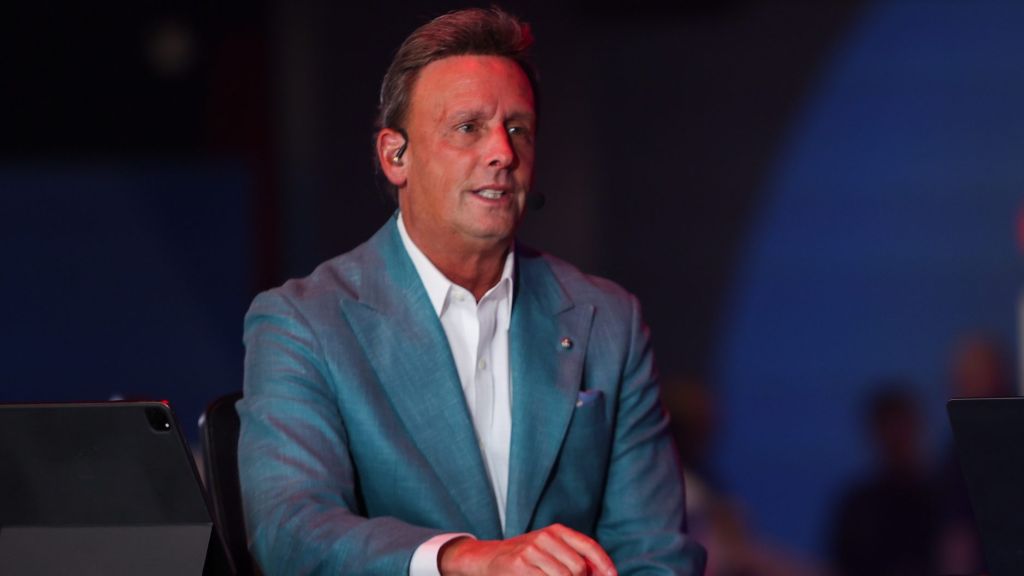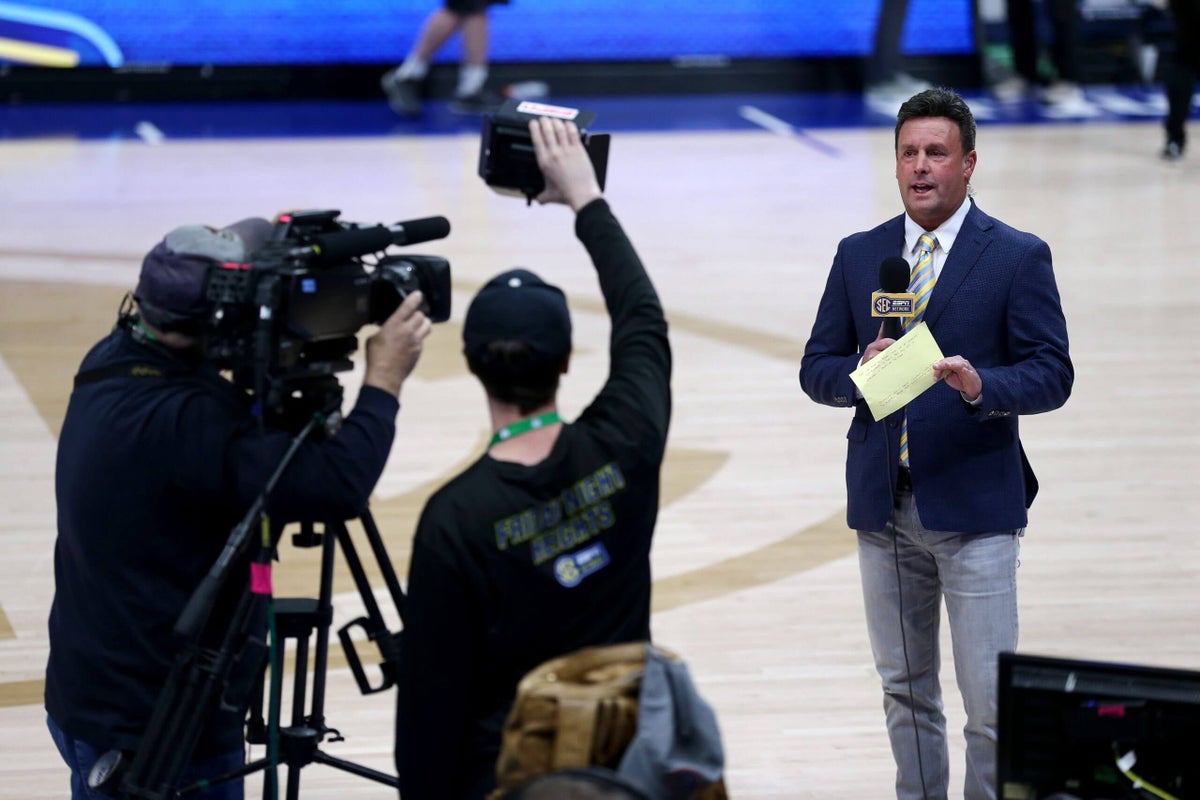
ESPN is undergoing significant organizational changes, marked by a wave of layoffs that includes veteran broadcaster Karl Ravech. After over three decades with the network, Ravech, a familiar voice across numerous sports, is expected to depart as part of these strategic adjustments.
Strategic Realignment and NFL Network Integration
These dismissals, which also affect NFL analyst Ryan Clark and are anticipated to impact behind-the-scenes staff, follow ESPN’s acquisition of NFL Network finalized in late January. This integration is a component of broader agreements with the NFL, which now holds a 10% stake in ESPN, signifying a major strategic pivot for the sports broadcasting giant.
The decision to part with long-tenured talent like Ravech, who joined ESPN in 1993, indicates a recalibration of talent strategy and cost management. Ravech’s extensive career, encompassing lead MLB play-by-play, hosting “Baseball Tonight,” college basketball coverage, and anchoring “SportsCenter,” highlights the significance of this change. His departure, alongside other expected cuts, suggests an effort to streamline operations and realign talent to align with evolving content strategies and financial objectives.
Financial Imperatives Driving Operational Efficiencies
The layoffs are occurring against a backdrop of financial pressures and a drive for operational efficiencies. While specific financial targets are not detailed, the scope of the cuts, especially those anticipated at NFL Network, points to a significant cost-saving imperative. The NFL Network integration likely offers opportunities for synergy and consolidation but necessitates difficult decisions regarding redundant roles and legacy talent structures.
The timing of these layoffs, post-acquisition, points to a deliberate integration process. This typically involves evaluating existing operational frameworks, identifying cost-reduction opportunities, and optimizing resource allocation. For ESPN, this may involve consolidating broadcast infrastructure, streamlining production workflows, and re-evaluating talent contracts to align with new financial realities and strategic priorities.
Talent Portfolio Reassessment and Future Programming
The departure of prominent on-air personalities like Karl Ravech signals a potential reassessment of ESPN’s talent roster and market positioning. The network may be focusing on cultivating new voices or reallocating resources towards talent that better aligns with current or future programming initiatives. The retention of MLB announcers Jon “Boog” Sciambi and Mike Monaco suggests a selective approach to talent management, prioritizing specific roles or broadcasting styles.
ESPN’s previous decision to opt out of its former MLB package, including Sunday Night Baseball, and subsequently negotiate a restructured deal, has already reshaped its baseball broadcasting landscape. Ravech’s role as lead play-by-play announcer for Sunday Night Baseball (2022-2025) was directly influenced by these programming shifts, underscoring how broadcast rights and scheduling impact talent decisions and associated costs.
Industry-Wide Trends and Stakeholder Impact
These layoffs have immediate personal consequences for affected individuals, particularly those with long tenures like Ravech and Clark. Beyond the individual impact, these changes can influence perceptions of ESPN’s brand and its commitment to established talent. For viewers, the departure of familiar voices may affect broadcast continuity and perceived quality.
From an industry standpoint, these moves reflect broader trends of consolidation and strategic adaptation in sports media. As networks navigate evolving media consumption patterns, digital transformation, and escalating broadcast rights costs, workforce adjustments are becoming more common. The integration of NFL Network also prompts questions about the future operational structure and content strategy for both entities, potentially altering competitive dynamics within sports broadcasting.
Structural Pressures in the Evolving Media Landscape
The structural pressures driving these decisions are complex, encompassing the economics of sports broadcasting, fragmented media consumption, and the strategic imperative to leverage new assets. Integrating NFL Network introduces challenges in merging organizational cultures, operational systems, and talent pools, often requiring the identification of redundancies and strategic investment choices.
The sports media industry faces high content acquisition costs and a constant need for innovation amidst changing viewer preferences. Networks are increasingly focused on optimizing operations, enhancing digital offerings, and ensuring long-term financial viability. Layoffs, while often a last resort, can be a consequence of these broader strategic and economic imperatives, aimed at improving efficiency and reallocating resources to core growth areas.
Competitive Dynamics and Future Outlook
The integration of NFL Network into ESPN has the potential to reshape competitive dynamics in sports broadcasting. By consolidating assets and creating more integrated content offerings, ESPN could strengthen its market position, particularly regarding NFL-related programming. This necessitates careful management of league relationships and a clear articulation of value for advertisers and viewers.
ESPN’s long-term trajectory will likely involve balancing its established brand and content with the effective integration of new assets and adaptation to the dynamic media landscape. Decisions regarding talent, programming, and operations will be crucial for future success and market leadership. The current layoffs serve as a tangible indicator of the strategic adjustments being made to navigate these complex challenges.