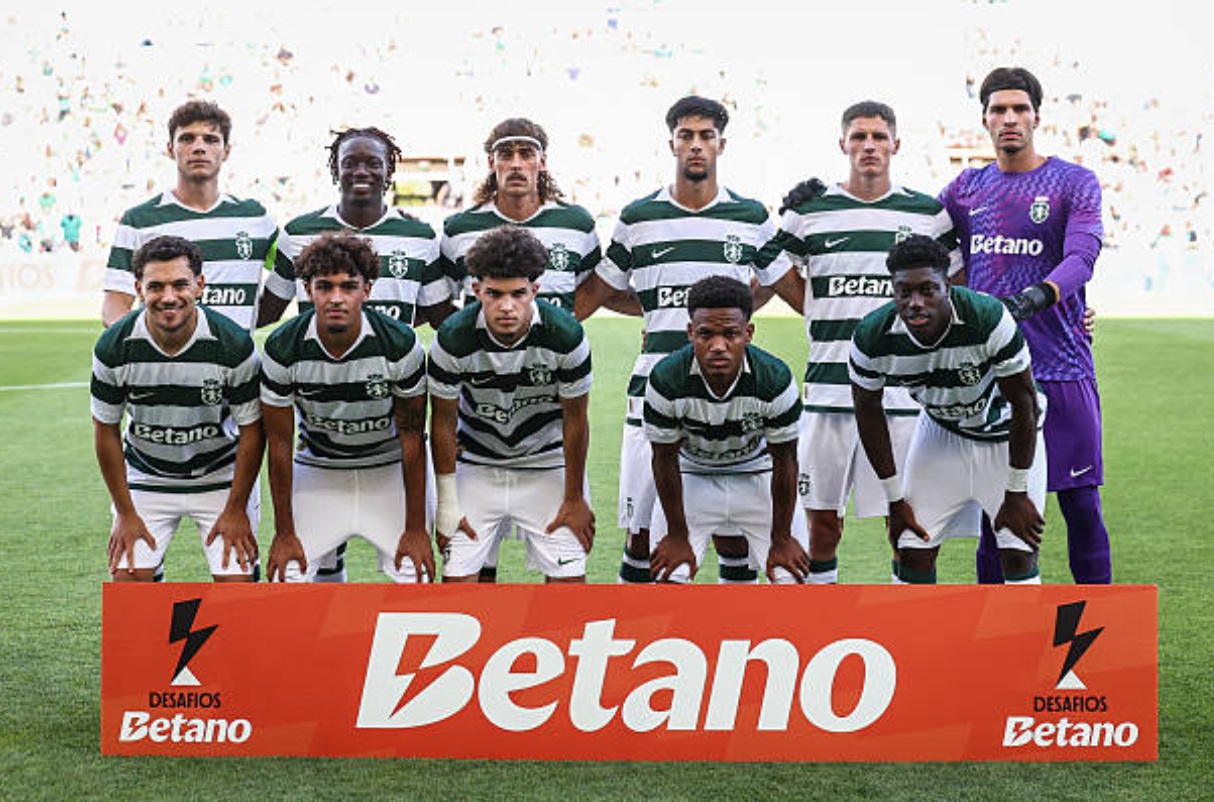
The upcoming pre-season fixture between Sporting CP and RC Strasbourg Alsace transcends the standard summer exhibition, serving as a critical diagnostic for two organizations navigating antithetical phases of institutional development. For Sporting CP, the match represents the tactical refinement of a high-output offensive paradigm. Conversely, Strasbourg enters the contest seeking structural equilibrium following a period of unprecedented technical volatility, having cycled through three managers in a single six-month window.
Tactical Continuity and the Borges Mandate
Sporting CP’s transition into the 2026/27 cycle is defined by an urgent mandate to bridge the marginal gap that resulted in a silver-medal finish behind FC Porto. Under Rui Borges, the Lisbon club has pivoted toward an aggressive, high-transition model, evidenced by a 12-2 aggregate scoring run in the twilight of the previous campaign. This momentum was sustained in their recent 4-1 dismantling of Celtic, a result that served as a performance proxy for the squad’s readiness to execute complex pressing triggers.
By prioritizing technical continuity, Sporting aims to capitalize on the early-season vulnerabilities of domestic rivals currently mired in personnel integration. The friendly against Strasbourg acts as a final calibration point for Borges to solidify defensive rotations without compromising the clinical efficiency that has defined his tenure. From a market perspective, a dominant display reinforces Sporting’s status as the primary title contender ahead of the August 8th league opener, influencing late-window retention and recruitment strategies.
The ‘Stability Deficit’ and Strasbourg’s Technical Reset
RC Strasbourg Alsace approaches the new campaign amidst profound administrative churn. The departures of Liam Rosenoir to Chelsea and Gary O’Neil to Ipswich Town illustrate the club’s role as a high-visibility laboratory for coaching talent, yet this migration has created a significant ‘stability deficit.’ The appointment of Portuguese manager Hugo Oli is a strategic attempt to arrest this churn and establish a sustainable competitive identity.
Oli inherits a squad subjected to multiple philosophical shifts in rapid succession, making this pre-season window essential for psychological and tactical recalibration. The Sporting fixture provides a high-level benchmark to assess squad adaptability. For the ownership group, the challenge lies in decoupling operational success from individual managerial trajectories, ensuring the club’s internal systems are robust enough to survive the talent drain to the Premier League.
Commercial Evolution and Narrative Packaging
The broadcast of this match on beIN SPORTS highlights the increasing commercialization of pre-season content. As the incoming home for Liga Portugal, beIN SPORTS is leveraging this fixture to build narrative momentum and secure early-season subscription growth. The ‘reconstruction’ theme provides a compelling hook for neutral viewers, framing a friendly as a high-stakes preview of the European landscape.
Furthermore, the integration of betting markets—positioning Sporting CP as 4/7 favorites—underscores the professionalization of these exhibitions. Market sentiment heavily favors the established Borges project over the nascent transition at Strasbourg. For both clubs, this international visibility is vital for enhancing commercial partnerships and player valuation metrics, demonstrating that modern pre-season matches are as much about brand equity as they are about match fitness.