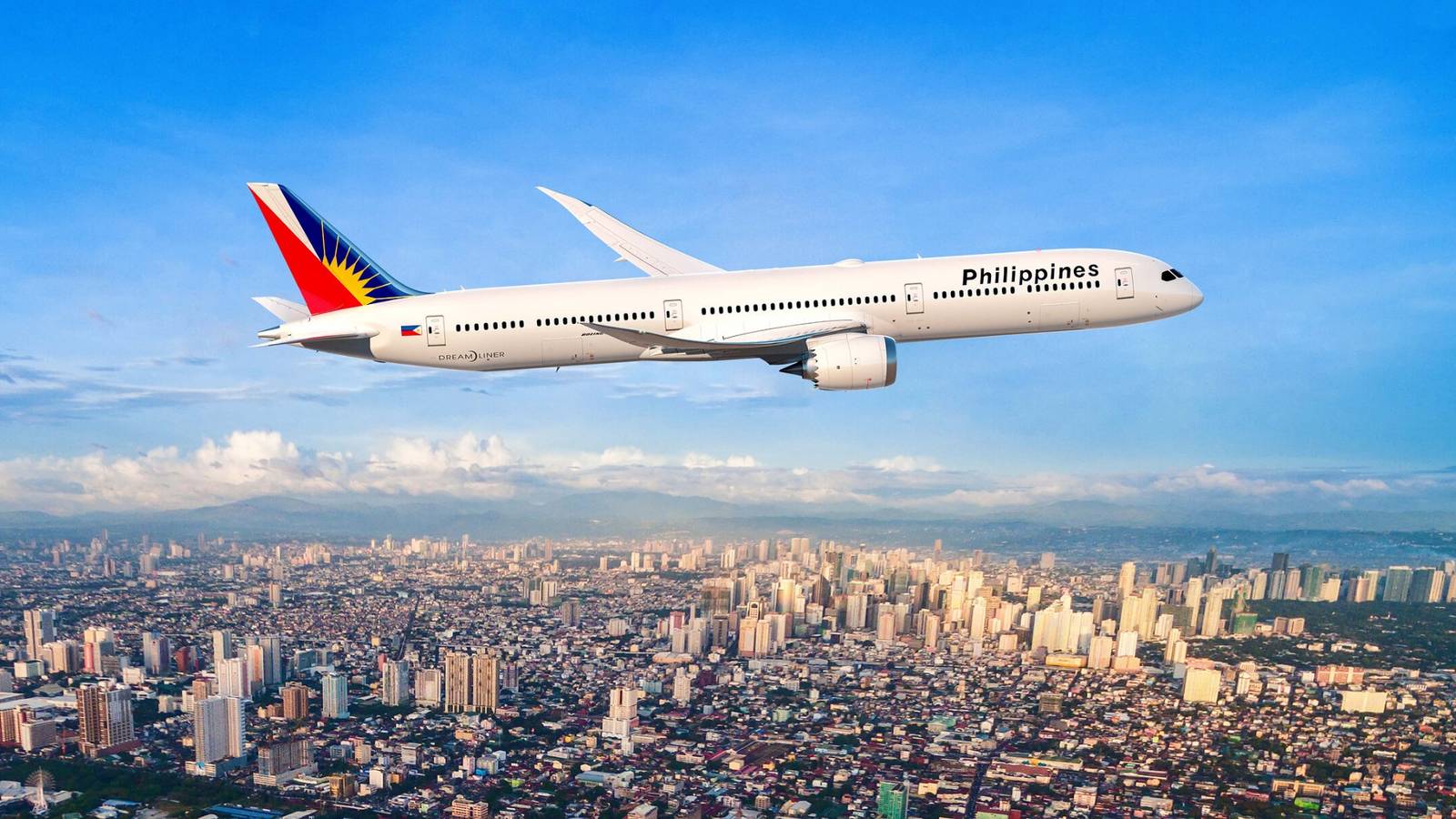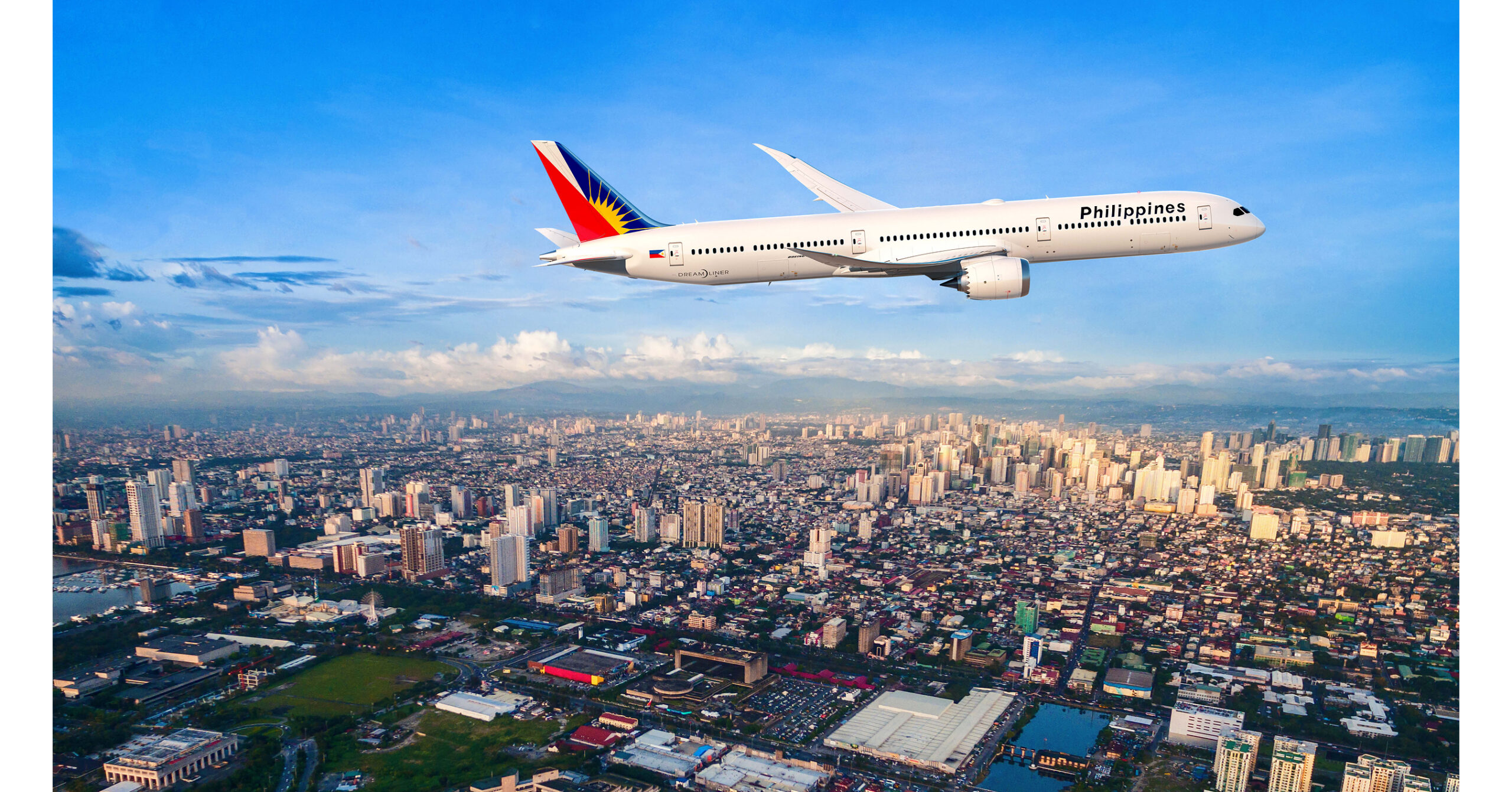
Philippine Airlines (PAL) has executed a decisive shift in its long-term capital allocation strategy, committing to the acquisition of up to 20 Boeing 787-10 Dreamliners. The agreement, finalized at the 2026 Farnborough International Airshow, comprises 15 firm orders and five options. This procurement ends a 20-year hiatus in direct Boeing widebody orders, signaling a strategic diversification of PAL’s long-haul fleet and a recalibration of its manufacturer relationships.
Strategic Diversification and the 20-Year Procurement Gap
The return to Boeing for widebody requirements represents a fundamental shift in PAL’s operational philosophy. For two decades, the carrier primarily focused on modernizing its twin-aisle fleet through alternative platforms. By selecting the 787-10, the largest variant in the Dreamliner family, PAL is addressing structural gaps in its medium-to-long-haul capacity. This move establishes a dual-fleet strategy that enhances the airline’s negotiating leverage and operational resilience against supply chain volatility.
Institutional continuity remains a cornerstone of this deal. Celebrating its 85th anniversary, PAL maintains an 80-year relationship with Boeing. This historical depth facilitates a seamless integration process, as the airline can leverage existing maintenance infrastructure and technical expertise while transitioning to next-generation fuel-efficient technology.
Operational Economics: Capacity and Commonalities
The 787-10 is engineered for high-density, high-efficiency operations, making it uniquely suited for PAL’s primary routes across Asia and the Pacific. The aircraft provides a superior seat-mile cost ratio compared to previous-generation airframes, a critical metric as regional competition intensifies and fuel price volatility persists.
Strategically, the 787-10 complements PAL’s existing fleet of 10 Boeing 777s. The commonality between these platforms streamlines pilot training and maintenance protocols, reducing the overhead typically associated with fleet expansion. While the 777 remains the workhorse for maximum-load long-haul routes, the 787-10 offers the tactical flexibility to serve high-capacity regional routes and secondary long-haul destinations with optimized fuel burn.
Sustainability and Financial Resilience
From a fiscal perspective, the 15 firm orders secure essential delivery slots within a constrained global aerospace supply chain. This proactive positioning mitigates the risk of future price escalations and ensures that PAL’s modernization timeline remains intact. The additional five options provide a scalable buffer, allowing the carrier to adjust capacity based on real-time market demand without immediate capital expenditure.
The Dreamliner’s advanced aerodynamics and engine technology are central to PAL’s decarbonization goals. By reducing carbon emissions and noise signatures, the airline aligns itself with tightening global regulatory standards and the rising demand for sustainable travel. This investment signals robust institutional health, demonstrating to stakeholders that PAL Holdings possesses the balance sheet strength to commit to multi-billion dollar long-term assets.
Conclusion: Competitive Positioning in Southeast Asia
The 787-10 acquisition is more than a fleet update; it is a declaration of intent. As Southeast Asia’s first commercial airline, PAL is leveraging its heritage to build a more efficient, technologically advanced future. By optimizing its long-haul product with the 787-10’s superior cabin environment and operational economics, PAL is well-positioned to capture increasing market share in the trans-Pacific and regional sectors, ensuring its competitive edge for the next decade of global aviation.