Institutional Weight and Strategic Legacy
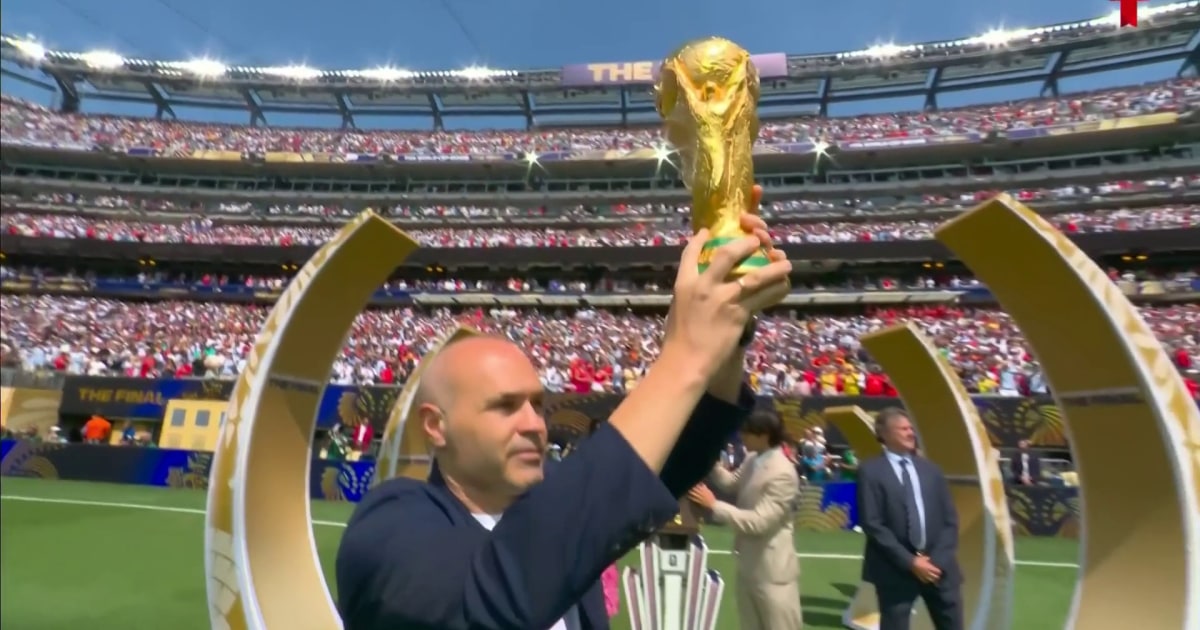
The 2026 World Cup final between Argentina and Spain serves as a nexus for historical narrative and corporate scalability. By featuring icons Mario Kempes and Andrés Iniesta, FIFA effectively bridged historical heritage with contemporary commercial expansion. This symbolic integration legitimizes the tournament’s evolution, transforming the presentation into a high-value asset for global media consumption.
Logistical Orchestration in North America
The selection of the New York/New Jersey hub underscores a pivotal shift toward North American sports market penetration. This venue functions as a critical node for high-level stakeholder engagement and broadcast distribution. The precise choreography of the pre-match ceremony demonstrates a calculated approach to maximizing viewer retention, ensuring a seamless transition from ceremonial buildup to the competitive event.
Stakeholder Dynamics and Market Positioning
The participation of Argentina and Spain highlights divergent national branding strategies within the football ecosystem. Success here is measured not merely by the trophy, but by the influence exerted over youth talent pipelines and domestic league valuations. The alignment of tournament outcomes with broader media rights strategies—as discussed by executives regarding UEL/UCL synergy—reveals a deliberate effort to sustain annual audience engagement beyond the tournament cycle.
Socio-Economic Continuity and Audience Reach
Generational narratives, exemplified by the transition from Lionel Messi’s era to prospects like Lamine Yamal, provide a durable arc that mitigates audience churn. Broadcasters like Telemundo have capitalized on this through localized, multi-demographic strategies that broaden the sport’s reach. This economic diversification is central to the industry’s objective of maintaining the World Cup as the premier global sporting commodity.
Systemic Implications for Future Cycles
The 2026 final functions as a definitive case study in modern event professionalization. The delicate equilibrium between maintaining the competition’s historical prestige and satisfying current commercial mandates establishes a blueprint for future governing body strategies. As the industry advances, the capacity to harmonize cultural legacy with data-driven operational efficiency will dictate the long-term sustainability of international football governance.