
Rapid Realignment Ignites Maine’s Democratic Senate Primary
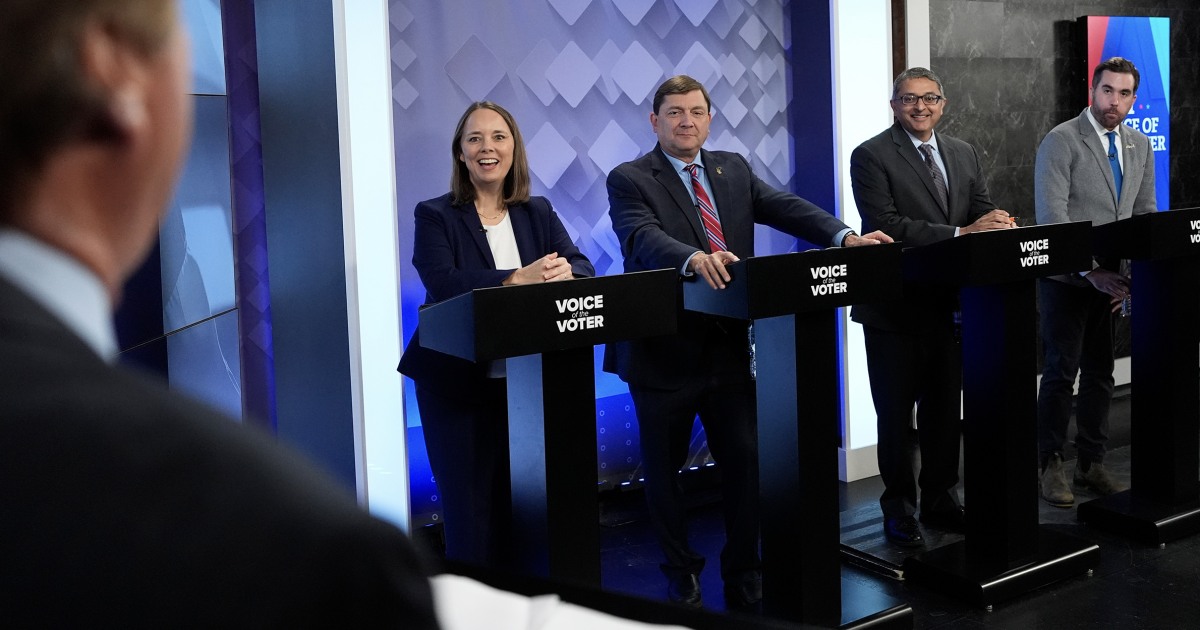
Graham Platner’s unanticipated withdrawal has profoundly reshaped the political landscape of Maine’s Democratic Senate primary, triggering an immediate and intense realignment. This abrupt departure created a sudden vacuum, accelerating the nominating process and compelling a rapid scramble among potential successors to secure a ballot position for the general election. The ensuing quick-fire contest underscores the inherent volatility of electoral cycles, where established trajectories can be instantaneously disrupted, demanding swift strategic adaptation from both parties and candidates under considerable pressure. Initial candidate engagements, including expedited debates, quickly highlighted the urgency and the strategic imperative to consolidate support within a truncated timeline.
The Progressive Lane: Maine’s Pivotal Ideological Battleground
Central to this accelerated primary is the intensified struggle for the ‘progressive lane,’ signifying a critical ideological cleavage within Maine’s Democratic base. This strategic imperative forces candidates to specifically appeal to an electorate segment prioritizing left-leaning policy positions and social reforms. The contest for the progressive mantle dictates not only campaign messaging and policy articulation but also coalition-building strategies, compelling candidates to meticulously differentiate their progressive bona fides beyond general party affiliation. This intra-party competition reflects broader national trends within the Democratic Party, where the influence of its progressive wing has demonstrably expanded.
Securing this ideological pathway carries significant long-term implications. The victorious candidate’s progressive profile will substantially influence the party’s platform and legislative priorities, potentially shaping its future strategic direction. Furthermore, the perceived ideological purity of the eventual nominee presents a dual challenge: energizing the dedicated progressive base while potentially complicating outreach to crucial moderate and independent voters in the general election statewide contest.
Troy Jackson’s Early Momentum and Recalibrating Competitive Dynamics
Amidst this volatile realignment, Troy Jackson has reportedly seized significant early momentum, establishing a lead in the race to succeed Graham Platner. This immediate advantage signals a highly effective initial response to the sudden vacancy, demonstrating successful mobilization of support within the extremely compressed timeframe. Jackson’s rapid ascent fundamentally alters the competitive calculus for other contenders, forcing an urgent recalibration of their campaign strategies.
A leading candidate’s early traction, like Jackson’s, often precipitates a ‘virtuous cycle’: attracting greater donor confidence, amplifying media visibility, and galvanizing volunteer engagement. Conversely, trailing candidates now face intensified pressure to articulate distinct differentiators, secure high-profile endorsements, and urgently demonstrate a viable path to victory to counter potential erosion of support. This dynamic also influences the broader political ecosystem, potentially directing crucial financial and organizational resources, previously uncommitted or awaiting clarity, towards the perceived frontrunner. Early positioning, therefore, becomes paramount in such a rapidly evolving primary contest.
Operational Pressures and Agile Resource Mobilization Challenges
The imperative of an expedited nominating process, a direct consequence of Platner’s unforeseen departure, levies substantial operational and logistical pressures across the entire electoral ecosystem. Political parties must activate their candidate vetting, fundraising, and grassroots mobilization architectures with unprecedented speed. This severely condensed timeline strains organizational resources, necessitating agile decision-making and efficient deployment of campaign infrastructure.
For candidates, the challenge is immense: rapidly cultivating name recognition, articulating nuanced policy platforms, and securing critical endorsements—all without the customary luxury of a prolonged campaign cycle. Furthermore, the compressed schedule intrinsically limits the depth of public scrutiny, potentially impeding comprehensive voter education and thorough candidate evaluation. This scenario often confers an inherent advantage upon candidates possessing pre-existing political capital, robust networks, or significant personal resources, as they are better equipped to absorb and respond to such immediate demands.
Financially, the disruption mandates an immediate and significant reallocation of campaign resources. Donors, previously aligned or observing, must swiftly reassess investment strategies. Capital tends to flow towards campaigns exhibiting viability and momentum, making Jackson’s early lead particularly potent for fundraising. Rival campaigns face the urgent task of securing new funding to scale operations rapidly, often lacking a pre-existing war chest for a primary of this sudden nature. Strategic deployment of limited financial, volunteer, and media resources becomes paramount to maximize impact within the condensed period.
For the Maine Democratic Party, this rapid transition tests its adaptive capacity. It must balance the exigency of nominating a strong, viable candidate with the imperative of maintaining party unity and ideological coherence, all while projecting stability amidst profound, unexpected change. This requires careful financial stewardship and strategic engagement with broader party apparatus, including national committees.
Systemic Repercussions and Stakeholder Realignments
Platner’s exit and the subsequent expedited primary have significant systemic repercussions, compelling various stakeholders into rapid strategic realignments. Maine Democratic Party leadership faces the intricate challenge of managing a potentially contentious internal contest while preserving party cohesion vital for the general election. Grassroots organizations and advocacy groups aligned with progressive causes find a heightened opportunity to exert influence, shaping candidate selection and leveraging their capacity for voter mobilization and message amplification.
National Democratic Party committees and allied entities are closely monitoring this race, evaluating the viability of emerging nominees and the overall competitiveness of the seat. Their strategic investments and endorsements will prove crucial in shaping the primary’s outcome and fortifying the general election campaign. The broader electorate, particularly Platner’s former supporters, must now re-evaluate their choices, engaging with a newly defined field of candidates. This often leads to fluid voter sentiment, requiring intensive re-engagement and persuasion efforts from campaigns targeting a potentially disoriented voter base.
The media narrative, transformed from a routine primary into a high-stakes, rapidly unfolding drama, plays a disproportionate role in shaping public perception. Intense scrutiny highlights not only candidate platforms and momentum shifts but also internal party cleavages. The ‘horse race’ aspect, with its focus on frontrunners like Jackson, often overshadows deeper policy discussions. Campaigns must navigate this amplified media environment with clear, consistent messaging and robust rapid response capabilities, recognizing the media’s critical function as a primary information source for voters under time constraints.
Ultimately, this expedited primary holds enduring implications for Maine’s long-term electoral trajectory and the resilience of its democratic institutions. The eventual nominee will carry the mandate of a swiftly mobilized base into the general election, and the party’s adeptness in managing this transition will attest to its organizational strength. The outcome of the progressive lane battle, in particular, will signal future ideological directions for the party, influencing subsequent candidate recruitment and policy debates. This entire episode serves as a compelling case study in the complexities of modern political campaigning, demonstrating how unforeseen events can trigger profound cascading effects across operational, financial, and strategic dimensions, demanding decisive and effective pivots from political actors.
Conclusion: Navigating Disrupted Electoral Dynamics in Maine
Graham Platner’s unexpected withdrawal has profoundly disrupted Maine’s Democratic Senate primary, transforming it into a high-stakes, accelerated contest. This event exemplifies the critical impact of unforeseen occurrences on established political processes, intensifying the battle for the progressive lane and propelling Troy Jackson into an early lead.
The rapid realignment highlights the immense operational, financial, and strategic pressures confronting candidates and the party. Effective adaptation, agile resource mobilization, and astute navigation of internal party dynamics, external electoral pressures, and a rapidly evolving media landscape are paramount to shaping the ultimate outcome. As this expedited process unfolds, its repercussions will extend beyond candidate selection, influencing party unity, voter engagement, and the long-term electoral trajectory for Maine’s political representation.

Photo by miezekieze on Pixabay.