
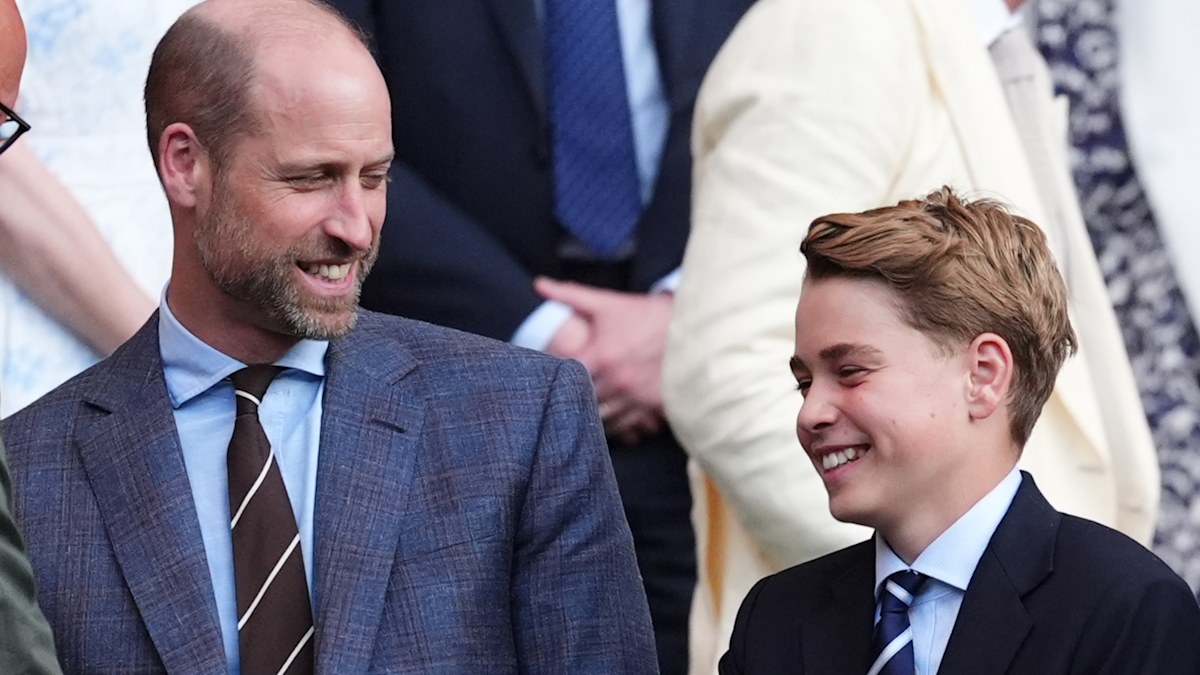
Generational Shifts in Royal Upbringing
Prince George’s imminent enrollment at Eton College signifies a notable departure from the educational paths of his father, Prince William, and uncle, Prince Harry. This generational evolution in royal child-rearing reflects a deliberate recalibration of parenting strategies within the modern monarchy, influenced by contemporary societal norms and technological advancements.
The primary divergence stems from the familial context surrounding their respective Eton experiences. Prince William entered Eton amidst significant marital discord between his parents, Charles and Diana, whereas Prince George is entering from a reportedly stable home environment. This foundational difference in domestic stability, as highlighted by royal author Robert Jobson, is posited to foster a more inherently confident disposition in George, potentially requiring less overt cultivation of self-assurance.
William’s initial Eton experience, documented by Jobson, included a formal photograph with his parents and housemaster, Dr. Andrew Gailey. This image predated his parents’ finalized divorce, underscoring the intense public and institutional pressures characteristic of royal childhoods of that era. The subsequent loss of Diana and Dr. Gailey’s pivotal role as a stabilizing influence for William illuminate the profound impact of personal tragedy against a backdrop of heightened public visibility.
Succession Dynamics and Intensified Scrutiny
The strategic approach to raising the current generation of royals, including Prince George, Princess Charlotte, and Prince Louis, markedly differs from that of Prince William’s youth. Royal commentator Victoria Arbiter notes a conscious effort by the Prince and Princess of Wales to afford their children greater personal freedom and a less pressurized upbringing, a departure from the more stringent expectations placed on earlier royal generations.
This recalibration is intrinsically linked to their evolving positions within the line of succession. Unlike Prince William, who was second in line to the throne from birth, Prince George’s generational placement allows for a less immediate burden of responsibility. This shift in the perceived urgency of preparing the heir directly influences parenting philosophy, prioritizing a more normalized childhood experience.
The pervasive influence of social media represents another critical differentiator impacting Prince George’s formative years. The constant digital gaze and the potential for widespread dissemination of personal information mean that the ‘small freedoms’ once afforded to William and Harry are now significantly curtailed. This heightened public and media exposure necessitates a more guarded approach to privacy, fundamentally altering the nature of his adolescent years compared to his father’s.
Strategic Parenting and Institutional Adaptation
The Prince and Princess of Wales’s parenting decisions demonstrate strategic adaptation to the contemporary media landscape and the evolving role of the monarchy. By prioritizing a stable home environment and fostering greater personal development, they aim to insulate their children from the more intense pressures that defined earlier royal lives.
This approach signifies a long-term institutional strategy focused on ensuring future heirs are well-adjusted and resilient, equipped to navigate public life’s demands without the psychological impacts of excessive early exposure to scrutiny and hardship. The emphasis on fostering confidence from a secure foundation suggests a focus on intrinsic character development over externally imposed expectations.
The contrasting circumstances of William’s entry into Eton—marked by parental separation and impending personal tragedy—versus George’s, from a unified family unit, highlight a fundamental shift in how the institution prepares its next generation. This strategic parenting aims to equip Prince George with a distinct set of internal resources to navigate the unique challenges of being a modern royal.
Eton’s Evolving Role in Shaping Modern Royals
Eton College, as an institution, plays a pivotal role in this evolving narrative, serving as a crucible for shaping future leaders. For Prince William, it was a sanctuary and a place of mentorship during a turbulent personal period, with Dr. Andrew Gailey providing vital support.
For Prince George, Eton will likely represent a different formative experience, one where the pressures of his future role are managed with a more conscious awareness from the outset. The institution’s historical significance and its legacy in educating generations of the British elite ensure George’s time there will be subject to scrutiny, but the context of his upbringing suggests a potentially different internal experience.
The divergent circumstances of their respective arrivals at Eton underscore a broader trend in royal family management: a conscious effort to adapt to 21st-century realities. This includes navigating the complexities of public perception, the relentless digital media cycle, and the imperative to foster well-rounded individuals prepared for a future that is both historically significant and unprecedented in its public exposure.