Core Financial Dynamics and Multi-Jurisdictional Capital Management
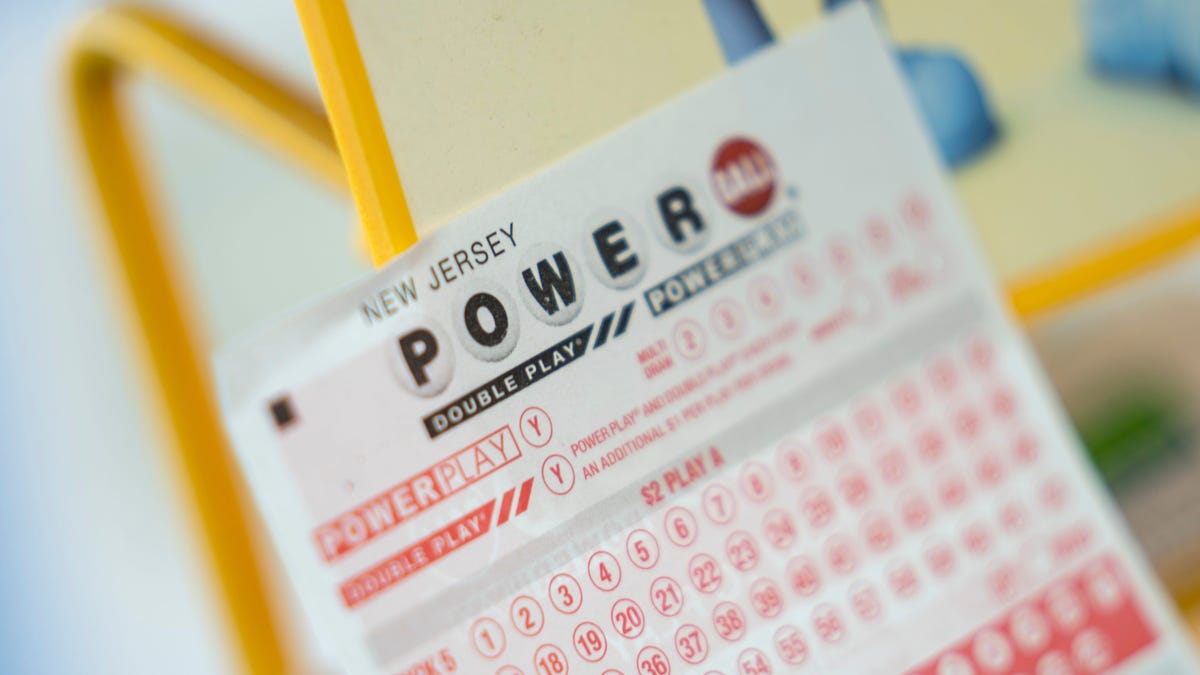
The Powerball jackpot’s recent ascent to an estimated $478 million, with a cash value of $212.2 million for the Monday, July 13, 2026, drawing, profoundly illustrates the sophisticated financial engineering inherent in large-scale multi-state lottery operations. This significant increase from the $457 million advertised for the July 11 drawing, following no top prize winner, creates a positive feedback loop: sustained player engagement drives rollovers, which in turn amplifies future participation by presenting an even larger, more aspirational prize pool.
The strategic distinction between the advertised annuity jackpot and its lower, immediate cash value is a fundamental financial mechanism influencing both player perception and the lottery’s fiscal stability. While the cash value offers an instant lump sum, the annuity option, typically paid over 30 years, acts as a crucial liquidity management tool for the lottery organization. It mitigates immediate financial exposure and enables the investment of the prize pool, potentially yielding returns that cover the deferred payments. This dual offering caters to different player preferences while optimizing the lottery’s long-term financial health.
Managing a prize pool of this magnitude across 45 states, the District of Columbia, Puerto Rico, and the U.S. Virgin Islands necessitates an intricate multi-jurisdictional financial and logistical framework. The Multi-State Lottery Association (MUSL) implicitly coordinates this capital pooling, ensuring standardized rules, equitable prize fund distribution, and risk diversification across participating entities. This cooperative model allows individual state lotteries to offer life-changing prizes far exceeding their independent revenue generation capacity, thereby creating a powerful, collective incentive for player participation and revenue growth.
Strategic Player Engagement and Global Market Expansion
Maintaining broad player engagement is paramount, achieved through a multi-tiered prize structure. While the astronomical top jackpot captures significant media attention and drives initial ticket sales, the consistent generation of substantial secondary prizes—such as the $1 million wins in Texas (July 8) and New Jersey (July 11)—is crucial. These mid-tier payouts provide tangible evidence of winnability, reinforcing a sense of hope and extending player participation even when the grand prize remains elusive.
The optional Power Play multiplier, available for an additional $1, further enhances engagement by strategically recalibrating the risk-reward perception for non-jackpot prizes. This add-on transforms smaller wins into more impactful payouts, mitigating the disillusionment from remote jackpot odds and thereby extending the perceived value proposition beyond the principal prize tier. It’s a clever mechanism to encourage incremental spending and boost overall revenue.
Powerball’s explicit policy allowing individuals, irrespective of U.S. citizenship or residency, to purchase tickets in participating jurisdictions represents a deliberate strategy for global market expansion. This inclusive approach leverages international tourism and widespread global interest, effectively broadening the potential player base and diversifying the revenue stream beyond domestic demographics. However, it introduces unique operational considerations, particularly concerning prize claims from non-residents, requiring robust protocols for identity verification, compliance with international tax laws, and secure cross-border prize disbursement to maintain systemic integrity and accessibility for a diverse global audience.
Operational Cadence, Media Amplification, and Historical Credibility
The established drawing schedule of Monday, Wednesday, and Saturday at 10:59 p.m. ET is a deliberate operational choice, designed to maintain consistent public interest and sales momentum. This regular cadence prevents prolonged periods of jackpot dormancy that could diminish engagement, ensuring the jackpot narrative remains active and compelling in the public consciousness.
Media coverage, frequently highlighting escalating prize amounts and drawing anticipation, serves as a powerful, organic marketing channel. This amplification reaches a broad audience, reinforcing the cultural significance of the lottery event and driving participation without direct advertising costs. The interplay between operational rhythm and media narrative is a cornerstone of Powerball’s sustained visibility.
The documented history of Powerball jackpots being hit over 400 times since its 1992 inception provides a long-term performance indicator that validates the probabilistic model and underpins the lottery’s credibility. This historical data reinforces public belief in the possibility of winning, despite the inherent statistical improbability for any single ticket. Furthermore, the specific mention of states like Indiana, Missouri, Minnesota, Pennsylvania, and Wisconsin ranking high in jackpot wins offers valuable geographic data. While largely a matter of chance, such distribution can subtly influence local perceptions of luck and inform targeted retail expansion or marketing strategies.
Socio-Economic Impact and the Regulatory Imperative
State lotteries, including their participation in Powerball, are designed as significant revenue generators for public services, fulfilling a societal contract. The substantial capital flows generated by ticket sales are typically directed towards critical public programs such as education, infrastructure, or healthcare, positioning the lottery as a de facto public finance mechanism. This foundational role extends the lottery’s impact beyond entertainment, embedding it within the broader public economy.
The economic footprint further extends to local retail economies through ticket sales commissions and, in the event of large wins, potentially stimulates local spending by beneficiaries. This broader economic influence underscores the lottery’s unique hybrid role as both a form of entertainment and a tool for public fiscal policy, demonstrating a ripple effect on community economies.
The operation of a multi-billion-dollar enterprise like Powerball necessitates a robust and transparent regulatory framework to ensure fairness, prevent fraud, and maintain public trust. Each participating jurisdiction, alongside the overarching MUSL, implements stringent oversight mechanisms. These cover every aspect from ticket security and drawing integrity to prize claim verification and financial audits. This intricate web of regulations is critical for upholding the legitimacy and public acceptance of the lottery, especially given the significant financial stakes and broad public participation. The consistent application of these rules across diverse state and territorial legal systems is a testament to the cooperative governance model that underpins the entire Powerball operation, safeguarding its integrity against potential misuse.
Strategic Market Positioning and Future Resilience
Powerball’s sustained popularity, evidenced by its long history and recurring large jackpots, firmly positions it as a significant player within the broader entertainment and gaming landscape. Its enduring appeal lies in its simplicity, widespread accessibility, and the aspirational prospect of life-altering wealth, differentiating it from more complex or skill-based forms of gambling. This unique value proposition is carefully maintained through strategic management of jackpot rollovers, accessible entry points ($2 per play), and diverse prize structures.
The inherent resilience of the Powerball model is demonstrated by the consistent generation of multi-million-dollar jackpots and the operational continuity of drawings. The system is engineered to absorb periods without jackpot winners, leveraging the resulting prize escalation to drive even greater public interest and participation in subsequent drawings. This capacity for self-reinforcing growth is vital for its long-term viability.
The ongoing strategic challenge for the Powerball system involves a delicate balancing act: maximizing the allure of ever-larger jackpots with the imperative to maintain a perception of reasonable winnability across all prize tiers. Achieving this equilibrium is crucial for ensuring long-term player loyalty and the sustained financial viability of the lottery as a critical source of public funding, particularly in an evolving consumer and gaming environment that demands constant engagement and perceived fairness.