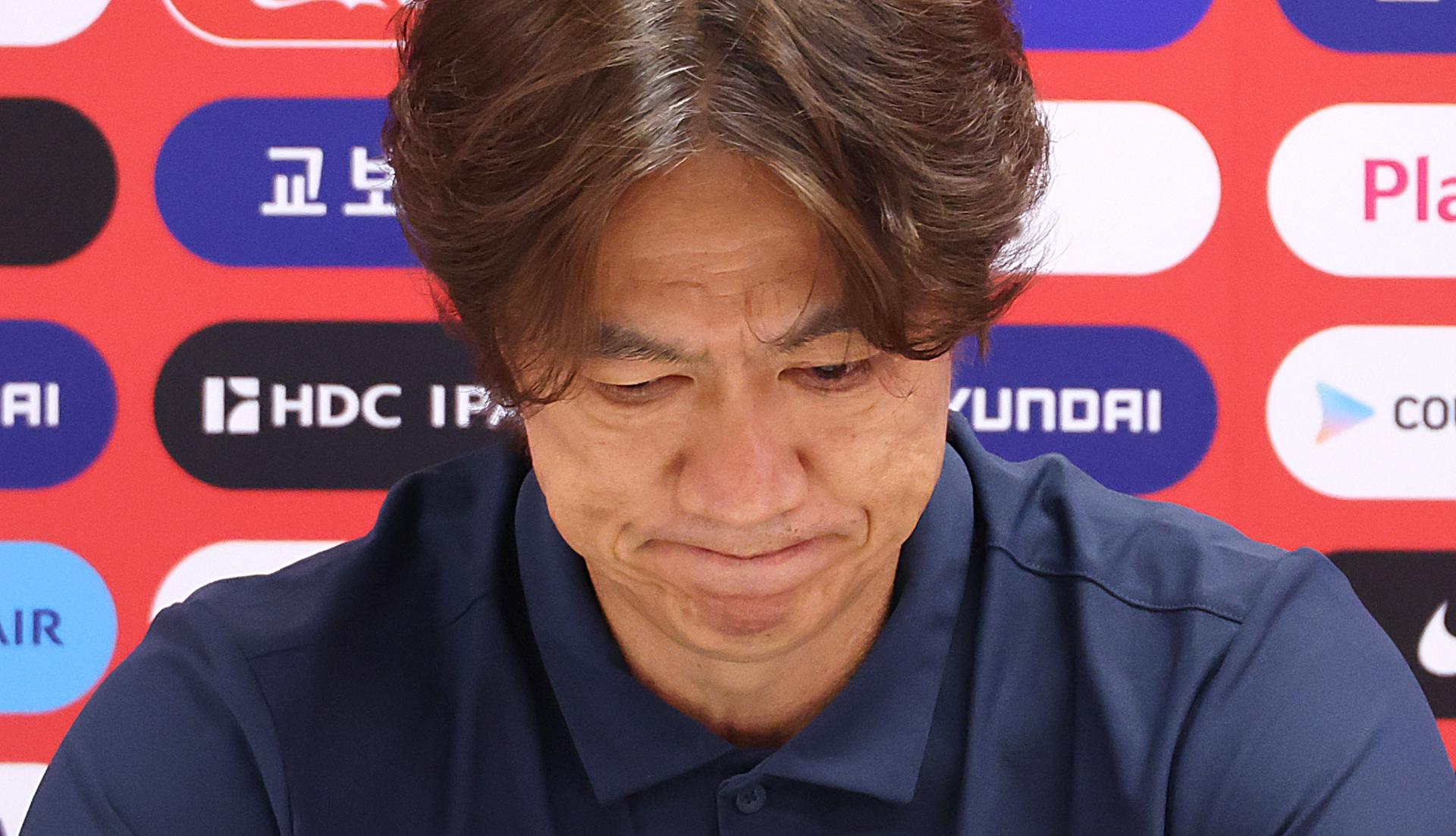
The South Korean men’s national team’s exit from the 2026 FIFA World Cup has evolved from a sporting disappointment into a definitive crisis of institutional governance. The resignation of head coach Hong Myung-bo—following a failure to navigate the group stage—serves as the catalyst for an unprecedented executive intervention. President Lee Jae Myung’s formal call for a probe into the Korea Football Association (KFA) signals a shift toward state-led oversight of the nation’s primary sporting body.
This scrutiny follows a 34th-place finish, the worst in the country’s World Cup history. Despite the tournament’s expansion to 48 teams, South Korea failed to secure a knockout berth, losing to Mexico and South Africa. This underperformance has exposed the KFA’s high-performance framework as fundamentally flawed, revealing a disconnect between tactical execution and administrative strategy.
Systemic Mismanagement and Fiduciary Negligence
The roots of the current instability lie in the opaque decision-making processes under KFA President Chung Mong-gyu. Critics argue that leadership has consistently bypassed established protocols, most notably sidelining the national team development committee during recent hiring cycles. This procedural erosion was exemplified by the 2023 appointment of Jurgen Klinsmann, a decision reportedly made without rigorous vetting.
The financial ramifications of these governance lapses are severe. The KFA incurred nearly 7 billion won ($4.5 million) in contract termination fees for Klinsmann, representing a significant drain on resources. This capital outflow, coupled with the loss of World Cup prize money and sponsorship bonuses, has placed the KFA’s balance sheet under intense fiscal pressure.
The Failure of Reactive Leadership
The July 2024 appointment of Hong Myung-bo, intended to stabilize the national team after the Klinsmann era, was instead viewed as a continuation of non-transparent practices. Hong’s resignation just months later confirms the volatility of reactive appointments made under administrative duress. While Hong assumed tactical responsibility for the 1-0 loss to South Africa, the structural deficiencies—including the inability to manage goal differences against lower-ranked opponents—remain unaddressed.
Furthermore, the 2026 expansion was designed as a safety net for elite nations. South Korea’s inability to qualify even as one of the best third-placed teams—a metric successfully navigated by teams like Senegal—highlights a failure in tournament management and a lack of tactical resilience.
Regulatory Risk and the Path to Reform
The presidential probe introduces significant regulatory risk to the KFA’s traditional autonomy. The investigation is expected to focus on internal checks and balances, specifically the marginalization of technical committees. For the KFA, restoring institutional integrity requires more than a new coaching appointment; it demands a comprehensive modernization of its governance model.
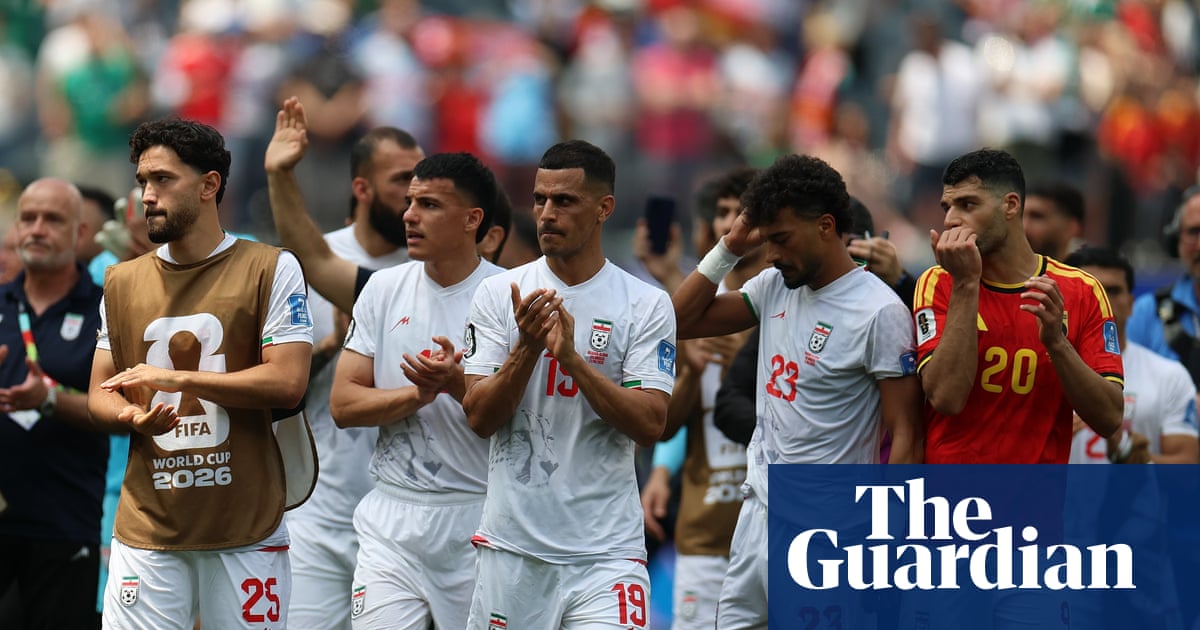
As traditional AFC powers like South Korea and Iran face early exits, the regional competitive landscape is shifting. The KFA must now transition from a centralized, opaque leadership structure toward a system-based approach that prioritizes technical merit over administrative convenience. Without such reform, the talent of stars like Son Heung-min risks being further squandered by a failing technical infrastructure.
Conclusion: A Mandate for Accountability
The 2026 World Cup campaign represents a watershed moment for South Korean football. The confluence of historic athletic failure, financial waste, and administrative opacity has created a mandate for structural change. The path forward necessitates the restoration of transparency in hiring and the empowerment of technical experts to ensure that the KFA can effectively support the national team’s future ambitions.