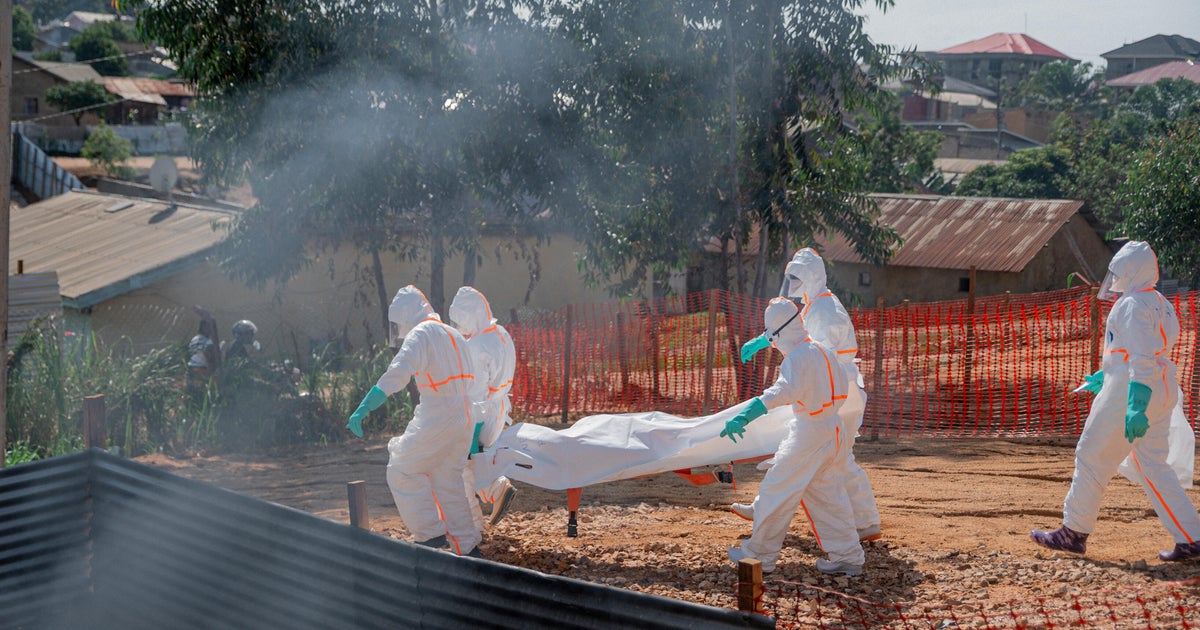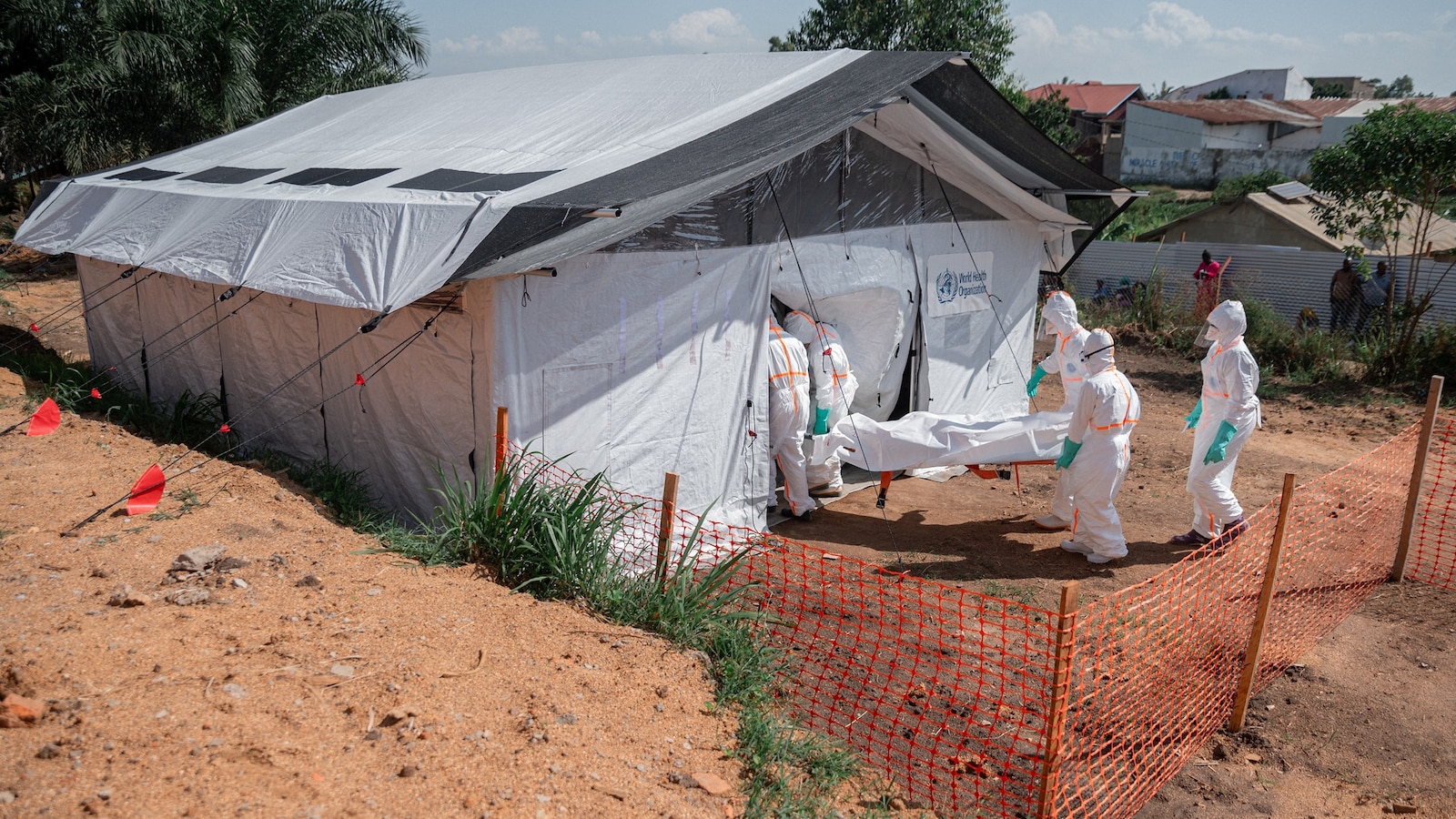
The rapid proliferation of Ebola in the Democratic Republic of Congo (DRC) has prompted the Africa Centres for Disease Control and Prevention (Africa CDC) to warn of a potential multi-billion dollar regional crisis. Director-General Jean Kaseya emphasizes that the current trajectory represents a shift from a localized health emergency to a systemic economic threat, exacerbated by severe structural weaknesses and a critical lack of operational liquidity.
The Capital Shortfall and the Bundibugyo Challenge
The institutional response is currently paralyzed by a massive financial deficit. Of the $518 million required for the primary six-month intervention, only a fraction has been secured. This capital lag directly undermines the ability to scale operations as the virus expands into new health zones. Unlike previous outbreaks dominated by the Zaire strain, the current prevalence of the Bundibugyo variant introduces a strategic vacuum: there is no proven vaccine or therapeutic protocol for this strain.
The absence of pharmaceutical countermeasures shifts the entire burden of containment onto physical infrastructure and human surveillance. Without the ‘safety net’ of a vaccine, every operational failure in contact tracing or isolation results in exponential increases in both mortality and long-term economic expenditure. Strategic delays in funding today are projected to result in a 2014-style epidemic cost structure if the chain of transmission is not broken immediately.
Surveillance Deficits and the Shadow Epidemic
Current epidemiological data from the World Health Organization (WHO) indicates a dangerous breakdown in surveillance. Contact tracing efficiency is currently recorded at 56.5%, significantly below the 90-95% threshold required to suppress a virus of this virulence. This 40% tracking gap suggests a ‘shadow epidemic’ where nearly half of potential exposures remain unmonitored, allowing the virus to establish undetected footholds in urban centers.
Dr. Marie-Roseline Belizaire of the WHO noted that community deaths—fatalities occurring outside clinical settings—confirm that active cases are bypassing the surveillance network entirely. This loss of data integrity prevents accurate resource allocation and has allowed the pathogen to infiltrate 31 health zones, including Nia-Nia and Mabalako. The surge of 72 confirmed cases in a single day indicates that the outbreak has transitioned into a phase of intense community transmission that local systems are currently ill-equipped to manage.
Socio-Political Friction and Regional Stability
The geographic expansion into the volatile provinces of Ituri and North Kivu introduces a complex security-health nexus. Recent incidents involving security forces managing crowds in Ituri highlight the friction between necessary sanitary protocols and traditional community practices. When state force is required to ensure safe burials, it often drives the outbreak further underground, alienating the very populations required for effective contact tracing.
The risk of cross-border transmission into Uganda remains high, threatening the broader East African economic ecosystem. As the outbreak reaches its one-month mark, the window for low-cost containment is closing. The Africa CDC’s warning of a multi-billion dollar price tag is not merely a projection of health costs, but an assessment of the total economic disruption—including trade halts and supply chain failures—that will follow if the $518 million funding target is not met with immediate donor action.