The Mechanics of California’s 2026 Primary
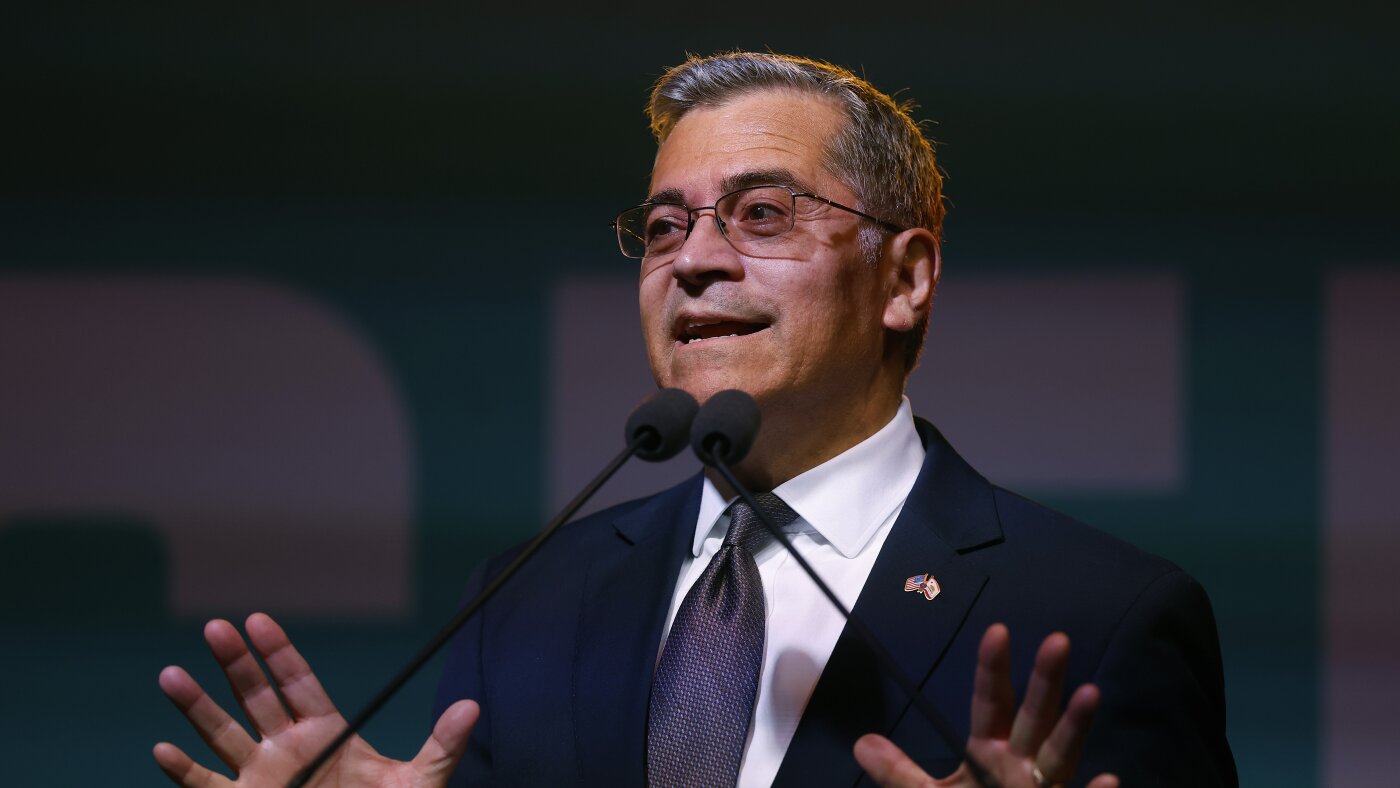
California’s 2026 gubernatorial primary highlights the volatility of the state’s ‘top-two’ open primary system. With Governor Gavin Newsom barred by term limits, the contest has catalyzed a realignment of political capital. Xavier Becerra’s advancement underscores the durability of established institutional networks, leveraging his background as U.S. Secretary of Health and Human Services to secure primary dominance amidst a fragmented field.
Primary Dynamics and Logistical Hurdles
The race to join Becerra in the November general election remains statistically fluid due to California’s extended mail-in ballot processing period. This logistical buffer, which allows ballots postmarked by Election Day to arrive later, creates a period of ‘strategic suspense’ for contenders such as Tom Steyer and Steve Hilton. This delay influences campaign resource allocation, as candidates must maintain mobilization efforts well past the initial voting window.
Fiscal Constraints and Policy Challenges
The successor to Governor Newsom will inherit an economy defined by systemic fiscal deficits, a housing crisis, and ongoing wildfire mitigation costs. These issues represent structural barriers to long-term stability. The state’s fiscal policy will likely become the primary wedge issue in the general election, as voters weigh Becerra’s institutional approach against the alternative economic frameworks proposed by his rivals.
Disruption and Institutional Continuity
The emergence of unconventional candidates signifies a shift in traditional political pipelines. By bypassing traditional media gatekeepers, outsiders are forcing a pivot in campaign strategies. However, the 2026 cycle also serves as a bellwether for the California Democratic Party, which remains a key laboratory for progressive national policy. The general election will test whether institutional candidates can successfully build cross-party coalitions within the polarized, top-two framework.
Future Governance and Economic Stability
The transition period will determine California’s regulatory trajectory for the remainder of the decade. As market stakeholders observe the unfolding race, the policy platform of the eventual winner—specifically regarding labor, environmental regulations, and tax policy—will dictate institutional investment patterns. The 2026 primary concludes not just as an electoral exercise, but as a critical juncture for California’s national economic influence.