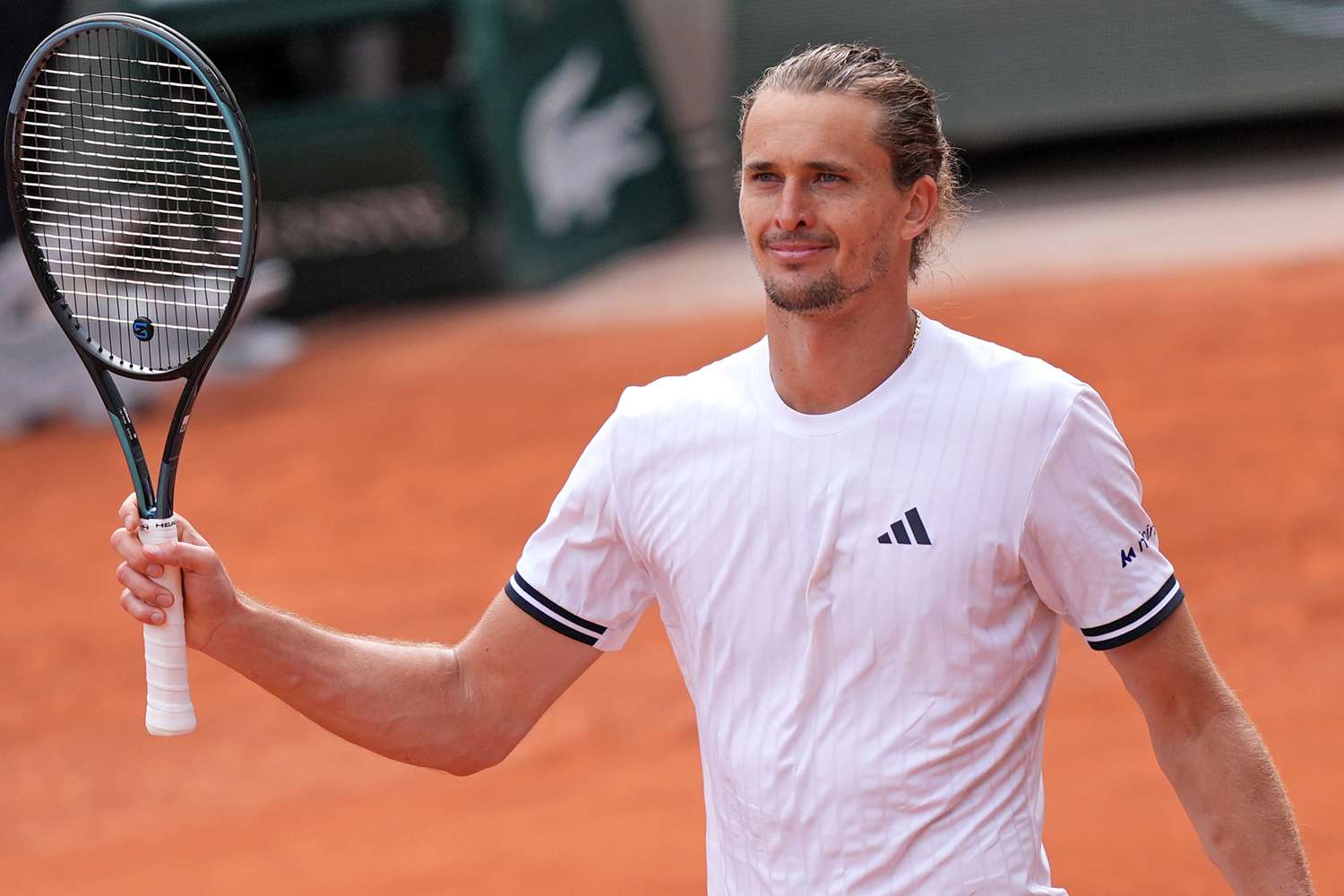
Alexander Zverev’s 2026 season represents the culmination of a multi-year effort to reconcile elite athletic performance with complex personal and legal challenges. Holding a top-three world ranking, Zverev’s presence at Roland Garros serves as a case study in institutional risk mitigation and the effective compartmentalization of public persona and private litigation.
Legal Settlement as a Commercial Safeguard
The 2024 out-of-court settlement with Brenda Patea functioned as a critical pivot for Zverev’s operational stability. By neutralizing the 2021 physical abuse allegations through a non-judicial resolution, Zverev effectively pre-empted the risk of ATP-mandated disciplinary sanctions or prolonged commercial boycotts. This settlement acted as a strategic safeguard, ensuring his eligibility for major tournaments and stabilizing relationships with global sponsors who prioritize the absence of active litigation.
This resolution shifted the narrative from judicial scrutiny to competitive metrics. His subsequent appearance in the 2025 Australian Open final and his 2026 ranking trajectory demonstrate that the removal of legal uncertainty allowed for a more concentrated focus on physical and technical optimization.
Strategic Privacy and Narrative Stabilization
The management of Zverev’s private life—specifically his role as a father to Mayla Zverev (born 2021)—reflects a calculated approach to privacy. By maintaining joint custody through structured agreements, Zverev has successfully insulated his parental obligations from the volatility of the professional tour. This compartmentalization prevents personal developments from being leveraged as distractions during high-pressure tournament cycles.
Furthermore, his long-term partnership with Sophia Thomalla has served as a narrative stabilizer. Her visibility at major events provides a consistent counter-narrative to his previous legal complexities, reinforcing a public image of personal equilibrium. This visual and social support structure has been vital in maintaining his marketability amidst evolving public perceptions.
Institutional Governance and Competitive Longevity
The ATP’s handling of the Zverev case highlights a broader trend in professional sports governance: the prioritization of legal finality over administrative intervention. The lack of a definitive judicial finding, coupled with the 2024 settlement, allowed governing bodies to maintain Zverev’s inclusion without triggering internal conduct clauses. This precedent suggests that for high-value athletes, professional continuity is often predicated on the successful navigation of external legal frameworks rather than internal moral arbitrations.
Zverev’s ability to sustain a top-tier ranking despite these external stressors underscores a high level of psychological resilience. His matches against contemporaries like Flavio Cobolli in 2026 reveal a player whose performance remains the primary metric for his institutional value. For stakeholders and broadcasters, Zverev remains a blue-chip asset whose legacy will be determined by whether his strategic off-court management can finally translate into a maiden Grand Slam title.