High-Stakes Super Bowl Coin Toss Wager Reveals Growing Role of Prop Bets
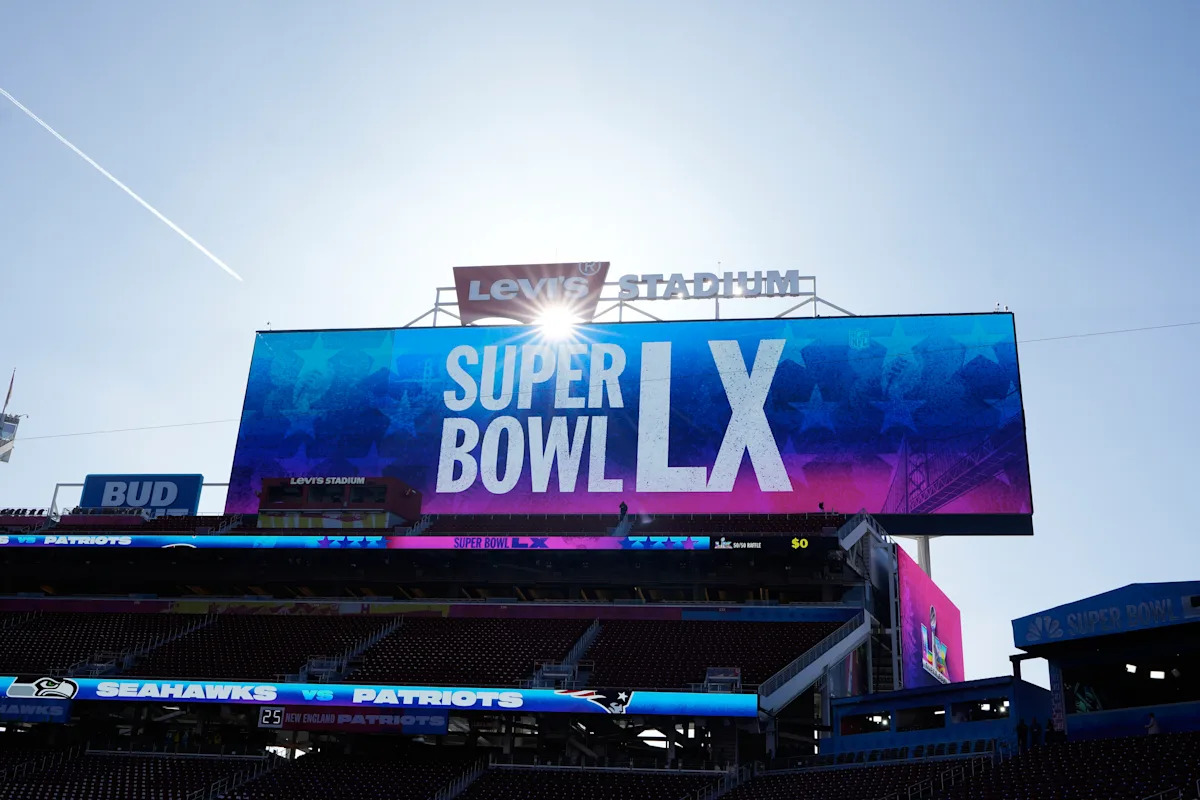
The pregame coin toss at Super Bowl 60 between the Seahawks and Patriots became the focus of intense financial interest, highlighting the evolving landscape of sports betting. While a procedural formality for most viewers, the event attracted significant wagering activity, including a single bettor who risked and won $253,000 on the outcome. The high-value wager underscores how ancillary events, distinct from the actual game, have become central to the modern betting economy surrounding major sporting spectacles.
The Super Bowl coin toss has long been recognized as one of the most popular prop bets available in the sports gambling market. A prop bet, short for proposition bet, is a wager on specific events or occurrences within a game that do not necessarily correlate directly to the final outcome. For betting operators, these wagers serve multiple strategic purposes. They offer opportunities to increase engagement and attract casual bettors who might not be interested in traditional point spreads or moneyline wagers. The coin toss, specifically, offers a simple 50/50 proposition, which simplifies the betting process for new participants and provides a low-entry point for high-volume wagering.
The Financialization of Ceremonial Events
The large-scale wager on the coin toss illustrates the financialization of non-game events within the sports industry. Unlike traditional wagers that require analysis of team performance, player statistics, or recent game trends, the coin toss operates on pure chance. This informational symmetry, where both the bettor and the operator possess an equal understanding of the probability, does not prevent large-scale financial interest. Instead, it transforms a ceremonial ritual into a vehicle for high-stakes speculation. The $253,000 wager represents a significant amount of capital placed on a binary, chance-based outcome. This behavior reflects a specific segment of the market where risk appetite for high-payout, short-term wagers coexists with traditional game outcome bets.
From an institutional perspective, the offering of these non-game prop bets serves as a critical component of operator strategy during major events like the Super Bowl. The high volume of action generated by these bets contributes significantly to total handle, which is the total amount of money wagered by the public. While individual coin toss wagers may have smaller average values, the collective activity generates substantial revenue streams for sportsbooks. The inclusion of high-limit wagers, like the one reported, further enhances the event’s profile and attracts media attention, reinforcing the Super Bowl’s status as a comprehensive betting spectacle.
The Numismatic Context: A Ceremonial Medal with Historical Significance
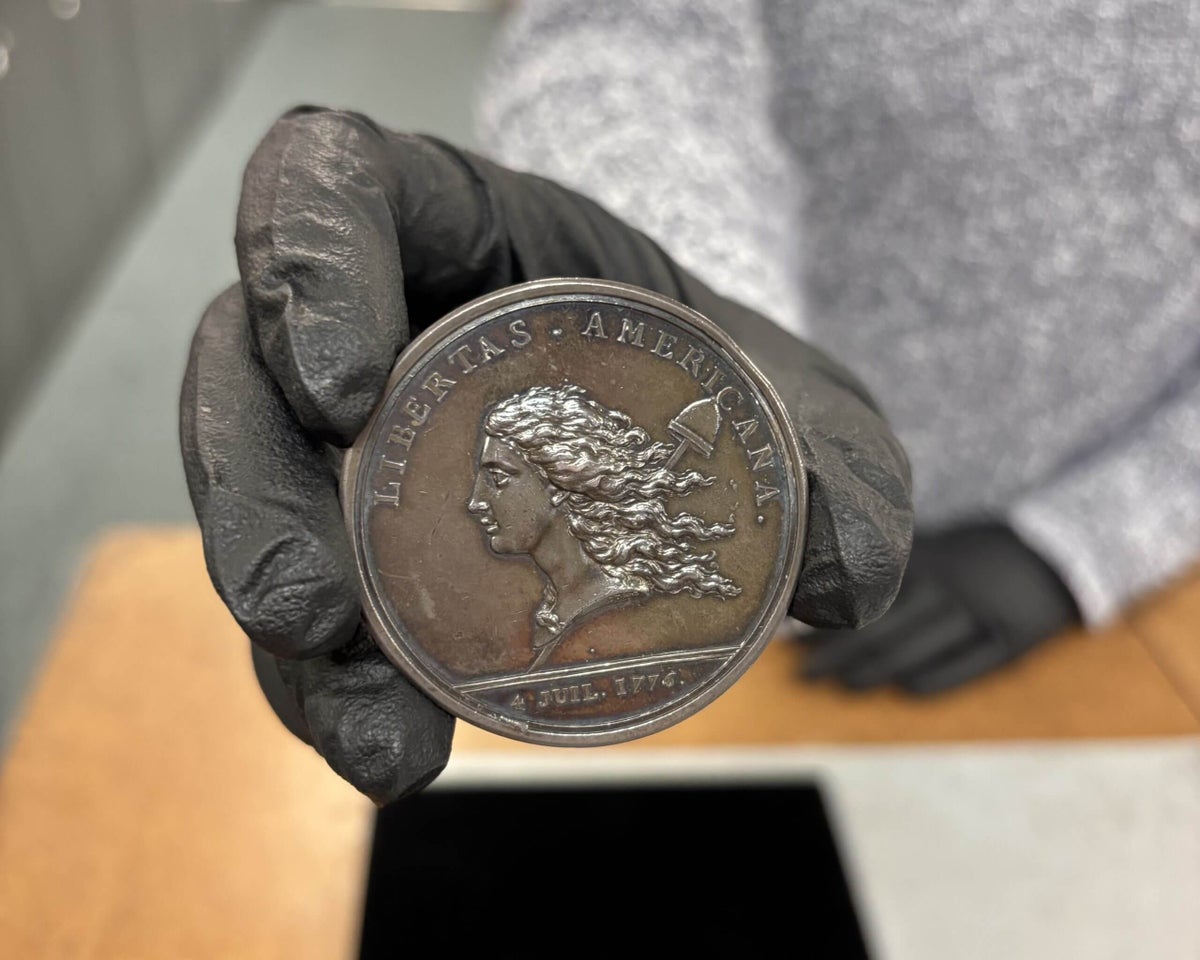
Adding a layer of historical and cultural complexity to the pregame ritual was the nature of the object used for the flip. The source data confirms that the coin toss for Super Bowl 60 was not performed using standard currency but rather a commemorative medal. The study of coins, currency, and medals, known as numismatics, rarely gains prominence in the context of major sporting events. However, this particular ceremonial object introduced numismatic elements directly into the pre-game spectacle.
The medal’s design featured a connection to Benjamin Franklin. This detail links the modern event to foundational elements of American history and finance. Benjamin Franklin played a significant role in early American currency development. He designed and printed colonial currency for several colonies and later served as Postmaster General. His historical association with printing and finance, combined with his status as a founding father, makes him a highly symbolic figure within numismatic circles. The choice to utilize a commemorative medal rather than a standard coin for the Super Bowl toss imbues the event with a sense of historical gravitas, transforming a simple act of chance into a symbolic gesture that connects modern sports pageantry with national history.
The Convergence of Culture, Finance, and Chance
The convergence of numismatics, high-stakes finance, and cultural spectacle during Super Bowl 60 illustrates the complexity of modern entertainment. The selection of a specific medal, linked to historical figures like Benjamin Franklin, is part of a broader practice by event organizers to create a unique and memorable experience. The numismatic value and historical context of the object provide a narrative depth that standard currency would lack. This specific detail enhances the event’s branding and separates it from routine coin tosses found in regular season games.
Simultaneously, the high-value wager demonstrates how this cultural branding intersects with contemporary financial markets. The bettor’s action, while seemingly trivial given the 50/50 odds, reflects a larger trend in which financial markets have absorbed cultural events. The Super Bowl has evolved beyond a sporting contest into a comprehensive entertainment product, where every element, including pre-game rituals and halftime shows, becomes a potential point of market interaction. The large winning wager serves as a data point illustrating the high liquidity and widespread engagement with these non-traditional betting markets.
In summary, the Super Bowl 60 coin toss episode provides insight into the structural characteristics of modern sports betting. The offering of prop bets on non-game events, coupled with the high financial stakes placed on simple chance outcomes, highlights how a cultural phenomenon like the Super Bowl is increasingly intertwined with financial speculation. The use of a numismatic medal further complicates this picture by adding a layer of historical symbolism to the financialized spectacle, creating a unique intersection where history, chance, and high finance converge.