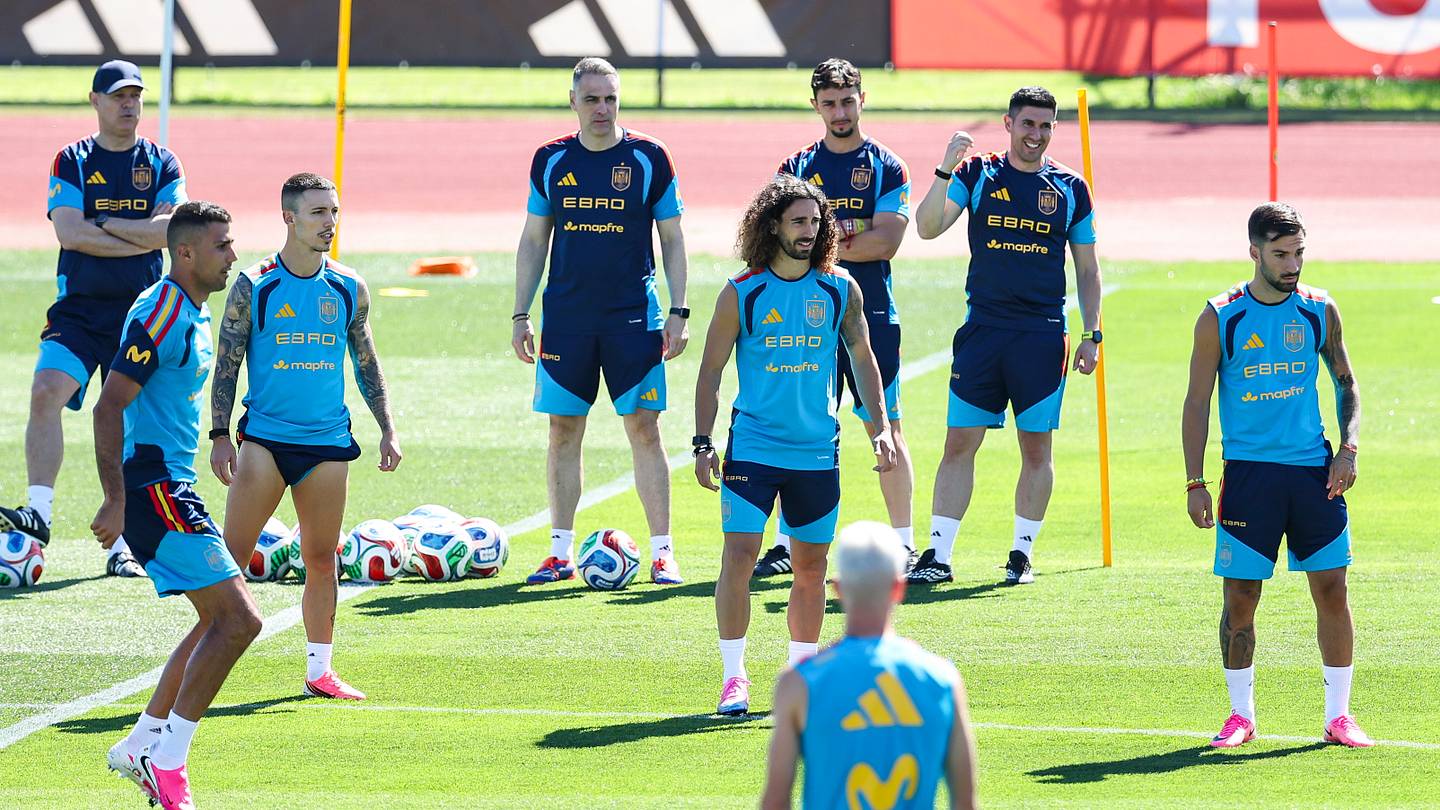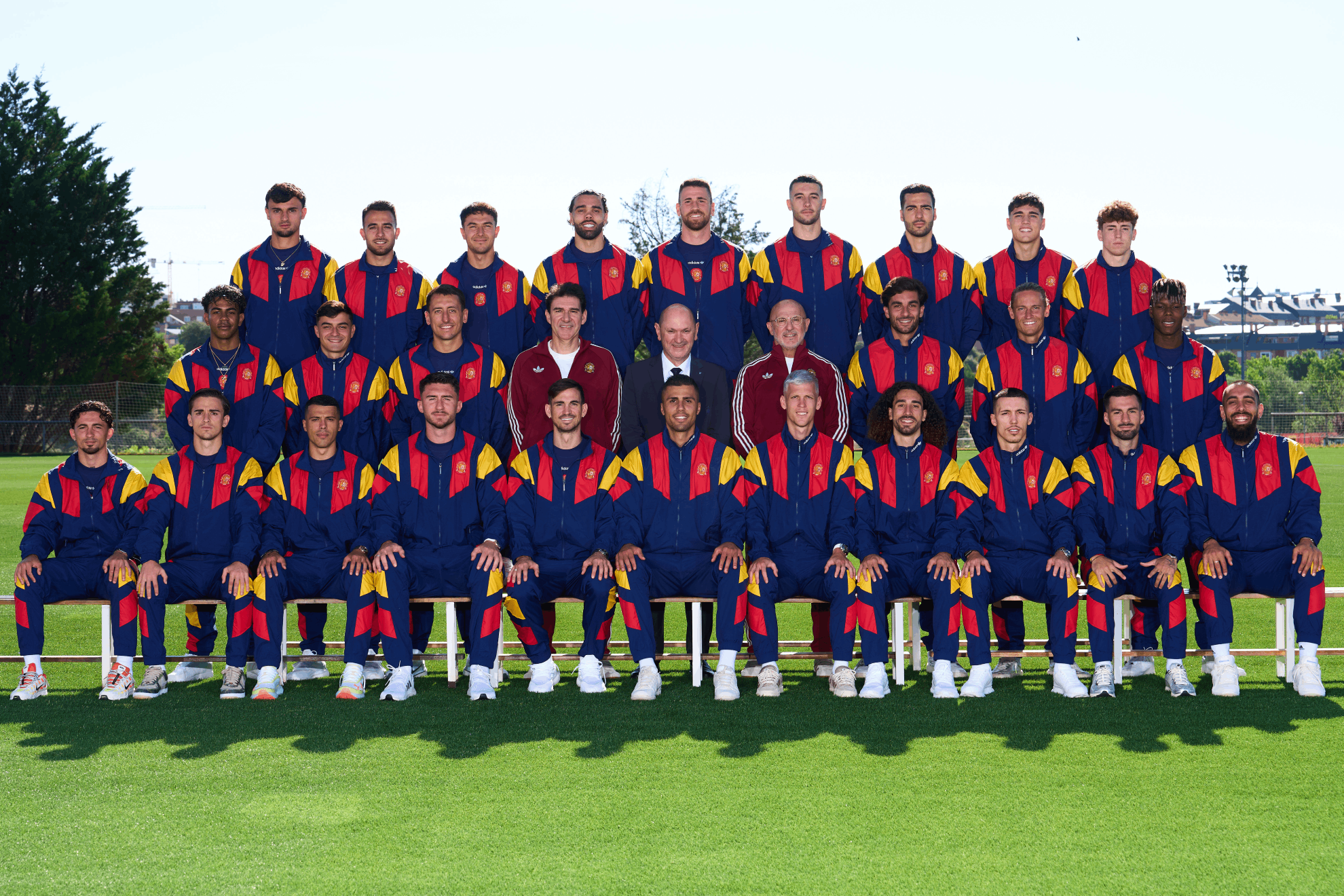
The international friendly between Spain and Iraq at Estadio Riazor represents a sophisticated diagnostic phase in Luis de la Fuente’s 2026 World Cup preparation. Far from a standard exhibition, this fixture serves as a live-match stress test for the ‘support unit’—a curated group of auxiliary players integrated to sustain training intensity while the core 26-man roster undergoes metabolic recovery.
By deploying a hybrid lineup featuring non-tournament debutants like Jon Martín and Marc Bernal, the Spanish coaching staff is prioritizing systemic continuity. This methodology addresses the physiological toll on elite assets following high-stakes domestic and European finals, effectively creating a tactical buffer that prevents premature physical peaking.
The Support Unit: A Metabolic and Tactical Safeguard
The inclusion of seven potential debutants from the auxiliary pool underscores a shift toward fluid international squad management. Players such as Leo Román, Javi Rodríguez, and Javi Guerra provide ‘competitive friction’ in training, ensuring the primary squad maintains high-tempo drills without the soft-tissue injury risks associated with late-season exhaustion.
For young talents like Marc Bernal and Jon Martín, starting against a World Cup-bound Iraq provides a high-leverage platform to demonstrate readiness for future cycles. This integration ensures the national team’s tactical DNA remains intact, even when primary starters are sidelined for specialized recovery protocols.
Tactical Pivot: Gavi’s Return and Defensive Distribution
The selection of Joan Garcia in goal and the return of Gavi to the midfield core are the central tactical narratives. Gavi’s re-integration into the pivot structure is essential for Spain’s high-pressing identity; his role today focuses on managing horizontal spacing and regaining match rhythm. Defensively, pairing veteran Aymeric Laporte with the debutant Martín allows the staff to evaluate leadership dynamics and positional discipline under direct transitional pressure.
In the final third, the deployment of Borja Iglesias and Alex Baena offers a physical contrast to the absent Lamine Yamal and Nico Williams. This ‘Plan B’ profile is a deliberate attempt to simulate the requirements for breaking down low-block defenses, a scenario Spain anticipates in their World Cup group stage opener against Cape Verde.
Mitigating Champions League Fatigue
The absence of David Raya, Martín Zubimendi, and Fabián Ruiz is a calculated decision following their participation in the Champions League final. The RFEF’s prioritization of physiological readiness over commercial optics ensures that these key players are shielded from the ‘plateau effect’ often seen in pre-tournament phases. While the support unit manages the workload in A Coruña, these veterans are undergoing individualized periodization programs to ensure peak performance in the North American heat.
Broadcasting and the North American Expansion
The distribution of this match via fuboTV, ViX, and Fubo Sports Network 4 targets the Hispanic diaspora and the emerging US soccer market. This media strategy, combined with the subsequent trip to Mexico to face Peru, serves to build brand equity in the host nations of the 2026 tournament. Financially, these broadcasting rights facilitate the complex logistics of a multi-country World Cup cycle while elevating the global market value of debutants like Bernal.
Substitution Flexibility and Load Monitoring
An agreement to allow up to 11 substitutions across three windows transforms the Riazor friendly into a controlled laboratory. This flexibility allows De la Fuente to rotate the entire support unit, ensuring no player exceeds prescribed GPS load limits. This operational freedom is vital for observing player combinations that would be impossible under standard FIFA restrictions, allowing for a seamless transition from experimental lineups to established tactical cores.
Conclusion: Roadmap to Mexico
As the final whistle blows at Riazor, the auxiliary unit will depart, their objective of maintaining high-intensity training environments fulfilled. The data harvested from these performances will inform Spain’s long-term developmental depth. The focus now shifts to the final 26-man roster and the logistical jump to Mexico, where the intensity will escalate ahead of the tournament’s official commencement.