
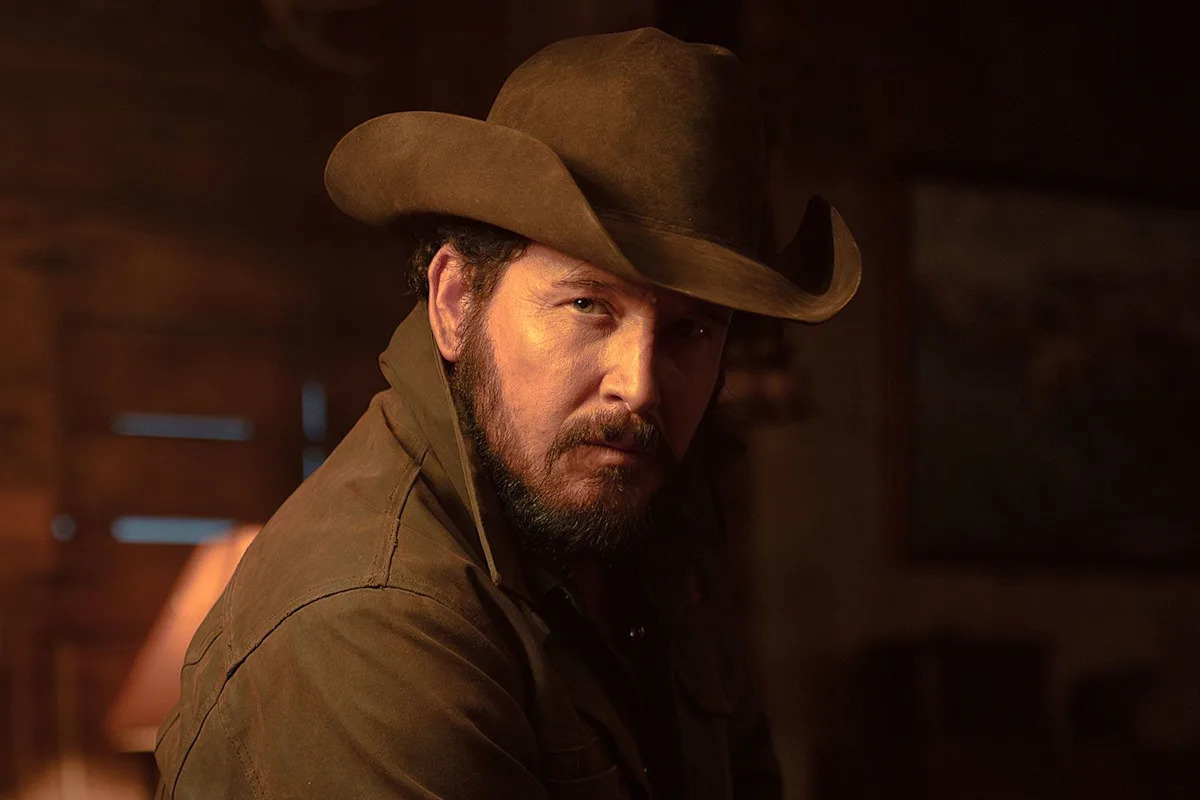
The production of the ‘Dutton Ranch’ spinoff faced significant environmental challenges during its filming in Rio Paloma, Texas, notably extreme temperatures reaching 106 degrees Fahrenheit. This intense heat directly affected actor Cole Hauser’s ability to maintain his character Rip’s physical presence. Adapting from the familiar Montana filming environment to the harsh Texas climate demanded considerable adjustments from both the production team and the cast.
Cole Hauser, who had spent six years on ‘Yellowstone’ in Montana, found the Texas heat a considerable obstacle to his established routine for portraying Rip, which typically involves gaining around 25 pounds. The relentless heat made this weight retention process difficult due to significant calorie expenditure through sweat. This metabolic strain highlights operational complexities arising from the location change, potentially impacting actor well-being and the consistency of on-screen portrayals.
The strategic relocation of ‘Dutton Ranch’ production to Texas, likely driven by narrative needs or financial incentives, introduced unforeseen operational hurdles. Beyond affecting actor performance and conditioning, the extreme heat posed potential risks to equipment, crew endurance, and overall production scheduling. Managing these environmental factors necessitated increased budget allocations for climate control, hydration, and extended shooting days, impacting the overall financial model of the production.
Within the ‘Dutton Ranch’ narrative, a pivotal plot point in episode four saw Beth and Rip make the critical decision to cull their entire herd due to a foot-and-mouth disease outbreak. This decisive action, executed without consulting their adopted son Carter, resulted in significant emotional fallout for the character. Carter’s exclusion from such a consequential decision revealed a profound breach of trust and familial communication within the core ranch family.
Finn Little, the actor portraying Carter, articulated the deep sense of betrayal his character felt, stating, “left out of a decision like that, I think, hurt him quite a bit.” This sentiment underscores the dramatic tension generated by character choices and their impact on younger, more vulnerable family members. The narrative consequence of this exclusion is a fractured relationship, setting a trajectory for future character development and interpersonal conflict.
Beth and Rip’s decision to withhold information from Carter about the herd’s fate illustrates a complex dynamic of protection versus paternalistic control. While potentially intended to shield him from harsh realities, it instead fostered resentment and alienation. This narrative choice positions the series to explore themes of consequence, trust, and the evolving definition of family within the high-stakes environment of the Dutton ranch.
The exclusion of Carter from the herd culling decision marks a critical inflection point in his character arc. It signifies a potential shift in his perception of Beth and Rip, moving from dependence and admiration towards disillusionment and distrust. This internal conflict is expected to drive future storylines, influencing Carter’s agency and his role within the broader Dutton family dynamic.
The production’s decision to center a storyline around such a devastating ranch loss, amplified by internal familial betrayal, reflects the series’ commitment to exploring the darker, more complex aspects of ranch life. The economic implications of losing an entire herd are substantial, representing a significant financial blow. The emotional and psychological toll on the characters, particularly Carter, adds a layer of dramatic depth that resonates beyond the immediate crisis.
Positioning ‘Dutton Ranch’ as a ‘Yellowstone’ spinoff necessitates a balance between established character personas and new narrative challenges. The move to Texas, with its distinct environmental and cultural landscape, provides a fresh backdrop for these evolving character dynamics. The extreme weather conditions, as experienced by Cole Hauser, serve as a tangible external pressure mirroring the internal conflicts faced by the characters.
The narrative arc involving Carter’s betrayal by Beth and Rip is a deliberate exploration of the consequences of leadership decisions made in isolation. It suggests that even well-intentioned actions, when executed without transparency, can inflict profound personal damage. This theme is critical for understanding the long-term sustainability of the Dutton legacy, which hinges not only on financial stability but also on the cohesion and trust among its members.
The decision to exclude Carter from the herd culling also reflects a broader commentary on the generational transfer of responsibility and knowledge in agricultural enterprises. The younger generation, represented by Carter, is denied the opportunity to learn from difficult decisions, potentially hindering their preparedness for future leadership roles. This narrative thread adds institutional and generational significance to the immediate dramatic conflict.
The dual challenges of extreme environmental conditions impacting physical performance and the emotional repercussions of character decisions highlight the multifaceted nature of large-scale television production. The success of ‘Dutton Ranch’ will likely depend on its ability to navigate these operational and narrative complexities, delivering compelling storylines that resonate with audiences while maintaining the integrity of its established universe.
The decision to film in a location with extreme weather implies a calculated risk taken by the production to enhance authenticity or visual appeal. However, as Hauser’s experience demonstrates, this can introduce tangible operational costs and performance challenges. The financial implications extend beyond actor comfort, potentially affecting crew safety, equipment longevity, and overall production efficiency.
The narrative choice to depict a devastating ranch loss, coupled with internal familial conflict, positions ‘Dutton Ranch’ to delve into the inherent vulnerabilities of the agricultural lifestyle. The loss of an entire herd represents not just a financial setback but a profound blow to the identity and livelihood of those dependent on it. This thematic focus on resilience and the harsh realities of ranching is a cornerstone of the ‘Yellowstone’ franchise.
The impact of Carter’s betrayal by Beth and Rip extends beyond his personal emotional state, potentially creating a schism within the family unit and influencing his future interactions and allegiances. This development is crucial for the ongoing narrative, introducing a dynamic of internal dissent that could be exploited by external antagonists or lead to further internal strife.
The production’s commitment to portraying the harsh realities of ranch life, including disease outbreaks and the difficult decisions they necessitate, contributes to the series’ critical acclaim. The inclusion of such visceral events, and their subsequent emotional fallout, allows for a deeper exploration of character motivations and the ethical dilemmas faced by those in authority.
The strategic implications of the Texas heat on Cole Hauser’s performance are noteworthy for the industry. It underscores the importance of considering environmental factors in production planning and actor preparation, especially for roles requiring specific physical attributes. The ability of actors and production teams to adapt to such conditions demonstrates their professionalism and resilience.
The narrative consequence of Carter’s exclusion from the herd decision is a significant development in his character’s journey. It signifies a loss of innocence and an introduction to the complex, often morally ambiguous, decisions that define leadership on the ranch. This arc is essential for his growth and his eventual understanding of the responsibilities that come with being a Dutton.
The decision to film in Texas, while offering potential narrative and aesthetic advantages, also highlights the logistical and financial considerations of large-scale production. The need for specialized equipment, extensive catering, and robust support systems for extreme weather can significantly impact a production’s budget and timeline. This strategic choice carries substantial operational and financial weight.
The character betrayal experienced by Carter serves as a critical narrative device to explore the complexities of parental responsibility and the impact of secrets within a family. It raises questions about the best methods for imparting life lessons and the long-term consequences of shielding younger individuals from harsh realities. This thematic exploration adds depth to the series’ portrayal of family dynamics.
The sustained success of the ‘Yellowstone’ universe, including its spinoffs, is often attributed to its unflinching portrayal of the challenges inherent in ranching and family life. ‘Dutton Ranch,’ by incorporating extreme environmental conditions and profound character betrayals, appears committed to upholding this tradition of gritty realism, reinforcing its brand identity and audience appeal.