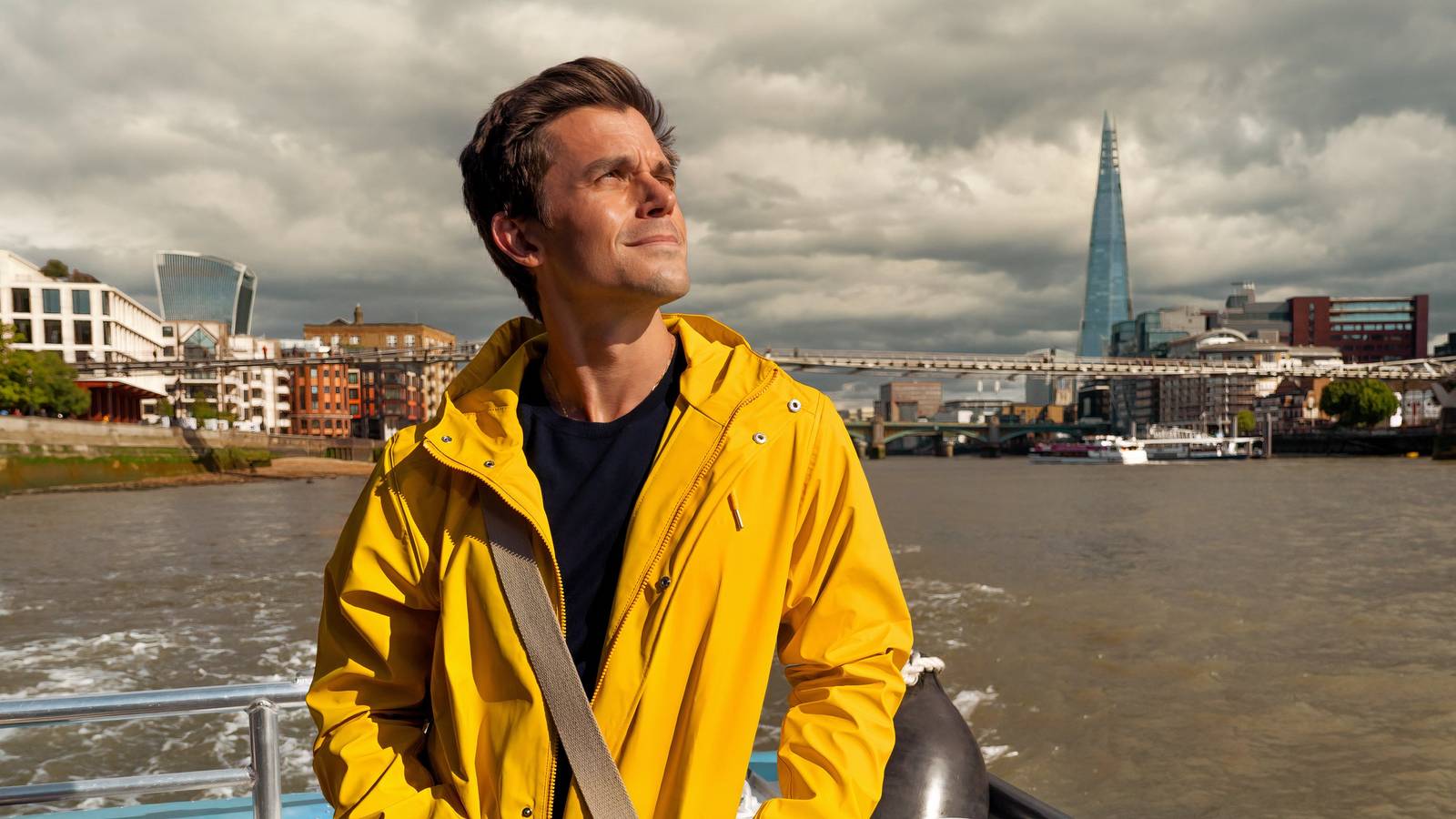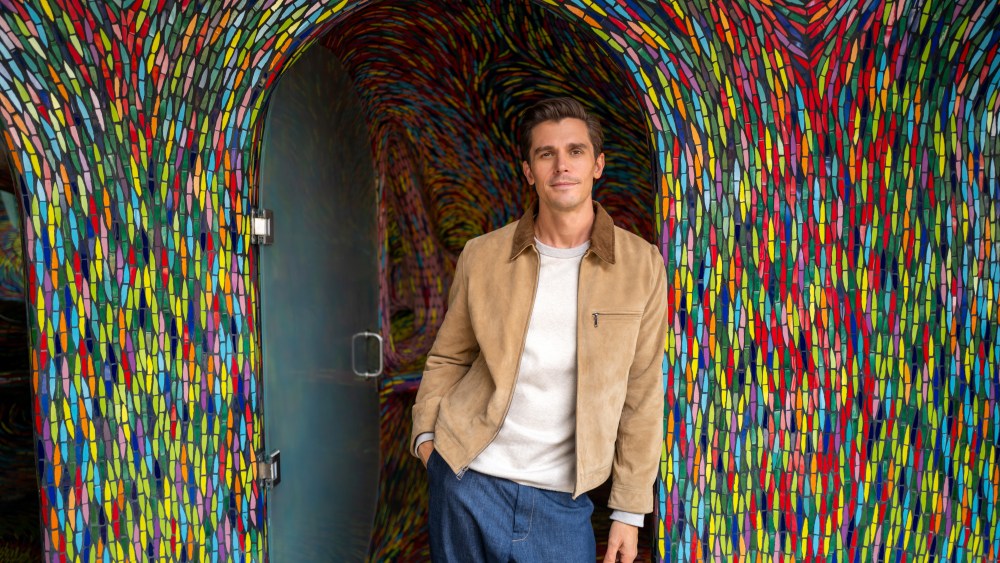
The professional trajectory of Antoni Porowski has reached a critical juncture, characterized by a calculated transition from ensemble-based reality television to a solo-led documentary franchise. After nearly a decade as a cornerstone of Netflix’s ‘Queer Eye’ revival, Porowski is now pivoting toward vertical brand integration through a hosting and executive producing partnership with National Geographic.
This shift is codified in the series ‘Best of the World With Antoni Porowski,’ premiering June 7. By assuming a dual role as talent and executive producer, Porowski is asserting operational control over his narrative, moving beyond the constraints of a shared cast dynamic. This evolution is not merely a change in scenery; it is a risk-mitigation strategy aimed at preserving individual brand equity amidst the systemic breakdown of his primary franchise.
Institutional Volatility and the Erosion of the ‘Queer Eye’ Brand
The conclusion of the most recent ‘Queer Eye’ production cycle has been marred by public disclosures regarding a fractured internal culture. Karamo Brown’s notable withdrawal from early 2024 press appearances signaled deep-seated friction, with reports citing a history of emotional and mental distress. This internal discord was further amplified by a Rolling Stone investigation detailing allegations of workplace toxicity and emotionally abusive behavior attributed to cast member Jonathan Van Ness.
While Van Ness has denied these specific claims, the cumulative weight of the allegations has compromised the ‘Queer Eye’ brand identity—a brand fundamentally predicated on empathy, radical vulnerability, and personal growth. For Porowski, the transition to ‘Best of the World’ functions as a ‘strategic exit’ from a property experiencing diminishing returns due to these interpersonal liabilities.
The Mechanics of Brand Decoupling and Network Synergy
By securing a foothold within the Disney-owned National Geographic ecosystem, Porowski is aligning himself with a legacy brand synonymous with institutional stability and high-production-value journalism. This move allows him to leverage the existing ‘Queer Eye’ fanbase while pivoting toward a more sophisticated, global-travelogue archetype. The series targets high-traffic urban centers—New York, London, Paris, and Mexico City—shifting the focus from the ‘makeover’ service model to immersive, human-centric storytelling.
This repositioning reflects a broader trend in celebrity media management: the decoupling of individual IP from collective franchises when those collectives become reputational risks. Porowski’s engagement with these cities is less about service-oriented advice and more about cultural immersion, signaling a transition from reality TV personality to global cultural authority.
Market Position and Content Longevity
The move from Netflix to a multi-platform distribution model involving National Geographic, Disney+, and Hulu maximizes Porowski’s reach across diverse demographics. Unlike the episodic, seasonal nature of ‘Queer Eye,’ the travelogue format provides ‘evergreen’ content value. This strategy ensures long-term visibility in the streaming market, where high-quality documentary content remains a key driver for subscriber retention.
Ultimately, the success of ‘Best of the World’ will serve as a bellwether for talent-led transitions in the streaming era. Porowski is navigating what he describes as a ‘remarkable transition period,’ one that moves beyond the structured siloes of lifestyle expertise toward a more holistic, narrative-driven career path. As the ‘Queer Eye’ legacy remains under scrutiny, Porowski is effectively building a standalone architecture designed to outlast the volatility of the ensemble format.