2026 NBA Finals: Strategic Divergence, Dynastic Echoes
The 2026 NBA Finals present a captivating rematch between the San Antonio Spurs and the New York Knicks, a series steeped in the historical rivalry of 1999 and showcasing two contrasting blueprints for championship contention. This anticipated clash offers a profound analytical lens into modern NBA franchise development, highlighting divergent strategic pathways to elite status.
The San Antonio Spurs, spearheaded by Victor Wembanyama—a transformative generational talent and undisputed cornerstone—epitomize a successful, draft-centric strategic rebuild. At 22, Wembanyama’s comprehensive skill set anchors a formidable young core including Stephon Castle, Dylan Harper, and the veteran acumen of De’Aaron Fox, signaling the dawn of a new dynastic window.
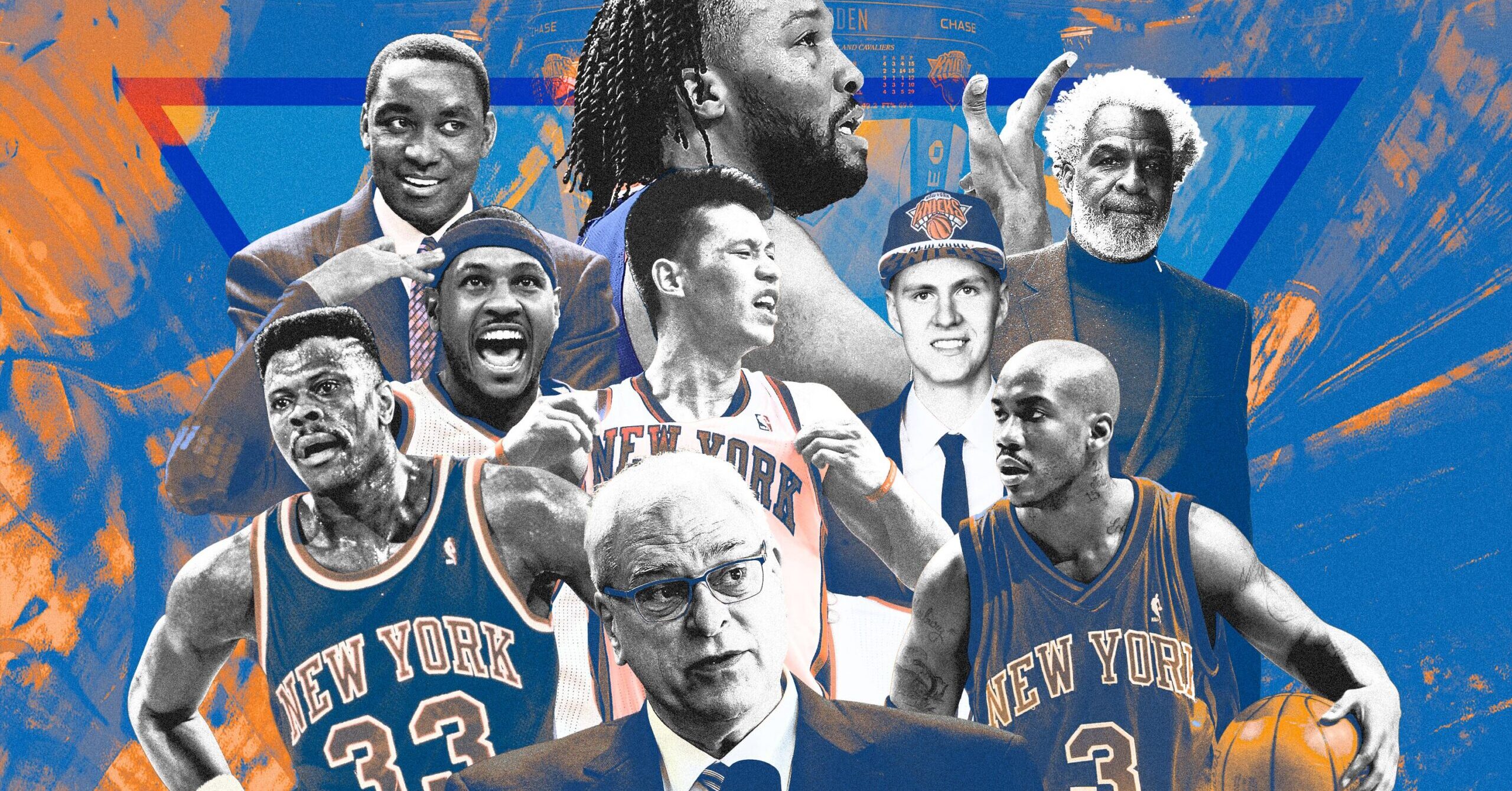
In stark contrast, the New York Knicks enter these Finals having amassed an extraordinary 11-game postseason winning streak, a testament to their calculated assembly of proven talent. Led by the dynamic Jalen Brunson, whose catalytic leadership galvanizes a robust roster featuring strategic acquisitions like Karl-Anthony Towns, OG Anunoby, and Mikal Bridges, the Knicks illustrate a powerful blend of veteran experience and immediate competitive readiness, defying conventional rebuild timelines.
San Antonio Spurs: Sustained Excellence Through Strategic Reincarnation
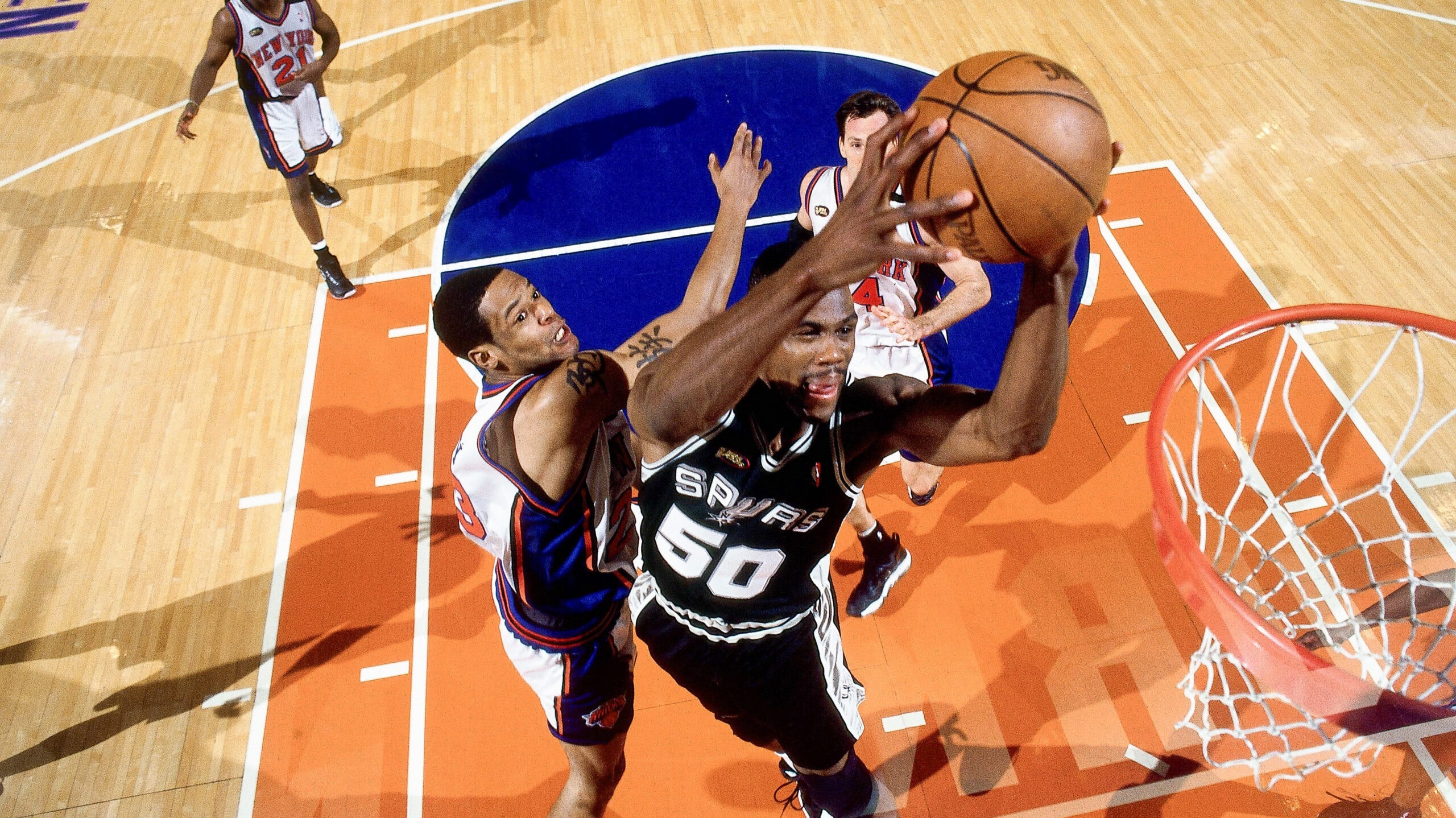
The 1999 NBA Finals victory against the Knicks marked the genesis of the Spurs’ foundational dynasty, a sustained period of excellence yielding five NBA titles over 15 years. This era, meticulously crafted around a Hall of Fame core and coach Gregg Popovich, established a paradigm for organizational stability and competitive longevity, popularized through “The Beautiful Game”—a philosophy emphasizing fundamental execution, collective offense, and defensive discipline. This institutionalized approach transcended mere tactics, becoming a cultural identifier that informed scouting, player development, and consistently attracted talent aligned with a specific strategic vision.
Following the conclusion of their dynastic run post-2016-17, the Spurs embarked on a disciplined, draft-centric strategic rebuild. This period of competitive recalibration culminated in the acquisition and rapid ascent of Victor Wembanyama, whose immediate, transformative impact validates the critical importance of high-value draft capital and astute talent identification. Wembanyama’s emergence at 22 years old in 2026 mirrors Tim Duncan’s foundational role at the same age in 1999, underscoring a recurring organizational pattern: leveraging generational, franchise-altering talent to anchor and redefine long-term competitive windows.
This successful rebuild exemplifies a patient, long-term organizational strategy that prioritizes sustainable competitive advantage over transient gains. It demonstrates significant capital allocation, calculated risk tolerance, and unwavering commitment to core principles in navigating a post-dynasty transition. The current Spurs embody a strategic reincarnation, blending their historical identity with modern athletic prowess to pursue renewed dominance.
New York Knicks: Market Imperatives and Strategic Acceleration
For the New York Knicks, the 1999 NBA Finals marked their last appearance on the league’s grandest stage, initiating a 27-year hiatus from championship contention. This prolonged period underscored the unique pressures of operating in one of the world’s most scrutinized and demanding sports markets, where fan expectations remain exceptionally high irrespective of on-court performance, imposing significant operational and financial burdens.
The Knicks’ current 11-game postseason winning streak represents a profound, strategically engineered shift in their competitive trajectory. Their success stems from a calculated assembly of proven, complementary talent, rather than a top-down rebuild. This strategy prioritizes immediate competitive impact through significant player acquisitions, exemplified by the integration of All-Star caliber players such as Karl-Anthony Towns, OG Anunoby, and Mikal Bridges into a cohesive system.
Central to this resurgence is Jalen Brunson, whose catalytic leadership and high-performance consistency have resonated deeply with the franchise’s identity and fervent fanbase. His narrative not only galvanizes local support but substantially enhances the team’s marketability and media appeal, driving unprecedented engagement and viewership. This approach to team-building starkly contrasts with the Spurs’ draft-centric model, highlighting alternative, equally viable pathways to elite status through strategic investment in established talent.
A deep playoff run and Finals appearance for the Knicks carry immense financial and commercial implications. Beyond boosting franchise valuation and merchandise sales, their return to competitive relevance generates significant local economic activity and broader positive externalities for the NBA’s global commercial health, reinforcing the league’s strategic interest in major market team success.
Generational Talent: The Cornerstone of Franchise Value and Strategic Leverage
The presence of generational talents, epitomized by Tim Duncan in 1999 and Victor Wembanyama in 2026, fundamentally reshapes a franchise’s operational calculus and long-term strategic trajectory. These players are not merely athletic cornerstones; they are immense economic assets, driving exponential growth in ticket sales, media valuation, global brand recognition, and attracting ancillary talent. Their magnetic influence accelerates team-building and extends competitive windows, offering unparalleled return on investment despite the inherent risks of securing high draft capital.
The enduring parallel between Duncan and Wembanyama underscores the critical strategic importance of identifying, drafting, and meticulously developing such rare talents. A singular transcendent player can redefine a franchise’s identity, operational focus, and market appeal for over a decade, creating a sustainable competitive advantage. From a league-wide perspective, the continuous emergence of these marketable superstars fuels compelling narratives, drives viewership, and underpins the NBA’s global expansion objectives, making their cultivation a strategic imperative for long-term commercial health.
Championship Narratives: Fueling League Growth and Commercial Value
The “championship narratives” underpinning the 2026 Finals—be it the Spurs’ dynastic rebirth or the Knicks’ long-awaited resurgence—are critical components of the NBA’s strategic and commercial framework. These compelling storylines are indispensable for captivating global audiences and sustaining league relevance. The stark contrast between San Antonio’s established championship pedigree and New York’s protracted quest for glory creates a high-stakes drama that transcends regional loyalties, amplifying media interest and driving unprecedented engagement across diverse demographics.
From an institutional perspective, the NBA significantly benefits from high-profile matchups involving major market teams and emerging superstars. Such events are direct revenue generators through lucrative broadcast rights, global sponsorships, and merchandise sales. The strategic leveraging of historical continuity, particularly the 1999 rematch, taps into collective fan memory, fostering multi-generational engagement. Cultural touchstones from 1999, from popular media to technological shifts, underscore the passage of time, yet the enduring competitive drama of the NBA remains a constant, continuously adapting and engaging new eras of fans. Phenomena like the “27 Most Knicksian Moments” meme exemplify this deep institutional memory, highlighting the profound fan investment in team narratives and the market demand for competitive success.
Ultimately, the 2026 NBA Finals between the Spurs and Knicks transcends a mere sporting contest. It represents a strategic confluence of historical legacies, meticulously executed organizational rebuilds, the transformative power of generational talent, and the inherent market dynamics of professional sports. Its outcome will not only crown a champion but also fundamentally redefine the competitive trajectories, market positioning, and long-term strategic blueprints of two iconic NBA franchises.