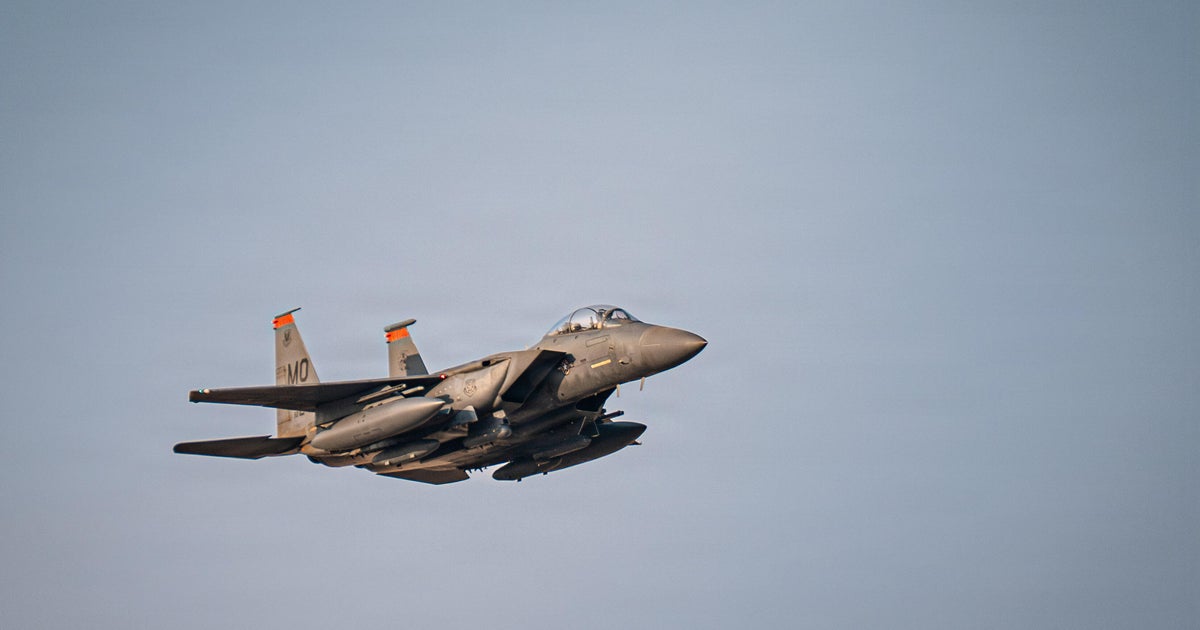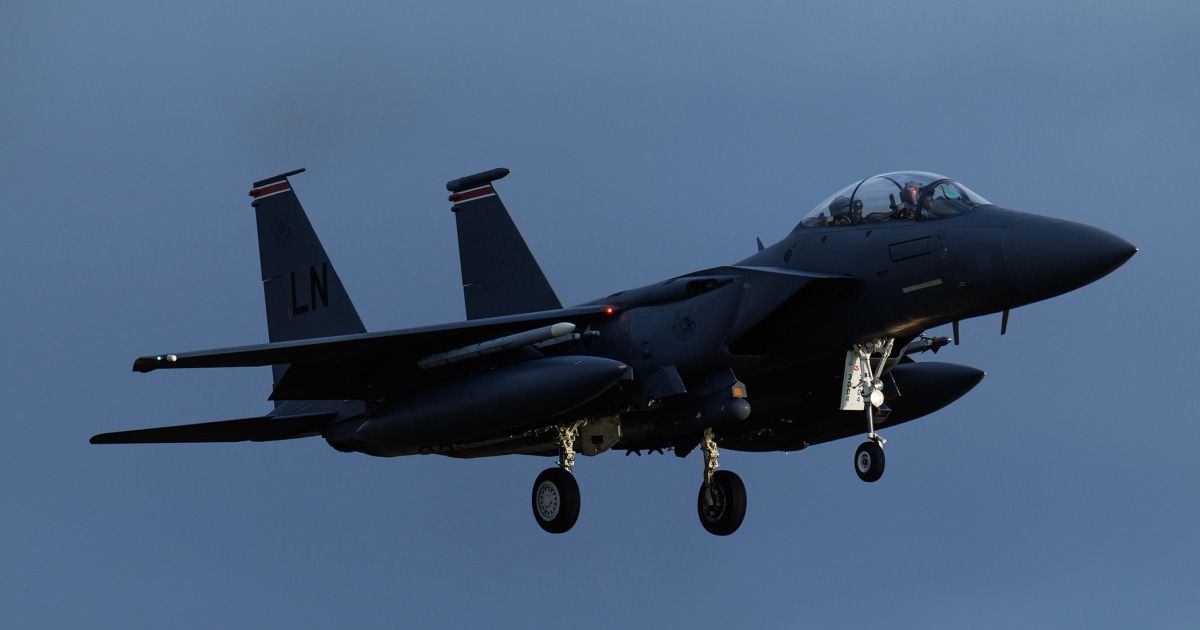
The recent attrition of United States Air Force (USAF) F-15E Strike Eagles over Kuwait and Iran signals a pivotal inflection point in regional air dominance. This sequence of losses exposes a volatile intersection of tactical friction and the rapid proliferation of advanced Chinese military hardware within adversarial arsenals.
Command and Control Failures: The Kuwaiti Incident
On March 2, the destruction of three F-15E platforms by Kuwaiti air defenses underscored critical vulnerabilities in coalition Identification Friend or Foe (IFF) protocols. Amidst large-scale Iranian kinetic activity, a failure in integrated command and control (C2) led to the catastrophic misidentification of high-value assets by local allies. While the survival of all six crew members validates current egress technology, the incident highlights the inherent risks of operating in high-density, multi-actor combat zones where technical interoperability remains fragmented.
Technological Shift: Chinese MANPADS and Stealth Detection
The subsequent shootdown on April 3 over Iranian territory marks the first time in decades a US fighter has been downed by enemy fire. Intelligence confirms the deployment of Chinese-manufactured Man-Portable Air-Defense Systems (MANPADS), introducing a destabilizing element into the regional balance of power. Furthermore, the integration of Chinese long-range early-warning radar systems specifically designed for stealth detection suggests a concentrated effort to neutralize the technological parity previously enjoyed by fourth-generation US assets.
CSAR Challenges in Contested Environments
The Combat Search and Rescue (CSAR) operation following the Iranian shootdown illustrates the increasing difficulty of personnel recovery within sophisticated Anti-Access/Area Denial (A2/AD) envelopes. The extended extraction timeline for the weapons systems officer and the engagement of recovery aircraft by Iranian forces demonstrate the operational friction introduced by modern integrated air defense systems (IADS). These challenges necessitate a re-evaluation of recovery doctrine in peer-contested theaters.
Strategic Re-alignment and Force Posture
The convergence of Chinese technology and Iranian operational capacity complicates the Trump administration’s diplomatic leverage. Beijing’s dual-track approach—acting as a potential mediator while simultaneously supplying advanced interdiction hardware—undermines regional stability. For the USAF, the loss of four multi-role fighters in a 30-day window may accelerate the transition from legacy platforms to low-observable (stealth) and unmanned systems better suited for high-threat environments.
Conclusion: The End of Uncontested Dominance
The survival of a single pilot through two separate shootdowns is a tactical miracle that masks a strategic warning. The era of uncontested US air dominance in the Middle East has transitioned into an era of asymmetric technological competition. Moving forward, the US must address the closing technological gap and the increasing lethality of proliferated Chinese systems to maintain its strategic advantage.